Epsom and Ewell Times

Current Front Page

ISSN, LDRS and IMPRESS logos

Surrey asbestos pay-out to Epsom caretaker’s family

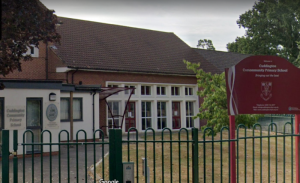
Cuddington Primary school

The family of a former Epsom school caretaker has paid tribute to an ‘amazing’ husband and dad after lawyers recently secured them a settlement in connection with his asbestos-related cancer death.

Colin Bradley, was diagnosed with mesothelioma, a cancer of the lining of the lung associated with exposure to asbestos, often decades previously.

Following his diagnosis, Colin, from Epsom, instructed asbestos-related disease specialists at Irwin Mitchell to investigate his illness and help him access the specialist treatment and care he required. However, he died aged 75 before he could see his case concluded.

The case was continued by Colin’s son Darren Bradley, 53, in his dad’s memory. His legal team has now secured a significant settlement from Surrey County Council in connection with Colin’s mesothelioma.

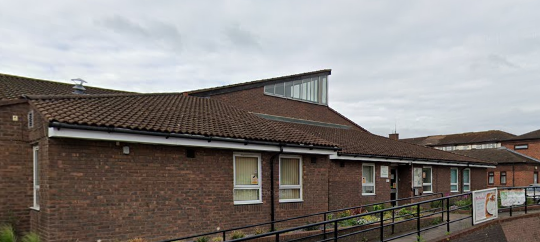
Colin was employed by the local authority as a caretaker at Cuddington County First School from 1976 to 2003. The school is now Cuddington Primary School, run by the Howard Partnership Trust, who were not involved in the case against Surrey County Council – the defendant in the claim.

Surrey County Council admitted that the exposure Colin had to asbestos dust should not have happened, and conceded liability in his claim.

For this year’s Workers’ Memorial Day of 28 April, Darren joined the legal team to warn people of the ongoing danger posed by asbestos and to pay tribute to an ‘amazing’ dad who was taken from his family due to exposure to the hazardous substance.

Paul Ramsay, the asbestos-related disease specialist supporting Darren and his family, said: “The past few years have been incredibly difficult for Darren and his family. To face the distress of Colin’s diagnosis and declining health due to mesothelioma has taken its toll on all of them.

“Colin was determined to get at the truth of his asbestos exposure and while nothing can bring Colin back to his family, the conclusion of the case and settlement gives them some closure and the answers they were looking for.

“However, Colin’s death is also a stark reminder of the dangers still posed by asbestos, including in public buildings. While many people associate the use of asbestos with heavy industry its use was much more widespread, including in schools, hospitals, leisure centres and offices.

“Our own research shows that the presence of asbestos in public buildings, including schools continues to be a real concern throughout the country. In speaking out, Colin’s family hope to make others aware of the risks of this material. This year’s Workers’ Memorial Day is an opportunity to remember workers like Colin and pause to reflect and remember all those who have been lost.”

Before his death Colin believed he had been exposed to asbestos in the boiler room and various service areas whilst working at the school.

Colin had always been in good health and did not drink alcohol or smoke but began to feel unwell in August 2020, with a loss of energy and appetite.

After consulting his GP and being sent for tests, mesothelioma was diagnosed in December 2020. Colin began chemotherapy on 13 January, 2021, but his condition continued to deteriorate. He died six months after his diagnosis, on 22 June 2021.

Colin was married to Lorraine Bradley, 65, who is step-mum to Colin’s sons, Darren, Mark and Simon Bradley.

Darren said: “All of our lives changed the day of dad’s diagnosis. As he’d always led such an active and healthy lifestyle, it was hard to accept anything so serious could be wrong. The speed his illness progressed shocked us all.

“Dad was the central figure in our family, always there encouraging, supporting and looking after us all, even long into our own adult lives.  His loss has left a huge void – and it is especially upsetting to see Lorraine left widowed and alone when they still had so much to look forward to in their retirement – but I take some comfort knowing that he would have been proud that we secured an admission of liability from his former employer.

“It’s hard to imagine you could come across such a dangerous substance in a school environment and it’s shocking to think it could still be there in other schools, posing a risk to others.

“I hope that by speaking about my amazing dad, we can reflect on how much we miss him every day, but also warn others of the dangers that still exist by coming into contact with asbestos. If we can help keep another family together or help make the argument for asbestos removal, dad’s death won’t have been in vain.”

Workers’ Memorial Day on 28 April remembers those who have died as a result of their employment, and campaigns to improve health and safety standards in the workplace and increase protection for employees.

Research undertaken by Irwin Mitchell suggests more than 4,500 public buildings across 20 of the UK’s largest local authorities still contain asbestos, averaging at 225 buildings per authority.


Ultra-sound school kids

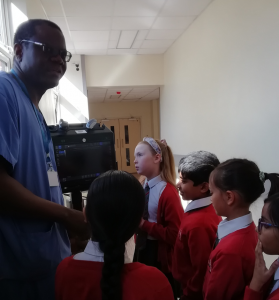
Dr Osagie and Ewell Grove school children with ultra sound

Youngsters at Ewell Grove Primary and Nursery School have done it again. Back in the testing times of Covid during 2021, classes decided to organise their own entertainment programme to raise money for Epsom Medical Equipment Fund (EMEF), the charity launched in 1979 to help Epsom General Hospital. 

This was the start needed to launch an appeal for the GE Ultrasound Scanner required by the Labour Ward theatre in Maternity at Epsom. With their parents backing them, they succeeded in raising nearly £1,000. 

Last year they decided to repeat the feat – this time they brought a magnificent £1,132 which started the appeal off with a flying start.

This week the school was invited to present the GE Ultrasound scanner to Dr. Dickson Osagie. The school set the children a project to decide who would represent the school. There were eight lucky winners who visited the hospital with headteacher Mrs Kate Keane. “They were excited to learn the function of the Ultrasound scanner and how it works,” said Mrs Keane.

Dr Osagie added “We were very lucky to have an ultrasound donated to us by EMEF. It is a £27,500 piece of equipment. The Labour Ward theatre did not have its own dedicated ultrasound for the anaesthetic team to use. Donating this machine has gone a long way in improving the care we give to pregnant women in the hospital as it will help us to be able to put in difficult cannulas, also when epidural for pain relief is difficult to perform, the ultrasound helps make this easier.“ 


Excellence on ageing

Group of old people

Between the two censuses of 2011 and 2021 the over 65 population of Epsom and Ewell increased by 16.1% to a total of about 14,670. About 18% of the total Borough population of about 81,000. As of 2021, Epsom and Ewell is the 12th most densely populated of the South East’s 64 local authority areas, with around 17 people living on each football pitch-sized area of land. Surrey University is doing something about ageism.

Combatting ageism and promoting the interests of older people through scientific research is crucial, particularly as a response to the discriminatory treatment they faced during the pandemic, according to the Director of the University of Surrey’s new Centre of Excellence on Ageing. 

The University of Surrey’s new centre is in partnership with the Global Initiative on Ageing (GIA), which operates under the auspices of the United Nations. The Centre was formally launched on 26 April 2023, with the University hosting a formal dinner that brings together notable scholars and stakeholders focused on ageing. This was followed by a one-day showcase on 27 April, celebrating Surrey’s work in areas such as ageing and work, artificial intelligence and ageing, sleep patterns, nutrition, and generational shifts in ageing.  

Professor Max Lu, President and Vice-Chancellor of the University of Surrey, said: 

 “The Surrey community is deeply passionate about improving the standard of wellbeing for our elderly population – this is evidenced in our internationally-recognised research activities in areas such as improving the quality of sleep of individuals living with dementia, improving inclusion of the elderly population in the tourism and hospitality sector, and investigating the mechanisms underlying osteoarthritis and finding ways to treat it. 

“The new Centre of Excellence for Ageing will serve to amplify these efforts, allowing us to understand more and provide genuine solutions that help to enrich the lives of our elderly relatives, friends, and fellow citizens while safeguarding their rights.” 

 More than 1.1 billion people worldwide are over 65 years of age; by 2050, the global population will be more than 2.1 billion.  

GIA’s mission is to support the goals laid out within the UN Decade of Healthy Ageing, and the Sustainable Development Goals (SDGs), by improving the overall standard of living, participation and inclusion of the world’s ageing population. One of GIA’s key implementing partners is the UN’s Institute for Training and Research, UNITAR, which is dedicated to training and capacity building on a whole range of policy-based areas.    

 
Professor Paul A. Townsend, the inaugural Director of the Centre of Excellence on Ageing and Pro-Vice-Chancellor and Executive Dean of the Faculty of Health and Medical Sciences at the University of Surrey, said: 

 “I am incredibly proud to be part of our new Centre of Excellence on Ageing, which is a critical part of a global movement that recognises the need for a better understanding of the life course and ageing. We will focus on processes ranging from preconception through to appreciating the treatment of our elderly population. The pandemic disproportionately affected our seniors, leaving them to face discrimination and a lack of sympathy, with many left in care homes unable to see their families. This new Centre is dedicated to helping older people to benefit from the latest research and greatest advances in science today. They should receive the respect, care and quality of life that they deserve.” 

Silvia Neira, Vice President of GIA, said: 

 “We are thrilled to announce the launch of the Centre of Excellence on Ageing at the University of Surrey. This new initiative will build on the incredible work of the GIA Foundation, expanding our capacity to research and engage with the many intersections of ageing and longevity.” 


The Great Epsom Bike Off raises money for the Children’s Trust

News presenter Nicholas Owen in Epsom supporting Childrens' Trust charity

On Saturday 15th April, Epsom based PR agency, The Oracle Group, and its partner charity, The Children’s Trust, held The Great Epsom Bike Off at The Ashley Centre in Epsom raising an extraordinary figure of nearly £700. Inspired by the agency’s Chief Development Officer, Clare Sanderson, running the London Marathon 2023 to raise vitally-needed funds on Sunday 23rd April, the event saw the two organisations and members of the public cycle the distance of the London to
Brighton Cycle Ride.

Leading multi-service communications agency, The Oracle Group chose The Children’s Trust as one of its charities of the year. The Children’s Trust is the UK’s leading charity for children with brain injury and neurodisability. Based in Tadworth, Surrey, it delivers rehabilitation, education and community services through skilled teams for children, young people and their families.

Throughout the event, volunteers took part in a challenge to cycle 54 miles on two bikes loaned by Pure Gym Epsom, to complete the distance of the London to Brighton Cycle Ride. Journalist and news presenter, Nicholas Owen, who is an ambassador of The Children’s Trust, also attended the event and helped the team reach the target mileage.

Supported by GoEpsom and The Ashley Centre, the event included a wide range of activities for the local community to enjoy including performances by young dancers from local dance school, the Terri-Jayne School of Dance. Visitors also enjoyed face painting by Bee Happy Facepainting, a Meet and Greet with Ashley Bear and The Children’s Trust’s Mascot, and lots of activities available on the children’s crafts table.

A group of children supported by The Children’s Trust came along to the event with their carers and families, enjoying the activities and dance performance. Throughout the day some of the families’ stories were shared on a big screen and a few who had previously been helped by The Childrens Trust also stopped by to enjoy the event.

Partnerships Manager Kat Caddick comments: “We are incredibly grateful to The Oracle Group for organising this brilliant event and to all of the organisations and individuals who have generously given their time and donations. Some of our amazing children and their families had a lovely time and it was a great opportunity to raise awareness of the work we do and why donations are so vital. We would also like to thank Clare for her brave commitment to running the marathon, the dancers from Terri-Jayne’s School of Dance, our face painter and GoEpsom.”

Clare Sanderson, Chief Development Officer at The Oracle Group comments: “We are delighted that this event has been such a success. We have been working hard over the past few months to plan today and couldn’t have done it without the generous donations and help from local businesses. The work that The Children’s Trust does is phenomenal and I am excited (and a bit apprehensive!) to run the marathon for them this weekend. We look forward to continuing our partnership with the charity throughout the year.”

The partnership has already seen The Oracle Group volunteer in The Children’s Trust’s charity shops in Reigate and Redhill, where two teams competed to raise the most money. Over £2,000 was raised on this day and more fundraising plans are in the pipeline for the rest of the year.


Surrey sleep specialists supported

Someone difficulty sleeping

The University of Surrey has been awarded £1.7 million to further research into the sleep and circadian rhythms of people living with dementia.  

Disturbed sleep is a common symptom for people living with dementia, but it is not known how and to what extent sleep disturbance exacerbates the disease. 

Led by Professor Derk-Jan Dijk, the team at Surrey will expand their innovative programme of research that is using new technologies to non-invasively monitor and improve the sleep of dementia sufferers. The research is conducted in close collaboration with Imperial College London and the Surrey and Borders Partnership Trust, as part of the UK Dementia Research Institute (UK DRI)

Professor Derk-Jan Dijk, Director of Surrey Sleep Research Centre (SSRC), said:  

“People living with dementia often have issues with sleep and, often, their memory is seemingly worse after a bad night. Good quality sleep is integral to our cognitive health, and now we need to test whether improving the sleep of those living with dementia will slow down the progression of the condition and preserve an individual’s memory for longer. To assist with this, we have the opportunity to use new technologies to both monitor and potentially improve the sleep of dementia sufferers over an extended period, in a way that is non-intrusive and supportive to people living with dementia and their carers.  

“This award is invaluable in helping us to continue our work and I am grateful to the UK DRI, the Medical Research Council, Alzheimer’s Research UK and Alzheimer’s Society for making this possible.” 

To learn more and ultimately improve the sleep of those living with dementia, researchers are applying digital health technologies that can sense movements and physiological signals of individuals whilst they sleep. This combined with mathematical modelling, machine learning, video analysis of sleep behaviour and molecular biomarker approaches, will yield a comprehensive understanding of the relationship between sleep, circadian rhythms, symptoms and disease progression in people living with dementia.  

Professor Dijk added:  

“A major advantage of the novel digital technologies we’re working with, many of which are contactless, is that they pose very little burden on the participant and can be used to monitor sleep and circadian rhythms in the home environment for weeks, months and years.” 

The Surrey team will also continue to test new interventions to improve sleep. Interventions to be tested include changing brain oscillations through delivery of precisely targeted auditory stimulation during REM sleep (a sleep stage thought to be particular important for brain function) or improving the light environment to boost circadian rhythms. 

Professor Paul Townsend, Pro-Vice-Chancellor and Executive Dean of the Faculty of Health and Medical Sciences at the University of Surrey, said:  

“Congratulations to Professor Dijk and the team of researchers from across the University in securing this fantastic award. This is testament to their hard work and dedication in this field.  

“This year marks 20 years of the Surrey Sleep Research Centre which continues to go from strength to strength and cements our position as a global leader of sleep research.”  

Fiona Carragher, Director of Research and Influencing at Alzheimer’s Society and a Surrey alumni, said:  

“As a founding partner and funder of the UK DRI, we are very proud of what the Institute has achieved since its launch in 2017. We congratulate everyone involved in placing it on the map as a global leader in dementia research and for the great impact it has had so far. This has included critical research into developing new diagnostic tools to ensure people living with dementia receive an early and accurate diagnosis, potentially giving them access to one of the disease-modifying treatments we hope to see emerging from the clinical trials pipeline in the coming years.” 

Surrey University Press Office


A different kind of cutting in Surrey’s NHS?

Robotic surgeon

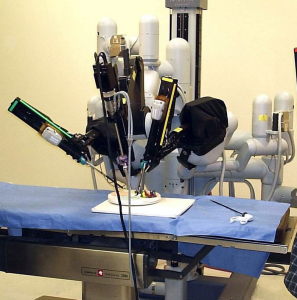
Robots will be performing more operations, including general surgery and gynaecology at a Surrey NHS hospital trust seeking to introduce “significant savings”, a board meeting heard.

The Surrey and Sussex NHS trust held its much delayed annual general meeting on Thursday, March 30, where attendees heard from its chairperson, chief executive, and head of finance.

The afternoon meeting, which board members suggested may have led to its lower than usual attendance, was broken into three sections: a review of the year, a run through of its financial health, and questions from the floor.
Chairperson Richard Shaw led off proceedings explaining the AGM should have taken place in autumn last year but was delayed because of the late filing of its 2021/22 audited accounts.

Chief executive Angela Stevenson told the meeting that the 2021/22 year was heavily influenced by the “significant impact” of covid with “very tired”  staff “having to work under pressure”. This created a backlog the trust was only beginning to get back under control.

She said: “Staff were working with a disease that we didn’t know how to treat. We had high staff absences due to covid or due to family members having covid. Since then we’ve really got to grips with the backlog. We started to work through but at the start of 2022 these numbers were at their peak.”

Post pandemic, she said,  there was a huge increase in patients seeking primary care  compounded by the increase in “baseline complexity” as cases were left untreated during the pandemic.”

Ms Stevenson praised the trust for delivering robotic surgery for the first time and that it would be rolled out further to include general surgery and gynaecology services. They will also be investing in services with a new MRI department on the horizon – including new CT scanners at East Surrey and Crawley hospitals.

The trust also plans to work in partnership with other groups to better manage the health of the population rather than solely focus on its role as an acute hospital.

On finances, the meeting heard how its deficit continues to grow – even  not including the covid years.  It expects to run at a £26.5m deficit  for 2022/23.  This will be the first time the trust has run at a deficit since at least 2013/14 as spending pushes towards £400m a year.

Chief finance officer Paul Simpson said this could be partly attributed to an increase in staff costs. The hospital expects to take on an extra 130 new nurses. He said: “Now we have to recover the growth in costs that has happened and now we are (looking at) a significant savings plan.”

They were, however, quick to say “there should be no reason why we accept any reductions in quality of (care) for patients  and that before any cuts were made there would be full impact assessments on cost improvement plans.”

Image: Nimur at the English-language Wikipedia CC BY-SA 3.0


Surrey’s leader’s life pledge for brain tumour research

Tim Oliver Surrey County Council leader - Surrey Live

Surrey County Council’s leader said his focus “for the rest of his life” will be fulfilling a promise made to his daughter before she died to fundraise for brain tumour research.

Emily Oliver was 21 when she died, 18 months after being diagnosed with a diffuse midline glioma, and after seeking medical advice “from across the world”.

Her father, county council leader Councillor Tim Oliver, said the fund the family set up for her 21st birthday was now nearing £150,000 but vowed to continue to raise awareness and money.

He told the LDRS: “We promised Emily that we would do all that we could. We promised her that we would fundraise for what she wanted, specific research into her type of high grade glioblastoma. Hers was a very, very rare form.

“That is our focus and that will be our focus for the rest of our lives, to raise as much as we can and to find a research team that will look at predominantly her type [of brain tumour].”

Cllr Oliver said brain tumours didn’t get the level of attention or funding as other types of cancer, because the number of cases was not as high, but said they were the biggest cause of cancer death for under 40s.

He said he and his wife, Debi, hoped to find a specific research project in the near future to give the money to. “It’s really important to us that we continue to keep that alive and deliver on that promise to her,” he added.

The council leader also has his sights set on creating a Surrey-wide bereavement service and has been having conversations about it with the chief executive at Surrey Heartlands and Surrey hospices.

He said “pulling together” the different organisations that offer support for both before and after death would help people know where to turn.

Cllr Oliver added: “I think that would be a great thing for people to be able to know where to go.” He also praised the work of the Brain Tumour Charity and the support they give to families on what their journey may look like and understanding what their diagnosis actually meant.

He will take part in the Princess Alice Hospice’s “Talk the Walk” event in April which aims to get men, in particular, to talk about bereavement.

Debi said: “The pain of her loss is with us every minute of every day, but Emily was passionate about fundraising to find a cure for brain tumours, and I absolutely know she would be really pleased that what she had started is being continued.”

Cllr Oliver also called on the government to deliver on its promise of delivering £40million for research into brain tumours.

An inquiry by the All-Party Parliamentary Group on Brain Tumours was launched in 2021, and said that as of January 25 2023, just £15 million had been awarded since June 2018.

For advice and support from the Brain Tumour Charity, you can call its Support and Info Line on 0808 800 0004 or go to the website at: https://www.thebraintumourcharity.org/

Image Tim Oliver credit Surrey Live


Life savers installed across the Borough

defribbiltator in action on man

Epsom & Ewell Borough Council have worked in partnership with national charity Community Heartbeat Trust to install 12 new 24/7 defibrillators across the borough. The project was delivered with funding secured via the Community Infrastructure Levy (CIL).

Defibrillators are designed to be used by members of the public with no previous experience in the event of someone going into cardiac arrest. They can, and do, save lives. The new defibrillators have been installed in the following locations:

  • Market Place, Epsom
  • Ebbisham Centre, Epsom Square, Epsom
  • Town Hall (Rear entrance)
  • Harold Bell Solicitors, 174 Kingston Road, Ewell
  • St John’s Parish Centre, Station Approach, Stoneleigh
  • Auriol Park Café, Salisbury Road, Worcester Park
  • The Parade Dental Practice, 177 Kingston Road, Ewell
  • Ruxley Chemist, Ruxley Lane, Ewell Court
  • Horton Pharmacy, Pelman Way, Epsom
  • Horton Country Park, Horton Lane, Epsom
  • Londis Convenience Store, Hollymoor Lane, Epsom
  • NISA Convenience Store, Ruxley Lane

Councillor Barry Nash, who put forward the CIL bid, said, “After a lot of hard work by all involved, I am so pleased the defibrillator project has now been completed.

“I’d like to thank our partners from the Community Heartbeat Trust who shared their expertise with us, provided and installed all the defibrillators across the borough and will continue to provide a post-rescue counselling service.”

Councillor John Beckett, Chair of the Environment and Safe Communities Committee, added, “You never know when a medical emergency may occur. Time can be extremely limited and having the right equipment on hand will save lives.

“The installation of these 12 new defibrillators will ensure the borough is prepared and our community is safer.”

Image: Evacuationchairs – Own work. CC BY-SA 4.0


Dementia Hub serving Epsom and Ewell

Dementia care

Epsom & Ewell Borough Council have renamed their Dementia Daycare Service the Dementia
Hub – and are using the opportunity to remind those living locally about the fantastic service
the Hub offers for the community.

The Dementia Hub, situated in Sefton Road in Epsom, offers specialist respite daycare for
people living with memory loss and dementia. It offers a safe, friendly environment where
clients can enjoy activities, social interaction and develop skills to improve their quality of life.
The Dementia Hub is part of the Community & Wellbeing Centre, a support hub which offers
social and recreational activities for over 55s. The Community & Wellbeing Centre also
provides services including assisted bathing, a community alarm service, foot clinic, meals at
home, a shopping service and transport from home.

The Dementia Hub’s new name and logo will make it easier for people to find information
about the facility online, as well as helping create a stronger identity for the service.
Councillor Alex Coley, Chair of the Community and Wellbeing Committee, said: “We’re
incredibly proud of the work that the Dementia Hub does to help enrich the lives of people
living with memory loss and dementia, and the lives of their carers too.

Alex Coley
Cllr Coley RA Ruxley Ward Chair Community and Wellbeing Committee

“The specialist team at the Dementia Hub provide a home-from-home environment where
people can take part in memory therapies, gentle exercise, art therapy and more – whilst also
making friends. “Caring for a loved one with dementia or memory loss can be challenging at times. The
Dementia Hub also enables carers to take precious time to rest and recharge – or simply catch
up with essential tasks.”

People who are interested in finding out more about the Dementia Hub or who’d like to book a
free assessment can call 01372 727583 or visit: www.epsom-ewell.gov.uk/dementia-hub


The Dementia Hub is a service offered by Epsom & Ewell Borough Council at the Community & Wellbeing Centre, on Sefton Road in Epsom.
Full and half day sessions are available for people aged 50+ living with memory loss, dementia, confusion due to medical conditions such as a stroke, conditions such as Parkinson’s Disease, and more.
For more information on services offered by Epsom & Ewell Borough Council, visit: https://epsom-ewell.gov.uk/residents/communities-health-and-wellbeing


New hospital programme called “HS2 of hospitals”

Epsom hospital

The government’s hospitals programme has been called the “HS2 of hospitals” as “quite intense” discussions continue about how to take it forward.

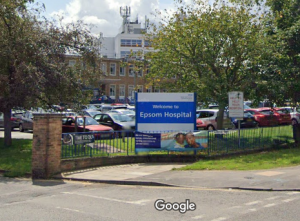
Epsom and St Helier had its plan for a new site agreed by the NHS in 2020, with an original date for opening set at 2025, now pushed back to 2027 “at the earliest”. A health liaison panel at Epsom and Ewell Borough Council heard from James Blythe, managing director at the trust, who said adapting the current buildings to modern healthcare standards was becoming “increasingly difficult year on year”.

The national programme was announced as delivering 40 hospitals by 2030, with Epsom and St Helier one of eight “pathfinder” hospitals due to be at the top of the list, Mr Blythe told the meeting. But he said there were “quite intense discussions” going on at government level about the programme and how to take it forward.
Mr Blythe said: “What the government, the Treasury and the Department [of Health], are working through is basically how do you go about building 40 hospitals? Clearly what don’t you do is say to 40 schemes: ‘Go and design something completely different, go out to the construction market and try and procure it.’

“This has sort of now become the HS2 of hospitals. Let’s think about how we do this as a single scheme. Let’s think about how we do this consistently, how we procure consistently, how we design consistently.”

With St Helier hospital “very evidently crumbling” and problems with buildings at the Epsom site too, the trust plans to build a new specialist emergency care hospital on the old Sutton Hospital site, next to the Royal Marsden Hospital. Mr Blythe said: “We know that if we build a modern hospital to modern standards, we can do better for our patients, including local Epsom residents.”

But he said with the move from one financial year into the next, there were questions about where future works might sit in relation to other capital projects. He added: “Clearly what the construction market can’t take is 40 new hospital schemes trying to do the same thing at the same time.”

The meeting also heard that the trust was expecting feedback on its plans “very soon”, hoping it would then be able to get on with the planning process. Mr Blythe said: “As you can imagine, planning for a hospital which is going on to the land adjacent to Royal Marsden in Belmont in a mature and developed residential area, that planning process will not be insignificant. So we know that that will take some time”

Epsom and Ewell Borough Councillor Liz Frost (Residents’  Association, Woodcote Ward) asked about plans for the new multi-storey car park due to be built at the Epsom site, which was granted planning permission on appeal in December. She said she received a lot of complaints about roads surrounding the hospital being clogged up as people queued for spaces.

Cllr Frost said: “I have in the past spent quite a lot of time at Epsom Hospital when car parking has been horrendous and everybody was turning up late for clinics because they couldn’t actually get in.”

Mr Blythe said work should start in the autumn to build the new car park, and that options being looked at to minimise disruption during the nine-month build included possible park and ride schemes and using town centre car parks.

Saying he would bring back a plan later in the year for how the project would be handled, Mr Blythe also said the “flip side” was parking should be “substantially better once it’s built”.

He added: “We’re hoping that by [building the new car park] we will prevent some of the build-up of traffic from backing up into the town centre, which has sadly been a feature of the hospital for the last few years.”

Related reports:

Pay black hole takes £2.2M Epsom Hospital funds

Epsom Hospital multi-storey car park rises

Epsom Hospital’s multi storey carpark wrong on many levels?

Epsom Hospital car park appeal

Local hospital’s building woes