Epsom and Ewell Times

26th March 2026 weekly

ISSN, LDRS and IMPRESS logos

Leatherhead to get new cinema and bowling alley?

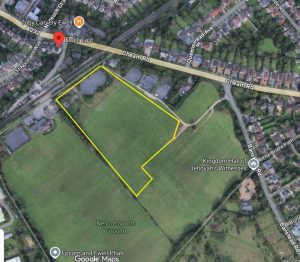
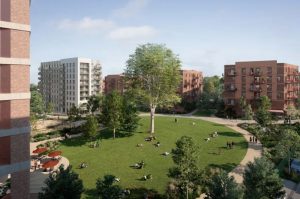
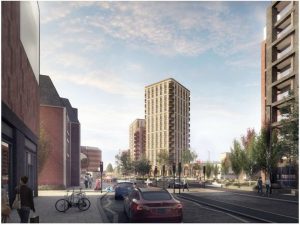
Swan Centre Proposal from the Leret Partnership (image MVDC)

A new cinema or bowling alley could “breathe new life” into Leatherhead as part of major regeneration plans aimed at “reversing the trend of brands leaving the town”. Plans for the high street, Swan Centre and Bull Hill will be put on display this week with people invited to have their say on the proposals that will be among the biggest changes to the town in years. Mole Valley District Council and Kier Property are working together on the project and have said they were “excited to share” the new layouts that feature “significant updates” based on feedback from 2024.

A spokesperson for the project said: “The proposals… aim to breathe new life into the Swan Centre and Leatherhead High Street. This will be through investment in upgrades to the look and feel of the centre. We are also proposing to open up the main entrance to provide specific units to bring exciting and quality chains and independent restaurants and operators to Leatherhead.” The new layout will also include what is being described as a ‘cultural building’ on the first floor ‘to potentially include a cinema, bowling, activity centre to provide a great new entertainment offering in the town centre.

They added: “This investment will be a catalyst to improve the quality and variety of offer in both the Swan Centre and Leatherhead High Street, reversing the trend of brands leaving the town and shop closures.” To take the development further, the council and Kier Property – working together as a joint venture called The Leret Partnership, is calling on residents to give their views on the updated proposals.

Among the updates and refinements are an increase in public green space and new building layout in Bull Hill with two drop-in sessions being held this week to give people the opportunity to take a closer look. Both sessions will take place in the former Clinton Cards site within the Swan Centre. The first will run from 2pm to 8pm on Thursday, March 13, with the second taking place on Saturday, March 15 from 10am to 4pm. They are also being hosted on the Leret Partnership’s website.

Image: Swan Centre Proposal from the Leret Partnership (MVDC)

Related reports:

River Mole to attract visitors to Leatherhead?

Leatherhead town on the way up?


Dorking’s Green Gap narrowing

Taylor Wimpey plans for 144 homes outside Dorking (image Taylor Wimpey/ Mole Valley Planning Portal)

Homes will be built on the former green belt gateway into Dorking – forever changing the character of the picturesque town.

Plans to turn more than eight hectares on the edge of the Surrey Hills into housing were approved on appeal in 2023 but details of what it would look like were only given the go-ahead last week. The decision was made despite many at the Wednesday, March 5, meeting airing concerns over traffic on the “poor” A25 and the impact of school coaches being pushed into the town’s one-way system. Councillors were hamstrung in their efforts to mitigate against the impact of the added traffic following the appeal ruling and could only vote on the plan’s layout.

Developers Taylor Wimpey, however, said the scheme, which would include 72 affordable homes, was an “exciting scheme for Dorking.” Speaking on behalf of the application was James Newton. He said the proposals bring “much-needed homes for the district” with “77 per cent of the mix being one to three-bedroom properties.” He added: “The affordable tenures include social and affordable rent, shared ownership and first homes and the mix has been agreed with the housing services team. The design has been amended over time with input from heritage officers… and takes cues from the Dorking vernacular and the wider area.” Homes, he said, will be sustainable with air source pumps and solar panels while the project as a whole would bring in more than £3million into Mole Valley District Council through community infrastructure payments. He finished: “This will be an exciting scheme for Dorking.”

The L-shaped site will take up two fields west of Dorking. The land was originally in the green belt when the decision to allow the homes was granted on appeal. Since then, it has been put into Mole Valley District Council’s local plan as a site designated for development. As well as the 144 homes, there will also be parking for ​​The Priory Secondary School, including staff and coaches. Officers told the meeting they were happy with the project and that it would not harm the character of the area – with red tiling used to help it blend in with existing homes in the town.

Speaking against the plan was Nicholas Tinker, who highlighted the 60 letters of objection. He said: “144 dwellings will create, at least, 144 additional vehicles. More realistically, double that figure, most people leave for work at the same time every morning. The congestion on the Westcott Road and around town will be totally unacceptable.” Air quality, he said, would degenerate and reach dangerous levels for schoolchildren, with the coach drop-off point creating a particular problem and forcing them to use the one-way system. He said: “It’s going to be absolute chaos.”

Cllr Abhiram Magesh (Liberal Democrat; Mickleham, Westcott and Okewood) said: “I’m generally pro-affordable housing. Housing means more people, more people means more council tax for front-line services, more customers for local business, however, I’m quite torn on this particular development because I do feel it’s lacking in a number of ways. We’ve discussed quite adequately in the past that the highways assessment is quite lacking. We all know the trouble on the A25 – especially at peak time. I’m frankly torn about this because its layout is effectively a cul-de-sac which I think is generally quite poor planning strategy. So while I laud the affordable housing commitment, I’m extremely worried for a lot of my constituents in Westcott and Abinger who have to essentially travel every single day to get any form of amenity in Dorking. The A25 is of a poor quality as it is right now, so I’m not sure how at minimum 144 extra cars – how the road is going to be able to handle that.”

The designs and layout were approved by eight votes in favour, with two against and three abstentions.

Taylor Wimpey plans for 144 homes outside Dorking (image Taylor Wimpey/ Mole Valley Planning Portal)


Surrey’s fire ruined mansion restoration plan

The Marble Hall could be used to hold events for the community. (Credit: Allies and Morrison/ National Trust)

Plans to restore an 18th century house have been waved through. The National Trust has now revealed its designs to restore and refurbish Clandon Park House to celebrate the rich history and legacy wrapped around the building.

The Grade I listed home near Guildford was considered an architectural masterpiece when it was built 200 years ago. But Clandon Park House was tragically gutted by an accidental fire in 2015, destroying the roof and leaving most of the interior with blackened and scorched brickwork.

Illustrative designs show the trust’s ambitions for Clandon Park House to become a new national treasure and a defining cultural hub, with space for workshops and social events. Guildford Borough Council unanimously approved the plans last week.

Restoring the inside of the mansion house, the scheme will refurbish and replace windows and doors, reinstating the stairs as well as providing a new accessible lift from the basement to the roof. Generous walkways will be carved out in the mansion house and the scheme promises to conserve historic collections, redisplaying them in creative ways.

Alterations to the basement will provide a cafe, toilets and other back of house bits. The project will restore the exterior of the building to appear as it did before it was engulfed by the fire, planning documents state.

Image: The Marble Hall could be used to hold events for the community. (Credit: Allies and Morrison/ National Trust)


Box Hill keeps its pie and mash

Porsha Pie and Mash van May 23 google

The iconic Surrey Hills will keep its classic English pie and mash shop after plans were approved for the takeaway in Box Hill. Posha’s Pie and Mash Shop, in the rural Box Hill Road, Tadworth, was given the go-ahead at the second time of asking despite traffic officers again recommending its refusal. Surrey Highways said in January that the shop should be refused permission over concerns of cars reversing onto the main road, and the application was deferred to allow the owners to make the needed changes.

The new plan removed the on-site parking that had caused concern, but Surrey Highways was still unimpressed, saying cars would now park in the nearby streets, clogging roads and pavements. Councillors disagreed and thought the shop should be encouraged as it would bring trade to the area as well as much-needed food options. Councillor Paul Potter (Liberal Democrat; Brockham, Betchworth, Buckland Box Hill and Headley) said the parking and traffic issues were overstated given the generally low levels of cars using Box Hill Road. He said: “(The pie and mash) is a vital part for a lot of people up there. For a lot of residents in the mobile homes, they walk there, they don’t drive – there are hundreds of mobile homes up there. It’s a vital thing for the community.”

Cllr Simon Bud (Conservative; Brockham, Betchworth, Buckland Box Hill and Headley) added: “It’s a rural business in a rural area, that’s what this is. They’re trying something quite different from what you normally see, and how good that is to see in a rural area on a rural road. How refreshing to see a car-free development. I cycle here, and if more of us did, we wouldn’t have this problem, would we? It’s really great to see a business that’s going forward and making it car-free.”

The site has been used as a pie and mash takeaway with a seating area since August 2023. The application was to formally change its use from the old dog grooming parlour. The Wednesday, March 5 meeting of Mole Valley District Council heard from one speaker against the proposal. She told the meeting that Porsha’s advertised on social media, which would draw in people from outside Box Hill. She said: “Cars park up on the pavement outside our house, which is the only pavement by the pie and mash. Indiscriminate parking narrows the road and interferes with the free flow of traffic and prohibits pedestrians from using the pavement. We also have a lot of teenagers who do their Duke of Edinburgh awards and walk along where the cars are parked with two wheels on the pavement. It is dangerous.”

The plans were ultimately passed with the unanimous backing of the committee.

Image – Credit Google Street view May 2023 the business’s food van


The Battle of Waterloo Road development

Overlooking of proposed Waterloo development

The Epsom and Ewell Borough Council Planning Committee has unanimously rejected a controversial proposal for a 12-unit residential development on Waterloo Road. Councillors cited concerns over poor design, excessive height, a lack of affordable housing, and the absence of parking provision.

The meeting, held on 6th March 2025, was chaired by Councillor Steven McCormick (RA Woodocte and Langley)/The application sought outline planning permission to demolish an existing two-storey building and replace it with a four-storey block containing seven two-bedroom flats and five one-bedroom flats.

However, councillors raised significant objections, particularly regarding the design and scale of the project. The Planning Officer explained that while an earlier proposal for a smaller nine-unit scheme had been approved on appeal, this new application was substantially different. “The proposal would maximise the number of units on the site to the detriment of the local character of the area,” he stated.

Councillor Bernie Muir (Conservative Horton) was critical of the lack of parking provision, arguing that the development failed to consider residents with mobility issues. “More and more homes are becoming a complete barrier to people because they need a car to actually exist,” she said.

Councillor Jan Mason (RA Ruxley) praised the planning officers’ report, calling it “one of the best” she had seen in her 20 years as a councillor. She also criticised the design, saying: “You either make something outstanding so people say ‘wow’, or you ensure it blends in so well that it is unobtrusive. This does neither.”

Another major point of contention was the failure to meet the council’s affordable housing policy. Under planning regulations, 20% of developments of this scale should be designated as affordable housing, yet the applicant had only proposed 5%. Councillor Chris Watson (RA Ewell Court) called this a “cynical application”, adding: “Anyone can pick up the policy and read it. There is no excuse for submitting something that so blatantly disregards our requirements.”

Concerns were also raised about the impact on neighbouring properties. The proposed development would result in significant overlooking, overshadowing, and loss of privacy for nearby homes. It also failed to meet national space standards for several of the proposed flats.

Following the discussion, Councillor Neil Dallen (RA Town) proposed that the application be refused, seconded by Councillor Muir. The committee then voted unanimously in favour of rejection.

Councillor Humphrey Reynolds (RA West Ewell) remarked on the pattern of previous applications for the site being refused, noting that even successful appeals had not led to development. “Clearly, the developers know this is not right,” he said.

The applicant now has the option to revise the scheme and submit a new proposal or appeal the decision.

Image: EEBC papers showing overlooking of proposed 4 storey building over neighbouring properties


An Epsom 17th century pub to become supermarket?

View outside the Lava Lounger, and former White Horse Pub, in Epsom. (Credit: Sainsbury\'s/ Epsom and Ewell Planning Documents)

A 17th century pub could be transformed into a Sainsbury’s Local. Plans have been submitted to refurbish the Grade II-listed drinking establishment, on Dorking Road in Epsom, to a convenience store.

If approved, a Sainsbury’s convenience store would take over the ground floor of the historic building and install an ATM machine outside. Plans also include resurfacing and reducing the car park to just 13 spaces, four of which will be reserved for delivery vehicles. 

The former White Horse Public House was converted into Lava Lounge, a restaurant and cocktail bar, in 2020. Lava Lounge closed in January 2024, having been on the market for at least two years according to planning documents. 

Used for centuries for drinking, the former purpose of the pub is no longer viable according to Sainsbury’s. “Given the wealth of drinking establishments in Epsom, not just in the town centre, it is unlikely that the loss of a facility which has already been closed for a year could be considered a detriment,” the application said. 

Serving a specific catchment area, the proposed Sainsbury’s is said to be conveniently located for nearby residents, visitors and employees at Epsom hospital as well as passing trade. The development will also create around 20 new jobs, a mixture of full and part-time.

“Very little appears to have survived” from the 17th-18th century on the ground floor, planning documents state, perhaps only the thick walls around the chimney breasts. The timber framed structure at first floor level appears to be correctly placed for a historic building but, the report says, the timbers appear to be modern.

Sainsbury’s heritage statement states the proposals would have a “neutral effect” on the special interest of a listed building. The report says the vast majority of the building’s internal heritage value has been lost from modern adaptations. 

Planning documents read: “The core of the building has a hipped slate roof and is of timber framed construction, some of which is evidently modern, but which may form the altered remains of the 17th or 18th century building referred to in the Listing description. The pub has a parapeted brick frontage which likely dates from the middle of the 19th century.”

The scheme proposes removing the replacement of the Victorian-style sash window, as well as reconfiguring and refurbishing the insides of the former pub. Demolishing the covered yard at the back of the site, Sainsbury’s plans to build an extension to form a ‘back of house’ for the convenience store. 

Minor modifications to the historic part of the building are needed to use the original pub building for the back office part of the shop. The application clarifies the historic part of the building is not being used for a sales area.

Neighbours can comment on the application on Epsom and Ewell Borough Council’s website. No decision date has been listed yet.

View outside the Lava Lounge, and former White Horse Pub, in Epsom. (Credit: Sainsbury\’s/ Epsom and Ewell Planning Documents)


Councillor thinks new Ewell homes refusal is batty

9-10 Kirby Close in Ewell, where the proposed development would be built. (Credit: Google Street View)

Plans for four new homes in Ewell have been refused over bats potentially living in the two bungalows. Although one survey was done, councillors could not rule out there were definitely no bats in the buildings. 

The scheme involved demolishing two semi-detached bungalows on Kirby Close, and erecting four, 3-bedroom homes in a residential Ewell suburb. The two-storey houses would have two car parking spaces per house with associated landscaping, according to the report. 

However, the applicant had not carried out a phase 2 survey establishing if there were any bats in the bungalow. Officers “could not be satisfied” the demolition of the building did not pose a risk to protected species and its habitat. Members rejected the application at an Epsom and Ewell Borough Planning Committee meeting on February 13. 

Cllr Julian Freeman (LibDem College) said: “This smacks of desperation to find some reason for turning down an application for housing that we desperately need in this borough.” An increasingly frustrated Cllr Freeman reminded the committee that the borough has a “housing crisis”. 

The Liberal Democrat member argued that you would know if bats are on the site as “you would be sweeping up the mess on a fairly regular basis”. He said: “If [the council]  is going to refuse an application because there might be bats then, surely you need some evidence of that.” 

But Cllr Steven McCormick, (RA Woodcote and Langley) chairing the meeting, explained the plans have to be turned down because there is no evidence that bats are not in the two bungalows. Councils have a legal requirement for bat surveys to ensure the mammals are not harmed in the demolition or construction of buildings.

The potential harm to protected species is the only reason why the risks would outweigh the benefits of delivering two houses, planning officers told the committee as they recommended the application for refusal.

If the applicant was to appeal the decision, members asked whether the council would be “laughed at” for refusing on the grounds there was no evidence that bats are non-existent on the site. However, officers told the committee that an application on Reigate Road, which was refused for a lack of satisfactory bat survey, was dismissed at appeal by the Planning Inspector.

Councillors questioned whether they could approve the application with the condition of a further bat survey, but officers said National England guidance is it has to be known early on if bats are in the building before approval could go ahead. The bungalows cannot be demolished until the council knows whether or not bats are there.

Cllr Clive Woodbridge (RA Ewell Village) said he was happy to approve it once the second bat survey is done as he couldn’t see “any significant or demonstrable harm that outweighs the benefit of two additional dwellings”.

A previous similar application for the ‘principle of development’ was rejected in July 2024 on the basis the housing proposal was too dense to match the character of the street. This is currently at appeal.

Image: 9-10 Kirby Close in Ewell, where the proposed development would be built. (Credit: Google Street View)


Mole Valley setting a green belt development trend?

Plans for 200 homes in Little Bookham (image Thakeham)

Up to 200 new homes will be built on former green belt land despite fears they could overwhelm the already strained sewage system. Mole Valley District Council’s planning committee approved developer Thakeham’s vision for the 27-hectare site off Little Bookham Street on Wednesday, February 5. As well as the 200 homes, the plans will feature a community building, Gypsy and Traveller pitches, and public open space that the developers said would also open access to nearby ponds. Forty per cent of the homes would be affordable.

The site has been identified for development by the council’s local plan, but the application had drawn more than 300 objections. Residents speaking at the meeting raised concerns about raw sewage, as well as the impact on local children being pushed out of their school’s catchment area. Thames Water, however, raised no objections. Christine Milstead said: “Our green belt is definitely not Angela Rayner’s gray belt. We think this development will cause harm to the green belt and protected habitats. All residents have objected to surface water flooding, and there are springs all over this site. For years, residents have been pumping water off their patios to prevent their houses from flooding. When you get a lot of rain, water does not drain through permeable surfaces. Will the proposed infrastructure capture water from the rear of new properties, or will it just run down to Little Bookham Street?”

Speaking on behalf of the plans, Tristan Robinson, Thakeham’s director of external affairs, said Mole Valley was the fourth least affordable place to live in the country. He highlighted young couples struggling to afford housing and the 680 households on the waiting list. Despite the plans being voted through—by eight in favour, three against, and one abstention—Councillor Joanna Slater (Conservative; Leatherhead South) cautioned against setting a precedent for developing beyond what was laid out in the council’s local plan for green belt. Cllr Paul Kennedy (Liberal Democrats: Bookham East and Eastwick Park) also urged the committee to heed residents and environmental groups calling for the protection of the “precious unspoiled countryside.”

The new homes will be net carbon zero and feature a mix of one to four-bedroom properties. The developers aim to create 45 acres of open space and a new country park accessible to the wider community. Mr Robinson said: “After undertaking a comprehensive public consultation process for Land North West of Preston Farm, we are pleased to receive backing from Mole Valley District Council. The scheme includes 40 per cent affordable housing—something urgently needed locally—and significant new public open spaces for everyone to enjoy.”

Plans for 200 homes in Little Bookham (image Thakeham)


Planning a house extension in Epsom and Ewell? A hard lesson from Waverley

Steve Dally (right) and his wife Caroline. (Credit: Steve Dally)

A man who was charged £70,000 by a Surrey council said it was a “watershed moment” to be given recognition of his struggle and the right to appeal. A couple were slammed with a hefty fee for a home extension and given no opportunity to argue their case.

Community Infrastructure Levy (CIL) is a legal charge designed to get developers to financially contribute towards essential infrastructure. While self-builders and home extensions are exempt from CIL payments, in Waverley applicants must first complete the necessary paperwork for this.

But with residents being unaware they need to apply for an exemption, or due to paperwork errors, some people have unexpectedly had to face extortionate CIL charges and terrifying enforcement action.

Steve and Caroline Dally were granted planning consent to demolish and replace an existing home extension that was exempt from CIL. However, after seeking permission to make some minor amendments (for which consent was granted) they suddenly and unexpectedly faced a £70,000 CIL charge, with no appeal.

Unlike in criminal cases, the paperwork and administrative processes of CIL means people could accidentally face charges between £40,000- £235,000 and have no right for their case to be reconsidered.

They pursue you relentlessly to get the money out of you,” said Steve Dally, “There’s no compassion, there’s no understanding.” He explained the council told him he had 60 days to pay the £70k or his home in Godalming was at risk of being re-possessed and he would go to prison. As this was the start of the Covid lockdown in 2020, he feared the worst.

The 65-year-old has been forced to increase the mortgage on his home by £400 per month, pending full repayment when he turns 70. He may have no choice but to sell the home he has worked his entire life for, just to settle this debt. “It’s traumatic,” Mr Dally said. “You lose sleep and end up crying your eyes out- what can you do about it?”

Fighting the council since 2020, Mr Dally had approached councillors and the local MP and the ombudsman to change the CIL charge levied against him and his wife. But none of them could ultimately remove the fee.

On Tuesday, January 28, Waverley Borough Council agreed to ensure the public have the right to appeal the CIL charges. Mr Dally described it as a “watershed” moment as it was the “first time that someone was prepared to stand up and fight for you”.

Speaking out for the victims, Councillor Lauren Atkins said the “Life-changing unintentional impacts of CIL have resulted in debt, depression and years of feeling unheard and being unanswered.” She called for the council to collaborate and seize the “opportunity to see justice for those wronged”.

But now, householders previously subject to CIL liability can request a discretionary review by Waverley Borough Council within a window from 1 June 2025 to 31 May 2026. The council agreed to have a discretionary review of CIL payments for householder applications and will consider refunds of CIL previously collected.

Mr Dally said the change did not guarantee victims were going to get their money back. “It’s a long way to go yet,” he said, arguing it depends on how “compassionate” the reviewer will be of people’s cases. “There will be a lot of people in Surrey that will be impacted by the same and will not know which way to turn.” he said.

Speaking to the Local Democracy Reporting Service (LDRS), Mr Dally reeled off other people who had been found foul of the CIL charge on their residential properties. He said one man was charged £200k and a wife looking after her husband with dementia was fined £40k.

Councillor Jane Austin said: “We see the unintended consequence of this aspect of s legislation has caused great financial and emotional distress to people who have unwittingly broken rules they didn’t know existed.”

She acknowledged Waverley council is, going forward, trying to ensure householders are made aware of CIL and its exemption paperwork. Cllr Austin added: “But we need to right this wrong for those who have already had to make these huge payments.”

Leader of the council, Cllr Paul Follows, said work is already being done to investigate the CIL levy issues but welcomed the cross-party collaboration. The CIL levies will be reviewed as part of the council’s Local Plan process, according to Cllr Follows.

“I hope the poor folk who are being pestered by Waverley to pay these charges will be left alone until we have resolved this,” said Cllr Michael Goodridge. He raised concern that he has been told everyone has been looking at the issue for a while, but it could take a lot more time in the Local Plan.

The Liberal Democrat council leader also added the CIL regulations was something his party had inherited from the previous administration. Members also broadly agreed more education of the CIL process was needed, both for councillors and the public.

Emily Dalton

Steve Dally (right) and his wife Caroline. (Credit: Steve Dally)


Community Infrastructure Levy (CIL) in Epsom and Ewell Borough

The Community Infrastructure Levy (CIL) is a charge imposed by Epsom and Ewell Borough Council on certain types of new development. It helps fund local infrastructure, such as schools, healthcare facilities, and transport improvements.

Does CIL Apply to Single Residential Developments or Home Extensions?

When CIL is Payable

CIL applies if your project involves:

  • New dwellings – Any development that creates a new residential unit is liable for CIL, regardless of size.
  • Large extensions – If an extension or new build increases the gross internal floor area by 100 square meters or more, CIL applies.

When CIL is NOT Payable

You may not have to pay CIL if:

  • Your project adds less than 100 square meters of additional internal floor space (unless it creates a new dwelling).
  • You qualify for exemptions or reliefs (see below).

CIL Exemptions and Reliefs

Some developments may be exempt from CIL, including:

  • Self-build homes – If you’re constructing your own home, you can apply for a self-build exemption.
  • Residential annexes or extensions – If the work is for your own use and meets specific criteria, it may be exempt.
  • Affordable housing – Developments that meet affordable housing requirements are exempt.

Important: You must apply for exemptions before starting construction. Failure to do so may result in the full CIL charge becoming payable.

How is CIL Calculated?

CIL is based on the net increase in gross internal floor area (GIA) and is subject to annual indexation.

Current Residential CIL Rate (2025): £204.50 per square meter
(Source: Epsom & Ewell Borough Council)

CIL Process & Next Steps

If your project is subject to CIL, follow these steps:

  1. Submit a Planning Application – Include the required CIL forms when submitting your application.
  2. Complete an Assumption of Liability Form – Before starting work, submit this to the Council.
  3. Submit a Commencement Notice – Notify the Council before construction begins.
  4. Receive and Pay Your CIL Charge – Once the Council issues a Demand Notice, make the payment as required.

More Information & Guidance

For full details, access CIL forms, and check the latest updates, visit:
Epsom & Ewell Borough Council CIL Guidance

Sam Jones


New homes planned for Ashtead

Wates Development’s outline plans for up to 270 homes near the M25 in Ashstead (image Wates Development)

Hundreds of new homes could be built in Ashtead if newly submitted plans to Mole Valley District Council are approved. Wates Developments and its partners, Vistry Group, have submitted outline plans for up to 270 homes, of which about 40 per cent will be affordable.

The proposals, which still need to go through the planning process, also include a community centre that could become a children’s nursery. Nearby schools are said to be under-subscribed, with vacancy rates expected to grow in some areas, according to planning documents submitted to the council. The documents suggest that the new homes could help boost pupil numbers in local schools.

John Tarvit, director of planning for Wates Developments, said: “We have an exciting vision for this site to create a sense of place and community, with landscape-led design that incorporates a variety of green spaces. Our proposals will help encourage social interaction, provide safe and attractive streets, encourage sustainable travel choices, and maximise biodiversity. We’re proud that this will be a high-quality, net-zero development that reduces carbon emissions and enhances the resilience of the development to a changing climate. All new homes will be lean, clean, and green.”

The land, south of Ermyn Way, has been allocated for residential-led development by the council. The developers state they are “committed to creating a distinctive and responsive new neighbourhood, offering a good range of house sizes and types.

“The proposed development will enhance the existing local community and deliver a range of benefits for people in Ashtead in addition to the much-needed new homes.”

In addition to the housing scheme, the developers are proposing a community building with the potential for a children’s nursery, 30 acres of open space, and a children’s play area. At this stage, the plans are in outline format, but the developers have said that buildings will vary across the site, reaching up to a maximum of three storeys, although the majority will be two storeys.

The developers believe this approach will “create a varied roofscape, define marker buildings and add to the visual richness” of the project. They have also indicated that details such as the sizes of the homes, in terms of bedrooms, and the layout of the development are yet to be finalised.

Wates said the site currently consists of arable agricultural fields just north of the M25 and within walking and cycling distance of both Ashtead and Leatherhead. It is also already well connected to bus services. As part of the pre-planning process, Wates held meetings with nearby schools, including Trinity Primary School.

The planning statement noted: “At the meeting, the applicants were informed that the school is well below pupil capacity and referred to the same position at other local schools. It was explained to the applicants that local schools are accepting pupils who might not otherwise meet their selection criteria.” It added: “It was confirmed that Greville School currently has capacity and in the coming years will likely have greater capacity as there are significant spaces available in the reception year.”

Homes would be built on the western side of the site to create “a clear distinction between residential development and the eastern section within the retained green belt.” The final layout will be determined through discussion with the council.

Wates Development’s outline plans for up to 270 homes near the M25 in Ashstead (image Wates Development)


Local Plan lessons from a Surrey borough?

Waverley Borough Council (image Chris Caulfield)

Precious green belt sites could be at risk of speculative developments and Waverley Borough Council could be powerless to stop them after its biggest housing project was judged to be taking too long to build.

All planning authorities must demonstrate they can provide enough land to supply housing for five years.

If they don’t they can become vulnerable to speculative applications and can lose control over where new homes are built – and may have to approve applications they would normally refuse.

Waverley Borough Council has been hit by a double whammy of increased housing targets by the Government and the Planning Inspectorate’s decision to pull the 2600-home Dunsfold Park from its projections over its “development trajectory”.

This has left the council running out of earmarked land for new homes in just two and a half years.

The situation gets even worse when the new Government’s increased housing targets are added into the fold, bringing the figure down to just one and a half years.

The figures were published in a Waverley Borough Council position statement last November following the Planning Inspector’s Dunsfold Park ruling.

It read: “The site has been discounted from the council’s five year housing land supply by Planning Inspectors in recent appeals and for this reason, the council has decided to exclude the site from the five year supply until there is more certainty about the timescales for delivery of housing on the site.”

The plan has been to redevelop the aerodrome to form a new garden village on the brownfield site.

Planning permission for the first stage of the project was originally granted by the Secretary of State in March 2018. Its infrastructure is expected to support other developments in the borough.

So far “not one home” has been built.

Councillor Jane Austin, leader of the Conservative opposition group on Waverley Borough Council, criticised the borough for not publicising the change more widely saying residents deserved to know what was happening.

She said: “These housing supply figures are utterly dire and will mean more opportunistic development in inappropriate locations.”

“We may as well just hand over the keys to opportunistic developers for any of the borough’s green fields without some kind of national planning protection over them. I am extremely concerned about what this means for Alfold and edge of town sites across the borough.”

Surrey County Councillor for Waverley Eastern Villages Kevin Deanus added: “Since Dunsfold Park gained planning consent in 2018 not one home has been constructed.

“Meanwhile local villages like Alfold have doubled in size. Major planning permissions in the local area have been granted dependent on infrastructure upgrades delivered via the Dunsfold Park permission.

“We now have raw sewage coming out of the ground in Alfold and huge pressure on local roads and infrastructure. Local people are despairing.”

Councillor Liz Townsend, Waverley Borough Council portfolio holder for planning and economic development said they remained fully committed to delivering sustainable housing that meets the needs of the community while challenging unjustified and unrealistic targets imposed by the Government.

Dunsfold Park had originally been included in the 2018 Local Plan when the council was under Conservative control and was one of several sites identified to meet housing needs.

She said: “While the council sets the framework for development, it is important to clarify that we do not have the power to compel developers to build homes once planning permissions are granted. As of now, planning permission has been granted for around 5,000 homes across Waverley.

“However, this is no longer sufficient to meet our five-year housing land supply target, primarily due to significant increases in government-mandated targets.

“Originally set at 590 homes per year, this skyrocketed to 710 homes under the previous government, and now to an extraordinary 1,481 homes per year under current government policies.

“This cumulative target amounts to a staggering 29,000 homes over the next 20 years — effectively requiring the construction of an additional Farnham and Godalming within the borough, which is entirely unfeasible.

“Waverley Borough Council has made robust representations to the Government, including direct appeals to the Deputy Prime Minister, outlining why the housing need calculations are flawed. To date, these concerns have been ignored.

“We are actively working with the promoters of Dunsfold Park and other developers to accelerate delivery.

“However, Government Planning Inspectors have questioned the certainty of delivery on the Dunsfold site within the next five years.

|As a result, the council has been forced to remove this site from its short-term housing projections, although this position will be continuously reviewed.

“The council is working urgently to develop a new Local Plan that ensures sustainable housing, job creation, and critical infrastructure.

“This is the only mechanism available to justify a more realistic housing target. Claims that the council is not fulfilling its obligations or has alternative options are factually incorrect.

“We are committed to addressing the national housing crisis while balancing the need to protect our borough’s character and environment.However, it is the Government’s disproportionate and unrealistic housing targets—not a lack of action by the council—that are placing immense pressure on local authorities across the country.

“Waverley Borough Council will continue to advocate for realistic and sustainable solutions to meet housing needs while standing firm against policies that jeopardise the future of our communities.”

Image: Waverley Borough Council (Chris Caulfield)


Will planners say “Sori, mun moka”? *

Cafe Moka

Dear Editor,

The report in the Epsom & Ewell Times (9th January) about Historic England placing the Epsom Town Centre Conservation Area on its ‘at risk register’ is extremely timely, given the current application to demolish Cafe Moka, Unit 60 of the Ashley Centre and the damaging impact this would have on the setting of what is undoubtedly one of Epsom’s most important listed buildings.

So far two formal objections have been lodged against the proposed demolition of the current turreted Café Moka – both highlighting the architectural reasons why its removal and replacement with a modern, glass and steel unit would not only spoil the visual harmony of the square but also negatively affect the setting of Waterloo House.

The objections focus on several key issues:

  1. Architectural Incompatibility: The proposal’s replacement of the turreted Café Moka with a stark, utilitarian design would disrupt the character of Ashley Square, a blend of brick facades and tiled roofs. The original design, which still stands the test of time, complements the adjacent Market Place and reflects the history of the area. The turreted Moka unit, along with the similarly  turreted (but now sadly spoiled) High Street entrance, are carefully considered features that referenced the sadly lost King’s Head Hotel coaching inn, which once stood on the site of Boots.
  2. Impact on Views: The turreted structure helps screen the expansive service area behind the café, shielding views of the unattractive back facades of buildings on South Street. Its demolition would expose these eyesores and diminish the square’s architectural integrity.
  3. Negative Impact on Waterloo House: Most importantly, the removal of the turreted Café Moka would harm the setting of Waterloo House’s historic carriage entrance. The building is a rare surving example of a 17th-century spa town assembly rooms and has been sensitively restored (and appropriately renamed) by Wetherspoons. An ill-suited modern development next door would undermine this significant restoration.

Only a couple of years ago a highly questionable decision was made by Epsom & Ewell Borough Council to approve the recladding of the Ashley Centre’s main entrance in blatantly fake stone – a move that already detracts from the original architectural concept of the 1980s shopping centre and the local history it subtly references.

Losing the turreted Café Moka would be another regrettable step backward, diminishing the area’s historical and aesthetic value – and it’s therefore vital that the Council doesn’t inadvertently support another proposal that would further compound Historic England’s current concerns.

I encourage all those who care about preserving Epsom’s heritage to voice their opposition to this unnecessary and damaging proposal.

Yours faithfully,

Simon Alford

Epsom

Related reports:

Heritage at Risk: Epsom Town Centre Conservation Area Faces Challenges

Epsom and Ewell Borough Council response to Historic England’s Report on local heritage

*”Sori, mun moka” is a colloquial term meaning “Sorry, my bad”. “Moka” is also a coffee pot.


Blot on Epsom Down’s west horizon to grow?

Woking from Epsom Downs

The “Croydonisation” of Woking will continue after a 26-storey town centre tower block on the former BHS site was approved. The plans for the 272-home 85-metre-tall building are nearly identical to those previously rejected in March 2024 but have been signed off following changes to Woking Borough Council’s housing targets and further clarifications from the developers. Donard Real Estate will demolish the former store to create the Crown Gardens project. The build-to-rent project will include 28 affordable homes as well as retail and commercial zones on the ground floor of the Commercial Way site. There would also be public space landscaping to improve the area around Christ Church.

Approving the plans – which were also under a separate appeal – would help the council meet its new, higher housing targets and help take pressure off green belt sites. The meeting was also assured the building would be predominantly made of brick, limiting the potential of weather damaging external cladding. The town centre had to be closed off after cladding fell from the Hilton Hotel building this year due to storms. Speaking on behalf of the developers was Mervyn McFarland. He said, “Crown Gardens will deliver 272 high-quality build-to-rent homes addressing the growing need for housing and helping Woking’s residents, particularly young people and families, to stay in Woking and contribute to the town’s vitality and growth. It will help alleviate pressure on traditional housing stock while also contributing to meeting housing targets. It will free up homes better suited to families and other demographics, contributing to a more balanced housing market in Woking. Crown Gardens will support Woking’s regeneration, bringing up to 700 new residents to the town centre. This is expected to bring in around £10m expenditure annually in local spending, boosting businesses.”

The limited parking at the site was no longer considered a valid reason to object to the plans given its proximity to Woking Railway Station and active travel options. The January 7 planning committee also noted that a similar high-rise application at Technology House was allowed on appeal, with the Planning Inspector saying parking options were sufficient. Councillor Rob Leach (Liberal Democrat, St Johns) said: “It’s clear that the development will help meet the housing needs that we have and the new government target building levels, to a significant extent, are helped by this. I’ve always been resistant to skyscrapers in Woking, what I’ve called the Croydonisation of Woking, in the past, but I think this has to be preferable to incursions on the green belt where that can be avoided.”

Related report:

Blot on Epsom Downs horizon to grow no more?


Epsom Green Belt Debate Intensifies

Horton Farm Epsom

The ongoing debate surrounding Epsom & Ewell Borough Council’s Proposed Submission Local Plan has escalated as the Epsom and Ewell Times publishes two sharply contrasting letters – one from the Epsom Green Belt Group (EGBG) and the other a formal response from the Council itself. At the heart of the dispute lies the proposed development of Green Belt land, the availability of affordable housing, and the transparency of the consultation process.

Epsom Green Belt Group: A Call for Change

The Epsom Green Belt Group’s letter criticises the Council for failing to heed public sentiment and expert advice during the Regulation 18 consultation earlier this year. Despite overwhelming opposition to the proposed release of over 175 hectares (around 12%) of the borough’s Green Belt, the Council has pressed ahead with plans that include development on high-performing sites such as Horton Farm and Hook Road Arena.

The EGBG highlights a key inconsistency: while the Council advised neighbouring Sutton Borough in September 2024 that they were under no obligation to review Green Belt boundaries, they have not followed this guidance themselves. Furthermore, the EGBG argues that prioritising brownfield and ‘grey belt’ land, as outlined in the updated National Planning Policy Framework (NPPF) of December 2024, has been neglected.

The group also casts doubt on the Council’s promises of ‘affordable housing,’ pointing out that discounts on market prices still place homes out of reach for many. Flats on brownfield sites, they argue, offer a more viable path to genuinely affordable housing.

A looming concern raised by the EGBG is the likelihood of the Local Plan being deemed unsound by the Planning Inspectorate. They warn that if the plan proceeds in its current form, it could pave the way for further Green Belt loss.

Read the full Epsom Green Belt Group letter here.

Council’s Response: Balancing Competing Priorities

In their formal response, Epsom & Ewell Borough Council defends the Proposed Submission Local Plan, arguing that it strikes a necessary balance between meeting housing needs and protecting the borough’s environment.

The Council acknowledges the high demand for affordable housing, with over 1,350 households on the housing register. They stress that their policies reflect both national guidelines and financial viability assessments.

Regarding the consultation process, the Council points out that Regulation 19 is a statutory stage primarily focused on assessing the plan’s legal compliance and soundness. They also address concerns over the timing of the consultation—spanning the Christmas and New Year period—explaining that it was essential to meet the submission deadline of 12 March 2025 under the current NPPF.

On the contentious Green Belt issue, the Council offers specific figures: 52.6 hectares of greenfield Green Belt land (3.36% of the total) and 85 hectares of previously developed Green Belt land (5.44%) are earmarked for development. They maintain that these changes are necessary to meet housing targets while acknowledging the flexibility offered by the NPPF.

The Council concludes by noting that while changes can still be proposed following the consultation, the Planning Inspectorate ultimately determines their validity.

Read the full Epsom & Ewell Borough Council letter here.

Diverging Priorities, Uncertain Outcomes

Both letters reveal deep divisions not only in policy direction but also in trust between the Council and sections of the local community. While the Council presents its plan as a pragmatic response to national housing targets and local affordability issues, the EGBG sees it as a short-sighted and flawed approach.

Key questions remain unanswered:

  • Why hasn’t brownfield land been prioritised more explicitly?
  • Will the Local Plan survive scrutiny by the Planning Inspectorate?
  • Are the proposed ‘affordable homes’ truly affordable for local residents?

The coming weeks will be crucial as the consultation progresses and residents have their final opportunity to submit their views. One thing is clear: the future of Epsom’s Green Belt hangs in the balance, and both sides are prepared to stand their ground.

Residents can participate in the consultation process until 5 February 2025 via the Council’s consultation portal.

Related reports:

Can the green light to Epsom’s Green Belt housing turn red?

Council minority vote Local Plan to next stage with Green Belt in

Conflict on Epsom’s Green Belt plans of another kind?

Epsom and Ewell Green Belt battle lines drawing near

and many more. Search “local plan” in search bar.


River Mole to attract visitors to Leatherhead?

Claire House and James House Watercolour (image McCarthy Stone)

Mole Valley District Council’s dream of “improving” and “enhancing” Leatherhead has taken a step forward after plans to regenerate Claire House and James House were submitted.

The site is part of the council’s vision for a new riverside area to attract visitors to spend time in the town centre.

The plans, submitted by McCarthy Stone the council’s preferred partner for regeneration, is for 37 one and two-bed retirement homes, a ground floor café and community space.

Developers McCarthy Stone said: “While the development is built around people in their later years this is not a development that offers care as you would find in extra care developments or care homes. 

“Retirement living creates safe and secure environments for homeowners to continue to live an active, independent life and caters for downsizers who are typically selling or vacating their former family home and moving to a smaller apartment. 

“Homeowners are generally the more active elderly rather than those who are in need of care or have more significant issues around mobility.”

McCarthy Stone also plans to improve the car park and landscaping the area to the front of the building. The work is part of the wider Transform Leatherhead project.

Councillor Keira Vyvyan-Robinson, Mole Valley District Council cabinet member for property and projects, said: “The Claire House and James House project aims to create a landmark mixed-use riverside development that will improve the western gateway to the town and enhance the area around the River Mole.

“The application marks the next step towards the regeneration of the area and enhancement of the riverside area, a key project of Transform Leatherhead.

 According to Mole Valley District Council, Leatherhead town centre is being re-invented, expanded and transformed.

It says the overall project, which also includes work on the retail and leisure quarter and Bull Hill, will “fully realise its potential as a distinctive, enterprising and highly regarded market town” adding that the “town’s character, history and environmental setting will be celebrated and complemented by new and revitalised uses.”

Not every aspect of the council’s vision has proven popular however. A petition calling on the authority to reconsider plans to build hundreds of homes in high rise blocks on the popular Bull Hill park gained 1500 signatures.

Some fear the plans will destroy the green gateway into the town, potentially turning it into another Croydon or Woking and causing people to leave.

Relared report:

Leatherhead town on the way up?


Epsom and Ewell’s new housing targets in Surrey perspective

New houses in Epsom

Housing targets in Surrey are set to skyrocket, with some areas expected to deliver double the number of homes under new Government plans. On December 12, the long-awaited update to the National Planning Policy Framework (NPPF) was published, setting out what councils and developers can and cannot do – leaving boroughs and districts “disappointed” and “deeply concerned.” Across Surrey, the number of new homes expected each year has risen by 4,635 to a total of 10,981, with some areas bearing a significantly heavier load than others.

Worst affected is Elmbridge Borough Council, where housing targets have more than doubled, from 653 to 1,562. This increase comes alongside the prospect of having no local plan, giving developers greater freedom over where and what to build. A spokesperson for Elmbridge Borough Council said they were “reviewing the new NPPF and its implications for Elmbridge’s Local Plan.” The council was told in November that its housing strategy must be withdrawn and restarted or risk being deemed “unsound.” A decision on next steps will be made in February 2025.

Other boroughs facing substantial increases include Waverley, where targets have risen from 710 to 1,481, and Reigate and Banstead, which sees an increase from 644 to 1,306. Woking, the only council to see its figure drop, still faces a significant rise from 436 to 794. These adjustments align largely with July consultation targets. However, Woking residents hoping for a break in town-center skyscraper developments and green belt preservation will be disappointed, as the reduction amounted to just one unit from the earlier proposal.

Housing targets for Surrey boroughs under the new NPPF are as follows:

Old housing target New NPPF target % increase
1 Elmbridge 653 1562 139
2 Surrey Heath 320 684 114
3 Waverley 710 1481 109
4 Reigate & Banstead 644 1306 103
5 Woking 436 794 82
6 Mole Valley 460 833 81
7 Guildford 743 1170 57
8 Epsom & Ewell 569 889 56
9 Tandridge 634 843 33
10 Spelthorne 631 793 26
11 Runnymede 546 626 15
SURREY 6346 10981 73

Reigate and Banstead Borough Council’s executive member for planning, Councillor Rich Michalowski, described the Government’s decision not to heed their feedback as “disappointing.” He said, “The borough’s housing target in the new NPPF of 1,306 homes per year is nearly three times higher than our current local plan target of 460 and more than double the previous NPPF target of 644 homes. These changes will have severe implications for Reigate and Banstead’s green belt and the character of our towns and villages. The standard methodology for calculating housing is flawed, as it doesn’t account for environmental and infrastructure constraints.” He emphasized the council’s commitment to exploring all urban development options but acknowledged that a Green Belt Review might be unavoidable.

Waverley Borough Council echoed these concerns, particularly regarding the methodology and its impact on green belt. Cllr Liz Townsend, Waverley’s portfolio holder for planning, called the more than two-fold increase “unrealistic and uncalled for.” She noted that the requirement for 1,481 new homes annually is two and a half times the current target and could increase the borough’s population by 50% over 20 years. “There is simply no evidence of this level of demand, nor that building this many homes would make them more affordable,” she said. Cllr Townsend highlighted the borough’s existing issues, including water supply disruptions, sewage overspills, a crumbling rural road network, overstretched health services, and power shortages stalling new developments.

All councils must now face the new reality as their starting points for planning new homes. Each borough will need to demonstrate to Independent Planning Inspectors that they have explored all possible avenues for delivering these targets. This challenge will require balancing housing needs with environmental, infrastructure, and community considerations.

Related reports:

Can Epsom and Ewell get more dense?

The Local Plan plot thickens after revised NPPF

Can the green light to Epsom’s Green Belt housing turn red?

Campaigners have set up a petition against the new targets:

https://www.change.org/p/excessive-targets-for-new-homes-in-surrey


The Local Plan plot thickens after revised NPPF

The Government’s revised National Planning Policy Framework (NPPF), published on 12 December, has set ambitious new housing targets, requiring local councils to accelerate their housebuilding efforts. This move coincides with Epsom & Ewell Borough Council (EEBC) updating its Local Development Scheme, which outlines the timetable for the borough’s Local Plan.

Under the updated scheme, EEBC’s Regulation 19 Consultation will take place from 20 December 2024 to 5 February 2025, before the Local Plan is submitted for examination in March 2025. The council aims to complete the public examination by July 2025. The Proposed Submission Local Plan (2022–2040), which Councillors approved on 10 December, is intended to shield the borough from ad hoc developments and ensure sustainable planning decisions.

Councillor Peter O’Donovan, Chair of the Licensing and Planning Policy Committee, emphasised the importance of meeting these deadlines:

“We are determined to meet the Government’s deadlines and will do everything within our power to achieve them. I strongly urge residents and businesses to read and follow the consultation guidance so that their feedback can be sent to the Planning Inspectorate.”

Government Targets: “Builders Not Blockers”

The Government has set a bold target of building 1.5 million homes by 2029, with councils expected to contribute to a new annual quota of 370,000 homes. Prime Minister Keir Starmer highlighted the urgent need for reform, stating:

“For far too long, working people graft hard but are denied the security of owning their own home… Our Plan for Change will overhaul the broken planning system and deliver the homes and growth this country desperately needs.”

Deputy Prime Minister Angela Rayner added:

“We must all do our bit to tackle the housing crisis. Local councils must adopt plans to meet housing needs, ensuring homes are built alongside the necessary public services and green spaces.”

Key measures in the updated NPPF include:

  • Mandatory housing targets for all councils, with increased expectations in high-growth areas.
  • A “brownfield-first” approach to prioritise development on previously used land, followed by “grey belt” areas of lower-quality greenbelt land.
  • Developers required to meet strict “golden rules” for infrastructure, including affordable housing, GP surgeries, and transport.

Boosting Council Resources

To support these changes, councils will receive an additional £100 million in funding and 300 more planning officers to expedite decisions. The Government is also exploring “brownfield passports” to fast-track urban developments and offering local authorities the option to increase planning fees.

Local Impact and Next Steps

The Regulation 19 Consultation represents the final chance for residents to provide input before the plan is examined by an independent inspector.

To participate in the consultation or register for updates, visit epsom-ewell.inconsult.uk.

With the new planning framework demanding rapid progress, councils across the country face the challenge of balancing ambitious housing targets with preserving the character of their communities. Epsom & Ewell’s ability to meet these demands will serve as a critical test of the Government’s commitment to delivering for “hardworking families” while addressing the nation’s housing crisis.

Related reports and letters:

Can the green light to Epsom’s Green Belt housing turn red?

Council minority vote Local Plan to next stage with Green Belt in

Epsom and Ewell’s Draft Local Plan goes to Full Council


Council minority vote Local Plan to next stage with Green Belt in

Town Hall and Local Plan

On 10th December 2024, the Full Council of Epsom and Ewell Borough Council convened to debate the proposed Local Plan, a pivotal document that will shape the borough’s future planning, housing, and Green Belt policies until 2040 and beyond. Central to the debate were contentious issues regarding housing targets, the timetable for the Local Plan submission, and the potential release of Green Belt land for development. The controversial Local Plan, including some Green Belt development, was voted through by 16 votes from a Council that consists of 35 Councillors.


Presentation of the Petition

The meeting began with the presentation of a petition organized by Yvonne Grunwald, titled “Remove Green Belt from the Epsom and Ewell Borough Council Local Plan.” Mrs. Greenwald argued the case against developing on Green Belt land:

“Over the last few years, residents have repeatedly told the Council that they do not want building on the Green Belt. They have held rallies, protests, they have spoken at council meetings. This includes secondary school children. They’ve sent emails to councillors and their MP… The results showed that 87% of respondents were opposed to building on the Green Belt.”

She criticized the council’s perceived disregard for public opinion:

“Why consult with the residents if you are going to ignore the result and actively undermine them?”

Mrs. Greenwald also pointed to an alternative plan that relied solely on brownfield sites:

“In November, opposition parties and the Green Party, together with residents, submitted an alternative plan, which showed that enough houses can be built on brownfield sites already identified by the Council.”

Concluding her speech, she urged the Council to act quickly to amend the plan:

“You must make sure that the Local Plan doesn’t include Green Belt… This should happen as quickly as possible so that it can be submitted to examination before the new NPPF rules come into force.”


Council Debate

Councilor Peter O’Donovan, (RA Ewell Court) Chair of the Licensing and Planning Policy Committee, responded to the petition. He acknowledged the concerns raised but defended the inclusion of Green Belt land in the Local Plan as a necessary compromise:

“The proposed submission plan… aims to strike the right balance of meeting development needs, including much-needed affordable housing, against protecting the borough’s Green Belt and character of the urban area, both of which are important to our residents.”

He warned of the risks of removing Green Belt sites from the plan:

“Officers consider that removing sites from the Local Plan would significantly increase the risk of the plan being found unsound at the examination stage. If our Local Plan is found to be unsound, we will have to restart the process again, meaning we will be without an up-to-date Local Plan for longer.”

Councillor Julie Morris (Lib Dem College) expressed her sympathy for the petition’s intentions but highlighted the challenges of late-stage changes:

“The problem with this petition is that it’s quite late in the day. Whilst I have every sympathy with its intentions and what it says, it’s actually quite difficult to implement that right now. You know, 12 months, 18 months ago, it would have been a different scenario.”

Councilor Bernie Muir (Conservative Horton) strongly opposed the inclusion of Green Belt land in the Local Plan, emphasizing the importance of protecting such spaces:

“Releasing high-quality Green Belt should be avoided at any time… Without this housing, our homeless levels will grow, not reduce. Releasing high-quality Green Belt without achieving a very significant benefit by doing so would be contrary to the NPPF and totally unacceptable.”

Councilor Clive Woodbridge (RA Ewell Village) cautioned against removing Green Belt sites, citing the experience of Elmbridge Council:

“Elmbridge… submitted a Local Plan with no Green Belt and a multiplicity of smaller brownfield sites. They are now faced with the option of either withdrawing it or having it found unsound. The inspector argued that the brownfield-only approach adopted would fail to deliver anything near the level of need for the planned period.”


Final Debate on the Draft Local Plan

When the draft Local Plan was introduced, Councillor Neil Dallen (RA Town) summarized the difficult position faced by the Council:

“Nobody wants to build on Green Belt, but there is not enough brownfield land. The risk is that this won’t be accepted, and we’ll be in even bigger trouble.”

Councillor Jan Mason (RA Ruxley) criticized the concentration of development in certain areas:

“You’re talking about the most densely populated part of this borough. This isn’t well thought out… There will only be harm.”

Councillor Chris Ames, (Labour Court) condemned the lack of affordable housing:

“This plan… will only deliver just over 1,000 affordable homes… fewer than 400 social rented homes by 2040. This is not sound.”

Clive Woodbridge defended the plan as a balanced approach:

“It delivers badly needed homes while protecting most of the Green Belt and maintaining the character of our borough.”


Outcome of the Vote

The Council ultimately voted on the draft Local Plan without amendments. The majority supported the plan, although several councillors abstained or voted against it. Councillor Peter O’Donovan’s remarks highlighted the Council’s predicament:

“This is the plan we have in front of us, and this is what we need to vote on today.”

Those opposing the plan, like Councillor Jan Mason, stood firm in their dissent:

“I’m personally against this plan… This isn’t something that will suit Ruxley and West Ewell.”


Conclusion

The Full Council’s debate underscored deep divisions over the Local Plan. While the plan’s supporters argued it represented a necessary compromise to meet government targets and protect the borough’s future, its critics condemned the perceived sacrifice of Green Belt land and insufficient affordable housing. The council’s approval of the draft plan marked a critical step forward, but the contention surrounding it suggests continued challenges as the plan progresses to examination.

The Voting: 16 FOR, 8 Against and 7 Abstentions.

Councillors Who Voted FOR:

  • Arthur Abdulin, Residents’ Association, Town Ward
  • Steve Bridger, Residents’ Association, Stamford Ward
  • Neil Dallen, Residents’ Association, Town Ward
  • Liz Frost, Residents’ Association, Woodcote and Langley Vale Ward
  • Shanice Goldman, Residents’ Association, Nonsuch Ward
  • Rachel King, Residents’ Association, Town Ward
  • Robert Leach, Residents’ Association, Nonsuch Ward
  • Steven McCormick, Residents’ Association, Woodcote and Langley Vale Ward
  • Phil Neale, Residents’ Association, Cuddington Ward
  • Peter O’Donovan, Residents’ Association, Ewell Court Ward
  • Humphrey Reynolds, Residents’ Association, West Ewell Ward
  • Alan Williamson, Residents’ Association, West Ewell Ward
  • Clive Woodbridge, Residents’ Association, Ewell Village Ward
  • John Beckett, Residents’ Association, Auriol Ward
  • Hannah Dalton, Residents’ Association, Stoneleigh Ward
  • Chris Watson, Residents’ Association, Ewell Court Ward

Councillors Who Voted AGAINST:

  • Rob Geleit, Labour, Court Ward
  • Christine Howells, Residents’ Association, Nonsuch Ward
  • Alison Kelly, Liberal Democrat, Stamford Ward
  • James Lawrence, Liberal Democrat, College Ward
  • Bernie Muir, Conservative, Horton Ward
  • Kieran Persand, Conservative, Horton Ward
  • Julie Morris, Liberal Democrat, College Ward
  • Jan Mason, Residents Association, Ruxley Ward

Councillors Who ABSTAINED:

  • Chris Ames, Labour, Court Ward
  • Kate Chinn, Labour, Court Ward
  • Christine Cleveland, Residents’ Association, Ewell Village Ward
  • Bernice Froud, Residents’ Association, Woodcote and Langley Vale Ward
  • Tony Froud, Residents’ Association, Stoneleigh Ward
  • Darren Talbot, Residents’ Association, Auriol Ward
  • Graham Jones, Residents’ Association, Cuddington Ward

Procedural criticisms and more:

The Epsom Green Belt Group has raised significant concerns regarding the procedural handling of the Local Plan by the Residents Association-led council. They argue that the process lacked transparency and adequate opportunities for scrutiny.

In their press release, the Group stated:

“For almost two years, since the regulation 18 consultation in early 2023, the public has been waiting to see what would be included in the Local Plan, whilst lobbying for the protection of the Green Belt, submitting a 10,000-member petition, holding rallies and writing to councillors. Requests were made to discuss the Local Plan and the treatment of Green Belt in the fourth quarter of 2023, in July 2024, and in September 2024. Nothing was shared, and nothing debated until November 2024.”

This lack of earlier discussion and public involvement was also echoed during the Full Council meeting. Councillor James Lawrence (LibDem College) highlighted the limited opportunities for councillors to engage in substantive discussions:

“There have been cases where we could have been involved, such as after the briefings. There’s nothing wrong with having briefings, but those were never brought into the public domain until a few weeks ago.”

The Group also pointed to restrictions on questioning during the December 2024 Full Council meeting, which they argued severely limited proper scrutiny of the Local Plan. They noted that only five questions were permitted in total, with some councillors, such as Councillor Mason, restricted from raising further queries, and others, like Councillor Lawrence, unable to pose any additional questions. Councillor Mason’s frustration was evident:

“I had more to ask about the Green Belt allocations and the housing numbers, but I was told I had used up my chance. How is this adequate scrutiny for a plan that decides the future of this borough for 16 years?”

Additionally, the Group criticized the Residents Association for missing the opportunity to submit the Local Plan under the existing National Planning Policy Framework (NPPF) guidelines, which would have allowed for greater flexibility in protecting the Green Belt. They claim that the refusal to expedite the Local Plan’s preparation has exposed the borough to heightened housing targets under new rules.

Councillor Hannah Dalton (RA Stoneleigh) expressed the challenge of navigating a rapidly changing regulatory landscape but stopped short of endorsing the Group’s criticism of delays:

“We’ve got numbers that have changed. We’ve got new government ambitions. We want to build affordable and social housing. Whatever we do, it’s not going to satisfy everybody. That is the nature of Local Plans.”

The Group also accused the council of opening the floodgates for further Green Belt development by including high-quality Green Belt sites in the Local Plan. Councilor O’Donovan, however, defended the approach as a necessary trade-off:

“By including a small portion of Green Belt in the plan, we ensure protections for the rest. Without a Local Plan in place, developers will have greater freedom to target any Green Belt site.”