Epsom and Ewell Times

Current Front Page

ISSN, LDRS and IMPRESS logos

Epsom and Ewell remembers

Mayor, CEO and Mayoress

Epsom & Ewell Borough Council is proud to announce that Remembrance Day memorial services, parades and activities will take place to honour those who have died in the service of their country and give thanks to those past and present from the armed forces. Formal Acts of Remembrance commenced with the annual opening of the Garden of Remembrance at Bourne Hall Park on Wednesday 6 November.

The Garden is now open to the public until the end of November, giving people the opportunity to take time and reflect.

The Mayor of Epsom & Ewell, the Chief Executive of Epsom & Ewell Borough Council and local schoolchildren officially opened the Garden of Remembrance. Children performed songs and poems and placed poppy tokens to honour and remember all those who have died in the service of their country.

Other Remembrance Day activities

Large poppies, kindly donated by the Royal British Legion, have been placed in Epsom High Street, Ewell High Street and Stoneleigh Broadway alongside other poppies placed around the borough.

Events and activities also taking place around the borough will include the following.

Saturday 9 November 2024
The Mayor of Epsom & Ewell, and Chair of the Royal British Legion will carry out many acts of Remembrance around the borough. These will include thanking poppy sellers at different sites, wreath laying including at the War Memorial in Ashley Road, Epsom, and joining a Remembrance Day procession that starts at the Army Reserve Centre and ends at St Mary’s Church in Ewell.

Remembrance Sunday: 10 November 2024
At 10:33 am, the Clergy, Mayor, Councillors and the Royal British Legion will lead a formal procession from the Army Reserve Centre to St Mary’s Church in Ewell, this will be followed by wreath laying and a Remembrance Day service at the monument in the churchyard.
Armistice Day Service (11/11/11): Monday 11 November 2024
Members of the public are invited to join a ceremony at the Clock Tower at 10:40am in Epsom Market Place. The Mayor, Chief Executive and elected Councillors will join the Royal British Legion, armed forces, veterans and local schools at the service whicht ends with observation of the nationwide Two Minute Silence at 11am.

For more information on Epsom & Ewell Borough Council’s Remembrance Day activities – Remembrance in the borough of Epsom & Ewell | Epsom and Ewell Borough Council

Jackie King, Chief Executive said “This poignant occasion provides us all with the time to reflect and think about those who have served their country, those who have paid the ultimate price with their lives, and those who continue to bravely serve in the armed forces. At the going down of the sun and in the morning. We will remember them.”


Case for dog-walker regulation after death-mauling

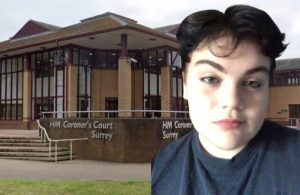
HM Coroners Court Woking Surrey

A coroner has raised concerns about the “lack of regulation”, both locally and nationally, after a professional dog walker was mauled to death in a Surrey park. Natasha Johnston, 28, had been walking eight dogs in Gravelly, Caterham, when she was fatally attacked on January 12, 2023. 

Senior Surrey coroner Richard Travers found that Ms Johnston died of shock and haemorrhage to her neck from a “vicious dog attack”. She also had multiple penetrating dog bites to the neck, arms and torso which would have also resulted in her death, the coroner said. 

Mr Travers said the “lack of regulation” on controlled dog walking was a “matter of concern” on a national level and there is a risk of other deaths in the future. He addressed his Prevention of Future Deaths report to the Home Secretary, as well as the CEO of Surrey County Council. 

Ms Johnston had walked a large number of dogs before, and had walked some of the same dogs previously without difficulty, the inquest heard. In his conclusion of the inquest, on October 21, Mr Travers said Ms Johnston “appeared to have some control” over the eight dogs she was walking. 

But, he added, “it was readily apparent that as time went by that any such control was lost, eventually with a tragic result.” Taking account of the number and size of the dogs, the coroner said Ms Johnston’s “inability to control and to hold [the dogs] was not surprising.”

Evidence was presented at the inquest that there is some guidance available as to the maximum number of dogs a person should walk on their own in a public place. However, Mr Travers expressed concern there is “no actual restriction” on the number or size of dogs that a person can walk on their own in a public place, either locally or nationally.  

Mr Johnston passed numerous dog walkers, pedestrians and a couple of horse riders on her walk. At first in control, the coroner described how the dogs became “increasingly excited” and disorderly. 

Two of the dogs reportedly ran towards two horses, frightening them, and causing one to bolt, with the rider thrown to the ground. After this, one of the larger dogs began scaring a smaller dog that was being walked by its owner. On picking up her dog, the owner was then bitten in her left buttock by the larger dog, “causing severe pain and injury”, the inquest heard. 

By the time of the last two incidents, the dogs were no longer in Ms Johnston’s control. She was discovered by a walker, lying at the bottom of a steep slope “covered in blood and with a large number of puncture wounds”, according to the report. 

Some Surrey councils have adopted new dog walking rules in 2024. Reigate and Banstead council is the latest local authority to have mandated a new four dog limit for dog walkers or face a fine. Surrey County Council has also introduced a new code of conduct for walkers which asks walkers to only take six pets at a time. 

Image: Surrey Coroner\’s Court, Woking. Taken by LDR


Attic find fills gap in Epsom local asylum history

Manor Hospital

Last Friday saw the return of a singular missing hospital record book. The book contains the medical case book of women admitted to The Manor Hospital between 19 May 1900 and 11 July 1901. This was one of five psychiatric hospitals established by the London County Council at Horton near Epsom at the start of the twentieth century. A treasure trove for family and social historians, the volume records the names, family details and medical notes of 250 London women living with a range of mental illness, with their photographic portraits fixed to its fragile pages. These poignant records allow a precious glimpse of the lives and experiences of women admitted to these vast Victorian pauper asylums. Julian Pooley of the Surrey History Centre rescued many of The Manor’s records after its closure in 1995, case book number 4 was not among them. It’s discovery in an attic in the London Borough of Kingston gives hope that other missing records from Surrey’s former mental and learning disability hospitals may yet come to light. 

The couple who found the book in their attic realised its significance when watching Gemma Collins discover her family’s mental health history in a recent episode of ‘Who Do You Think You Are’. Having read the case histories and been fascinated by the patient photographs, they got in touch with Epsom based charity The Friends of Horton Cemetery.

Lead researcher for the charity, Kevin McDonnell said: “”This discovery of Manor Asylum – Case Book No. 4 is of immense historical value, especially for our project. I’m grateful to you for preserving it. It will now find a home at the Surrey History Centre in Woking, where it will be accessible to our team of volunteer genealogical researchers. This document is critical to our mission to protect Horton Cemetery in Epsom, where nearly 9,000 unclaimed mental health patients were laid to rest between 1899 and 1955. These graves, left unmarked and forgotten, tell stories that we’re working to bring back to life. The cemetery, sadly, has been neglected and mistreated since it was sold to a property speculator in 1983. It’s a disgraceful situation for such a sacred resting place, now overgrown and scattered with rubble, and this important find helps highlight the significance of the lives laid to rest there.”

Surrey History Centre was delighted to find that it filled such an important gap in the surviving records. Now preserved in the History Centre’s strong rooms, it can be made publicly available for research and a range of community engagement projects.  


Epsom & Ewell consults on anti-social behaviour

Gang fighting

Epsom & Ewell Borough Council is calling on the public to take part in their consultation about a proposed Public Spaces Protection Order (PSPO) from 4 November. The consultation will run for 8 weeks and ends on 5 January.

PSPOs deal with a particular nuisance or problem in a specific area that is detrimental to the local community’s quality of life, by putting restrictions on how people can use public spaces in that area. They are intended to help ensure that the everyone can use and enjoy public spaces, safe from anti-social behaviour.

The consultation will help shape the future of our alcohol-related PSPO, with the public having a say on whether to renew the existing PSPO and extend its reach through the proposed changes.

Proposed changes include expanding the geographical area the PSPO covers to include the entire borough and, in partnership with Surrey Police, to provide additional community support to help counteract antisocial behaviour in public spaces.

The proposed new prohibitions in the PSPO include:

  • Harassing or intimidating residents, businesses or members of the public.
  • Threatening any person with violence and/or being verbally abusive towards any person.
  • Urinating in an open public place.
  • Littering or spitting with the intent to cause harassment, alarm or distress to any person.
  • Wearing a piece of clothing with the intent to obscure or hide their identity for the purposes of committing crime and/or anti-social behaviour.
  • Acting, or inciting others to act, in an anti-social manner, which is likely to cause harassment, alarm or distress to any person.
  • Joining or remaining in a group of two or more people, which is acting in a manner that is likely to cause harassment, alarm or distress to any person.
  • Consumption of alcohol following a verbal warning by an authorised person to stop. An authorised person includes a Police Constable, Police Community Support Officer, a Council Officer, or any other person authorised by the Council.

Councillor Shanice Goldman, Chair of Crime and Disorder Committee said:

“Our council is deeply committed to ensuring that public spaces across the borough are safe and welcoming for everyone. Public Space Protection Orders (PSPOs) allow police and council staff to address antisocial behaviour effectively, without immediately resorting to arrests.

“We’re seeking feedback from all residents, workers, and visitors to get a clear understanding of whether the proposed changes will better support the police and council in managing antisocial behaviour.

“I really do encourage your participation as your views will help shape our approach to creating safer, more enjoyable spaces for all.”

The consultation survey is available here – Public Spaces Protection Order (PSPO) Public Consultation.


Stolen dog recovered by Surrey Police after 8 years

Pictured with Daisy are PC Ewan Keen and PC Ellen Francis.

After eight long years, a gorgeous Cocker Spaniel called Daisy, who was stolen from her home in Mole Valley back in 2016, has now been reunited with her owners.

Daisy, who was one at the time, was stolen along with three other dogs in November 2016, after thieves took the working gun dogs from the garden kennels they were housed in.

Tragically one of the dogs was killed after being hit by a car as it tried to escape and the other two stolen dogs have never been located, despite best efforts from officers.

In a surreal turn of events, and nearly eight years to the day since Daisy was taken, officers were alerted on Tuesday 29 October, that someone had tried to update her microchip details. Our rural crime officer PC Laura Rowley immediately contacted the microchip company to obtain the details of the new owners.

Just two days later officers from the Mole Valley Safer Neighbourhood team completed a three hour round trip to bring Daisy back to Surrey and her owners. They said, “Daisy had been rehomed in good faith by the new owners and they were unaware of the theft of Daisy.

“We brought Daisy, who is now slightly deaf, back to the Mole Valley Safer Neighbourhood Team Office and there was not a dry eye in the house when she was reunited with her owners. She recognised them immediately and stuck to them like glue!”

Sadly, the other dogs, Tilly a black working Cocker Spaniel, and Storm a patchy white Patterdale Terrier, remain missing and are believed to be elderly or have possibly passed away due to their age at the time of the theft. However, if you have any information that may be relevant, please contact us quoting PR/45160097926.

Pictured with Daisy are PC Ewan Keen and PC Ellen Francis.


Epsom school fined for finger loss

Danetree school Epsom

A school trust in Surrey has been fined after part of a pupil’s finger was amputated.

The five-year-old boy, a Year 1 pupil at Danetree Primary School in Epsom, had been leaving the toilet on 15 June 2022 when his right hand slipped and went into the hinge side of a door.

There was no door guard installed and he trapped his right hand in the door.

This led to the tip of his middle finger becoming detached as his right hand was stuck in the door.

A teacher found the tip of his middle finger, and the boy underwent surgery to re-attach his finger at St Georges Hospital in Tooting, London.

Although younger pupils in Key Stage 1 were taught in a newer building where hinge guards had been fitted on the doors, the incident occurred in a separate building where the older children in Key Stage 2 were taught.

The Key Stage 1 pupils would use the Key Stage 2 building at least once a week to use its library and learn about music and science. While in this building, the Key Stage 1 pupils were allowed to use the toilets unsupervised.

A Health and Safety Executive (HSE) investigation into the incident found GLF Schools, the trust that runs Danetree Primary School, had failed to identify the risk to its Key Stage 1 pupils while using the toilets. This meant hinge guards were not installed on the toilet doors of the building where Key Stage 2 pupils were taught.

GLF Schools, of Picquets Way, Banstead, Surrey, pleaded guilty to breaching Section 3(1) of the Health and Safety at Work etc. Act 1974. The trust was fined £6,000 and ordered to pay £6,875.70 in costs at Staines Magistrates’ Court on 30 October 2024.

HSE principal inspector Emma Stiles said: “This little boy and his family could have been spared a lot of pain and upset if the trust had installed widely available, effective and inexpensive hinge guards on the doors the young children had access to. I would ask all schools to review their estates to make sure they have hinge guards where needed so no other children are hurt in this way when at school.”


The Horton Hid Hiring From Regulator

Controversy surrounded the appointment of the salaried Centre Manager of Epsom and Ewell’s new arts and exhibition venue, The Horton Arts Centre.

Documents obtained by the Epsom and Ewell Times under Freedom of Information Act requests reveal that the Charity Commission found that the trustees of the Horton Chapel Arts and Heritage Society did not seek its prior permission to employ the wife of a trustee.

A recently retired trustee, a trustee or a person connected to a trustee through marriage may not be given paid employment by their charity without prior Charity Commission approval.

The Commission found that Maria Reeves, the wife of founding chairman of the Charity, Ian Reeves, who was herself previously a trustee, was appointed to the manager role without its permission.

In these circumstances the Commission would normally order the trustees to pay the Charity the salary of the employee in question. However, in this case the Commission determined that the appointment had been hidden from the Commission for so long that such an order would be “disproportionate”.

The Commission also determined that the eventual appointment was “made in good faith”, but refused to answer how that finding was compatible with the failure to seek its permission. It has also refused to disclose the justification submitted to it by the trustees for the retrospective Commission approval.

Other documents obtained by the Epsom and Ewell Times show that an earlier recruitment exercise, described by an expert as “exemplary”,  was reversed on the intervention of trustees, including the then Chair Ian Reeves and his next door neighbour and trustee, Rupert Salmon.

That process had not short-listed the Chair’s wife Maria Reeves.

One former short-listed candidate who asked not to be named said: “I was of course disappointed that the recruitment process for The Horton Centre Director role was aborted as I had been shortlisted to the second round and was expecting to attend a second interview.

With regards to the Charity Commission’s role – it is disappointing that the Charity Commission’s own guidelines were difficult to enforce in this instance.”

None of the short-listed candidates from the aborted recruitment process were invited to re-apply and it appears that the recruitment process that led to the appointment of Maria Reeves was from a candidate list of one.

Ian Reeves and Rupert Salmon have been requested on a number of occasions to provide their response. Our press regulator confirmed that they had been provided with a reasonable opportunity to do so.

One former trustee stated: “Mr and Mrs Reeves deserved a reward for all the unpaid effort they had put into converting this disused chapel into a beautiful arts centre”.

Lionel Blackman, a former trustee and chair of the initial 6 strong recruitment committee, that consisted of three independent trustees and three independent external experts, said “I only wish to make a general observation that trustees of charities should comply with the rules. That expectation is somewhat heightened when a charity has been given £3 million of public money.”


Caring Mentors in Epsom and Ewell sought for young

Young man with mentor

MCR Pathways, (Mentoring, Charity, Relationships) an award-winning charity dedicated to transforming the lives of young people through mentorship, is looking for volunteer mentors to support a young person throughout their education.

The charity addresses the widening gap in educational and employment outcomes between care-experienced young people and their peers. Research shows that those who do not receive MCR Pathways mentorship are 23% less likely to progress to college, university, or employment compared to their mentored peers. By connecting young people with caring mentors, MCR Pathways helps bridge the gap between aspiration and achievement.

Mentors meet with their mentees for just one hour each week in school. This consistent interaction provides a valuable opportunity for young people to focus on their future, discuss any concerns, and share their thoughts and experiences in a safe and supportive environment. Research shows that even one hour a week with a caring adult can significantly boost a young person’s confidence, improve academic performance, and open doors to a brighter future.

Since its founding in 2007, MCR Pathways has made a significant impact, launching its programme in Surrey in 2021 and establishing partnerships with seven schools across the county. With the growing demand for mentors, MCR Pathways is actively seeking new volunteers in Epsom and Ewell. If you’re ready to make a meaningful impact in your community, find a school near you by visiting mcrpathways.org/school-locator.

To find out more about the programme and to register, head to mcrpathways.org/whats-stopping-you or for any enquiries about becoming a mentor, please reach out to Liz Grace, MCR Pathways’ Surrey Volunteer Recruitment Manager, at liz.grace@mcrpathways.org or call 07483 390702. Together, we can help create a future where every young person has the opportunity to thrive. Join MCR Pathways today and be the change in a young person’s life!


Frozen Shoulder Link to Menopause

Lady with frozen shoulder getting therapy.

Frozen shoulder, also known as adhesive capsulitis, is a painful condition that restricts movement in the shoulder joint due to adhesion and inflammation in the joint capsule. While this condition can affect anyone, it is particularly common in women aged 40 to 60, with many cases coinciding with menopause.

What Is Frozen Shoulder?

Frozen shoulder is characterised by pain and stiffness in the shoulder joint. It progresses through two main stages: the painful stage, where movement becomes uncomfortable and often disrupts sleep, and the stiffness stage, where shoulder mobility is severely restricted. The exact cause isn’t always clear, but there are certain risk factors.

The Menopause Connection

Frozen shoulder tends to occur more frequently in women, especially during menopause. Hormonal changes, particularly declining oestrogen levels, can impact connective tissues, making them more prone to inflammation and stiffness. This hormonal shift may partly explain why women in midlife are at higher risk of developing the condition.

Signs and Symptoms

Key symptoms of frozen shoulder include:

  • Pain: A deep, aching pain that worsens with movement. Night pain is common.
  • Stiffness: As the condition progresses, shoulder movements become more restricted, making daily activities like dressing or reaching overhead challenging.
  • Limited Range of Motion: Both active and passive movements are affected.

Risk Factors for Frozen Shoulder

  • Age and Gender: Women between 40 and 60, especially those going through menopause, are at higher risk.
  • Diabetes: Those with diabetes are more susceptible and often experience a more prolonged course of frozen shoulder.
  • Thyroid Disorders: Hypothyroidism and other thyroid issues are linked to a higher likelihood of developing frozen shoulder.
  • Immobilisation: Lack of movement after an injury or surgery can trigger the condition.

Treatment and Management Options

Physiotherapy: The Gold Standard

Physiotherapy is the cornerstone and is supported by the National Institute for Health and Care Excellence (NICE). It includes a combination of manual therapy, exercise, and education to relieve symptoms and improve shoulder function.

  • Manual Therapy: Techniques like joint mobilisation and stretching are used to reduce stiffness and increase mobility.
  • Exercise Therapy: A personalised exercise plan can help restore shoulder movement and build strength. Early in the painful stage, exercises are gentle, with intensity increasing as the shoulder improves.
  • Patient Education: Understanding frozen shoulder, its natural progression, and expected recovery time is vital. Many patients worry about the severity of their pain, especially during menopause, but education can reassure them that frozen shoulder is manageable and temporary.

Injection Therapy: Corticosteroids and Hydrodilatation

For those whose pain severely limits rehabilitation, injection therapy can be an effective complement to physiotherapy.

  • Corticosteroid Injections: These are most useful in the early painful stage, providing significant pain relief and reducing inflammation. This helps patients participate more actively in physiotherapy.
  • Hydrodilatation: This procedure involves injecting a saline solution, often combined with a corticosteroid, into the joint capsule to stretch it and improve mobility. It’s typically used during the stiffness phase.

Can Frozen Shoulder Be Prevented?

While not always preventable, staying active and maintaining shoulder mobility can reduce the risk of developing frozen shoulder, particularly during menopause when hormonal changes increase vulnerability. If you experience early signs of stiffness or discomfort, seeking physiotherapy promptly can prevent the condition from worsening.

Role of Menopause in Frozen Shoulder Recovery

Due to hormonal changes, women going through menopause may experience a longer recovery time. However, with early intervention, including physiotherapy and, if necessary, injection therapy, most women see significant improvements within one to three years. Managing underlying conditions like diabetes or thyroid issues can also speed up recovery.

Conclusion

Frozen shoulder is a painful and limiting condition, but with the right treatment, particularly physiotherapy, most people can regain their shoulder mobility over time. For women experiencing menopause, the added risk makes it important to be proactive in addressing early symptoms. Whether through manual therapy, tailored exercises, or injection therapy, effective treatment can help you regain shoulder function and return to your regular activities.


Fresh New Look for Ernest Jones Epsom

Ernest Jones shop Epsom with staff

Sponsored article:

A refreshed Ernest Jones store, designed for Epsom’s shoppers, has opened its doors in the Ashley Centre.

Customers are welcomed into a bright interior, with a host of new features to improve and enhance their shopping experience.

Every aspect of the refurbishment has been thoughtfully designed with local shoppers in mind.

“We wanted our Epsom customers to feel right at home from the moment they enter our store,” said store manager, Denise Ducasse.

“As a trusted jeweller with a reputation for quality, craftmanship and expertise, we’re here to help our customers celebrate milestone moments and so we really wanted to heighten that sense of occasion in our store,” she said.

“We’re really excited and hope our customers, will love our makeover,” she added.

To celebrate the opening of the new-look store, this weekend from October 25th-27th, Ernest Jones is inviting shoppers to join them for a glass of bubbly with an opportunity to view the latest collections, learn more about the range of jewellery and watch services available as well as an enjoying an extra 10% off the final weekend of sale.

Ernest Jones Epsom is part of a multimillion-pound store investment programme by parent company Signet Jewelers UK and Ireland. A total of 14 Ernest Jones stores and 41 H Samuel stores across the UK are being refurbished.

“This significant investment underscores our dedication to local high streets and shopping centres across the country. We believe that a vibrant retail sector is a vital part of a thriving community and we hope our refurbished stores will be warmly welcomed by local shoppers,” said Neil Old, Managing Director Signet Jewelers UK and Ireland.

Ernest Jones Ashley Centre, 10 Central Square, Epsom KT18 5DA


Epsom and St Helier Hospitals in Desperate Need of Repairs

Epsom Hospital

Epsom and St Helier University Hospitals are in need of urgent repairs, with more than £150 million required to address crumbling infrastructure, according to the latest NHS data. Epsom and Ewell MP Helen Maguire has urged the Government to prioritise investment in the upcoming Budget to tackle these issues.

The data highlights that nearly £70 million of the required repairs are classified as ‘high risk,’ meaning a failure to address them promptly could lead to serious injury and significant disruption to healthcare services. Both hospitals have been struggling with deteriorating facilities for years, with St Helier Hospital facing particularly severe challenges, such as falling ceilings and condemned buildings.

One major issue is the division of emergency care teams across both sites, a problem that the proposed specialist emergency care hospital in Sutton is intended to resolve. However, delays in funding mean that these plans have not yet come to fruition, leaving local residents reliant on facilities that are increasingly unable to meet modern healthcare needs.

Ahead of the Autumn Budget, Liberal Democrat MP Helen Maguire has renewed her call for urgent financial support to clear the backlog of repairs and ensure that the hospitals can provide safe and effective care for local communities.

“It is scandalous that people in Epsom, Ewell, Ashtead, and Leatherhead are being treated in hospitals that need millions of pounds in repairs,” said Maguire. “When someone goes to the hospital, they should expect to be treated in a building that is safe. This is the bare minimum. We need to do far better. It is now down to this Government to rescue our NHS, which is why, at the Budget, the Chancellor must urgently use any changes to the borrowing rules to invest in hospitals here in Epsom and Ewell.”

NHS Response

A spokesperson for the Epsom and St Helier University Hospitals NHS Trust acknowledged the extent of the challenges, stating: “We’ve spent £60 million in the past five years improving the facilities in our ageing hospitals, which are deteriorating faster than we can fix them. Local people deserve better, and we’re ready to build a new state-of-the-art hospital and upgrade our existing sites, but urgently need investment to make this a reality.”

The spokesperson also highlighted the outdated nature of parts of the hospital infrastructure, some of which predate the founding of the NHS. “The age of our buildings means they flood regularly, and when our lifts break down, we can’t fix them because they don’t make the parts anymore.”

Plans for the new specialist emergency care hospital in Sutton aim to address these issues by consolidating highly skilled medical teams, providing round-the-clock care. This would alleviate the strain on the existing Epsom and St Helier hospitals, which will continue to provide 85% of local services, including outpatient appointments and scans.

The Way Forward

The pressing need for investment in the local NHS infrastructure is clear, with both the MP and the hospital trust calling for urgent action. As the Budget approaches, the focus will be on whether the Government will step up and provide the necessary funds to ensure that residents of Epsom and surrounding areas receive the healthcare services they deserve in safe and modern facilities.

Local residents will be closely watching developments in the Budget announcement, hoping that long-awaited improvements to the area’s hospitals will finally become a reality.


Surrey Tories bouncing back already?

Newly elected Elmbridge Borough Councillor Colin McFarlane and John O’Reilly (image John Cope)

The Conservative election turnaround in Surrey shows no sign of slowing after the party beat the Liberal Democrats, Labour and independents to take two more seats at the October 2024 by-elections.

Voters in Elmbridge backed the Tories in both seats contested on Thursday, October 10 – holding on to Weybridge and winning Hersham Village.

The polls were called following the death of former Conservative councillor and “community champion” Charu Sood, who died after a cancer battle in August, and the resignation of Chester Chandler.

The two victories build on other Tory wins in Surrey with the party winning in Waverley Borough Council following a huge 19 per cent swing and victory in Runnymede where they doubled Labour’s vote share.

The wins have left the Conservative group leader on Elmbridge Borough Council in buoyant mood and talking up the possibility of going into coalition with the residents groups to offer “a better approach”.

Councillor John Cop said: “We’re back, after a couple of difficult years it’s amazing to see the council group grow again.

“I think it was a combination of two factors.

“Firstly there was a very clear rejection on the door of what the Liberal Democrat council has done.

“The Hersham community has been treated really poorly.

“There’s been the closure of the community centres, still not fully reopen and there was a lot of concern around high rise buildings going up on the town centre  – and the council not getting a local plan in place leaving us open to development.

“Secondly.  there was a real anger at the new Labour government, winter fuel coming in, and talking down the economy,  I think that was why we saw such a dramatic turnaround.”

Elections in Elmbridge take place every year, with the fourth year left free for the county council ballot.

The Conservatives had not won in Hersham since 2021. Cllr Cope put the reversal in fortune down to the popularity of their candidate whom he dubbed “Mr Hersham” ‘

In Weybridge, the party held on to narrowly hold the seat, in what was their first victory there since 2022.

The new council now comprises 21 Liberal Democrats, easily the largest party, 13 Residents Associations Group members, 11 Conservatives, two Hinchley Wood RAG and one independent.

It leaves the door open for a change of control at the top should the residents associations go into coalition with the Conservatives, something Cllr Cope said he would look to do.

Cllr Cope said: “We would welcome going into coalition with the residents associations and change the council for the better.

“I would be more than happy to talk to the residents’ associations to see if they would prefer  a different  approach.”

 Weybridge St Georges Hill results in full

  • Colin McFarlane:  Conservative Party 608 votes, 46.0 per cent (Elected)
  • Andrew Kelly: Weybridge and St George’s Independents 598 votes,  45.2 per cent 
  • Brittany Johansson, Green Party, 116 votes 8.8 per cent

Turnout 19.7 per cent

Hersham Village

  • John O’Reilly. Conservative Party 1029 votes 55.4 per cent (Elected)
  • Vasha Khodiyar, Liberal Democrats 736 votes 39.6 per cent
  • Francis Eldergill. Labour Party 94 votes 5.1 per cent 

Turnout 27.1 per cent

Newly elected Elmbridge Borough Councillor Colin McFarlane and John O’Reilly (image John Cope)