Epsom and Ewell Times

12th February 2026 weekly

ISSN, LDRS and IMPRESS logos

Surrey University Launches UN-Affiliated Centre to Tackle Climate Change

A UNITAR conference

Drastically improving the UK’s ability to address climate change is the grand challenge that the new United Nations Institute for Training and Research (UNITAR)-affiliated CIFAL centre at the University of Surrey will tackle.

CIFAL Surrey will be officially launched on Monday, 25 November, with a ceremonial UN flag raising, a Signing Ceremony and a panel event. In attendance will be a senior delegation from UNITAR, including Alexander Mejia, Head of the CIFAL Global Network and Director of the Division for People and Social Inclusion at UNITAR, other UNITAR delegates, Zöe Franklin, M.P. for Guildford, alongside a range of the university’s collaborative partners in business and government.

Drawing on the University’s strong research heritage and active engagement in sustainability, the new CIFAL Centre (Centre International de Formation des Autorités et Leaders), known as ‘CIFAL Surrey’, will work with UNITAR (the UN’s training branch) and the CIFAL Global Network among other stakeholders to lead both training and capacity-building initiatives in sustainability. In doing so, CIFAL Surrey will make a unique and much-needed contribution to empowering climate leadership through enhanced climate literacy within and beyond Surrey.

As part of its activities, CIFAL Surrey will work in partnership with national and local government, industry, civil society, and beyond, developing sustainable economic practices, and helping to advance action towards the UN’s Sustainable Development Goals.

Situated within the University’s Institute for Sustainability, CIFAL Surrey will draw strongly on multi-disciplinary expertise in delivering both training and capacity building on a wide range of sustainability challenges, to help facilitate knowledge exchange among leaders in government, the private sector, and civil society – locally, nationally and internationally, as well as UK-based international organisations.

Professor Amelia Hadfield, the University of Surrey’s Associate Vice President for External Engagement, and the new Director of CIFAL Surrey, said:

“Sustainability is far more than just a philosophy limited to net zero here at the University of Surrey. For us, and our community, sustainability reflects our deep, shared commitment to rebuilding a thriving planet for future generations. From the fundamentals of climate change to advanced policy implementation, CIFAL Surrey will provide hands-on training and resources to national and local government, businesses, and community groups, helping them deliver on the demands for a more sustainable future.

“Focused on knowledge sharing, skills building and decision-making, CIFAL Surrey will connect local expertise with global insight, fostering collaboration across government, the private sector, civil society, and the United Nations system to drive sustainable progress. As CIFAL Surrey Director, I’m delighted to be working with our own Institute for Sustainability, other CIFAL centres around the world, and UNITAR itself to deliver these critical goals.”

CIFAL Surrey is the second UN-affiliated centre on campus, following the 2023 launch of the Centre of Excellence for Ageing, which appointed its first cohort of Fellows in June 2024.

Nathalie Hinds, co-founder of the Institute for Sustainability at the University of Surrey, said:

“If the UK is to be a leader on sustainability, leaders need more than just an awareness of net zero – they need the skills to create real change. CIFAL Surrey’s training gives leaders hands-on experience with sustainable practices and governance, focusing on systems thinking and breaking down silos across sectors. Alumni of CIFAL Surrey will leave not only with world-renowned accreditation but they will also be part of a global network of alumni, gaining access to our Sustainability Innovation Hub for insights, research partnerships, and ongoing support.”

Mr Alex Mejia, Division Director at United Nations Institute for Training and Research (UNITAR), said:

“We are honoured to inaugurate CIFAL Surrey, hosted by the University of Surrey, a renowned global institution at the forefront of innovation and learning. This new centre will mark an important step in our mission to advance sustainable development and capacity-building worldwide. It will serve as a vital hub for fostering collaboration, innovation, and knowledge exchange across the United Kingdom and beyond.”

Deputy Leader and Lead Councillor for Regeneration at Guildford Borough Council, Cllr Tom Hunt, said:

“We are proud to support the launch of CIFAL Surrey and be a key partner in the project. This initiative will play a big role in driving sustainable development. It will give us the chance to work together to share knowledge, improve skills and deliver practical solutions for our communities. One of our key priorities as a council is to create a more sustainable borough. Our partnership with CIFAL gives us a unique opportunity to work alongside local, national and international experts to ensure a bright, sustainable future for Guildford.”

Councillor Matt Furniss, Cabinet Member for Highways, Transport and Economic Growth at Surrey County Council, said:

“It’s a pleasure to be able to welcome the team from the United Nations to launch this new international centre in the heart of Surrey. The CIFAL centre will play a key role in promoting sustainable development at home and abroad while also opening up opportunities for our communities. It also reinforces the region’s global reputation for innovation, research and knowledge exchange.”


Party divide on Surrey solar farm?

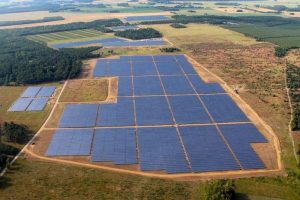
Solar Power farm unrelated to University

Plans for a Surrey solar farm have been questioned as an MP has called for the government to look again at the “nationally significant” decision. Jeremy Hunt, MP for Godalming and Ash, has supported the request of Compton Parish Council to call in the application.

The University of Surrey was granted permission to build solar panels on a 43-hectare site west of Blackwell Farm, Hog’s Back near Guildford on November 6. In partnership with SEE Energy, the solar farm is said to provide 34% of the University’s current electricity needs. On its own, the facility will increase total renewable energy generation in Surrey by 13%.

Mr Hunt, whose constituency covers the southern and western part of the site, has written to the Minister of Housing, Communities and Local Government Angela Rayner to express his concern on the facility’s impact on the countryside. The southern parts of the site are assessed as meeting National Landscape criteria and recommended for inclusion within the revised part of the Surrey Hills boundary.

In his letter to Mrs Rayner, who is also the Deputy Prime Minister, Mr Hunt said he was worried the development “may set a precedent for emerging policy relating to National Landscape land”. He wrote: “Rather than selecting brownfield, this site selected is high value farmland in a geographically significant and nationally important landscape.”

He added: “Given the national importance of this decision, I support the view of Compton Parish Council and CPRE that the application should be called in and determined by a Planning Inspector.”

The secretary of state decides whether to review a planning decision based on government policies after a request to call in has been made. If approved, the Planning Inspectorate will hold a public inquiry into the proposal and produce a recommendation. 

Surrey Campaign to Protect Rural England (CPRE) charity also wrote to the deputy PM in November, arguing the decision for the solar farm on green belt land be overturned. John Goodridge, Surrey CPRE chair, raised concerns on the impact of “agricultural land, encroachment on the green belt, harm to ancient woodland, the land’s legal status as candidate for inclusion in the Surrey Hills National Landscape”. 

However, Guildford’s MP Zöe Franklin has defended the solar farm plans and she support’s the university’s aims through the investment. 

The new Liberal Democrat MP said she “recognise[s] that solar farms can be contentious  “important part of providing renewable energy for a sustainable, low-carbon future”. Mrs Franklin said: “This solar farm proposal is a move towards clean, affordable, local energy production and supports our local grid capacity in Guildford and our villages.”

She expressed her confidence in Guildford Borough Council’s planning committee having made the decision in line with planning regulations.  But, the Guildford MP added she would also like to see the university include solar installations of their existing  buildings and car parks. 

A spokesperson for the University of Surrey said: “We are proud to play our part in reducing emissions – not just through this facility, but also through adding solar to the large roof on the Surrey Sports Park, progressing feasibility studies to maximise other on-campus generation – for example on our car parks – and a comprehensive energy efficiency programme. 

“We hope others will follow our lead, as there is no time to waste in increasing renewable generation to reduce emissions and increase Surrey and UK energy security. This project is firmly in line with local and national planning policy priorities, and we look forward to bringing it on stream in the near future.”

Related report:

Surrey University to get a third of its power from the Sun


£12 million bus boost for Surrey

A Surrey hydrogen bus

Surrey County Council has been allocated £12,074,800 from the Department for Transport, to further improve and protect local buses.  

The council will work with bus operators to allocate the funding, which is likely to generate more frequent buses on popular routes, protect services in rural areas and improve punctuality.

The investment will also be used to help Surrey bus services grow their passenger numbers and to support people who rely on them to make essential journeys.

Matt Furniss, Cabinet Member for Transport, Infrastructure and Growth at Surrey County Council said, “I’m delighted that Surrey will benefit from this essential funding which will help us to build upon our own significant investment and encourage more people to take the bus.

We’ve recently added 54 new zero emission buses to our fleet, invested £6.3m in more ultra-low and zero emission community transport minibuses, £9m in bus priority measures to ensure Surrey buses turn up on time, and £1.4m in improving information for passengers at bus stops.

Our Surrey LINK card gives young people half-price bus travel and we’ve expanded our on-demand Surrey Connect bus services to cover areas where there are limited fixed bus routes, giving more options to travel by bus for all residents right across Surrey, particularly supporting our rural areas.”

26 million journeys were made by bus in Surrey during 2023.


Surrey University to get a third of its power from the Sun

Solar Power farm unrelated to University

Permission has been granted for The University of Surrey to build a solar farm on green belt land. The scheme will provide the university with 34 per cent of its electricity, helping reach its net zero carbon emissions targets by 2030. 

Working in partnership with SSE Energy Solutions, the university has proposed to place 22,410 solar panels across three fields on the Hogs Back in Guildford. The 12.21 megawatt farm will provide electricity directly to the university by a 50m underground cable link, zig-zagging to a substation on the Stag Hill campus.

After rigorously debating for over an hour, members of Guildford Borough Council’s (GBC) planning committee approved the scheme on November 6. A majority of nine councillors voted in favour, with four against and two abstentions. 

Cllr Joss Bigmore said it was an “incredibly difficult decision”, boiling it down to the “substantial benefits” of renewable energy versus “some of the highest landscape protection areas”. 

Despite the students’ union supporting the scheme, the application attracted over a hundred objections from residents, and 15 other groups. Speakers at the meeting vocalised their anxiety that the harm to the green belt and Area of Great Landscape Value had been “downplayed” by planning officers and feared approval would open the floodgates. 

Cllr Pat Oven raised issues with the solar panels being used on agricultural land, arguing: “You can’t grow crops on any old land but you can graze sheep anywhere; we need to grow food in this country.”

Planning agent Paul Rogers told the committee it is “financially essential” the university decarbonises its energy supply. He added: “A stable university is critical to a thriving Guildford”. Councillors heard that the university’s energy costs have increased significantly, soaring from £4m to £17m per year. 

Will Davies, Chief Operating Officer for the University of Surrey, said: “This solar facility is critically important for our University and the wider Guildford community – helping us to deliver on our commitment to achieve net zero by 2030, while also enhancing our financial stability and energy security after the price shocks caused by the energy crisis.

 “Our modest scheme will boost the county of Surrey’s renewable energy generation capacity by 13%. It will be delivered alongside wider plans to add solar to University rooftops and car parks, and a package of measures to increase our energy efficiency in general.”

Set to go live in 2025, the solar farm will be in operation for 35 years before being decommissioned back to a field.

Image: Solar Power farm unrelated to University


Up hill struggle to stop oil drilling in Surrey – pays off?

Drilling in hills. Illustration only.

A clash between environmental advocates and oil developers at Horse Hill in Surrey has resurfaced as local campaigners question why oil production continues despite a lack of planning permission. The Weald Action Group, which represents numerous community groups opposing fossil fuel extraction across Southeast England, has raised concerns over ongoing operations by Horse Hill Developments Ltd (HHDL). The site, located in the Surrey Hills, is still producing oil even though the Supreme Court recently ruled that planning permission was granted unlawfully, citing omissions in the environmental impact assessment.

This summer, the UK Supreme Court upheld a challenge brought by environmentalist Sarah Finch on behalf of the Weald Action Group. The ruling faulted Surrey County Council for not considering indirect greenhouse gas emissions linked to the burning of the oil produced at Horse Hill when they approved the application. Consequently, the planning approval was nullified, marking a significant win for the environmental action group and setting a precedent that has since impacted other oil and gas sites across the UK.

In response to continued production at Horse Hill, the Weald Action Group’s legal team has written to Surrey County Council, requesting clarity on whether HHDL’s operations are indeed unauthorized and if the council intends to enforce a halt to production until retrospective planning permissions are secured. “It’s not clear why UKOG are still producing oil at Horse Hill despite having no planning permission to do so,” the group’s spokesperson stated. Meanwhile, Chris Coghlan, the newly elected MP for Dorking and Horley, has also pressed the council for answers.

The council’s statement confirmed it is aware of the issue, stressing that without planning permission, HHDL’s production activities may indeed be unlawful. It stated: “Following the Supreme Court decision, there is no planning permission for oil production at the site… The County Council is continuing its enforcement investigation and will determine whether formal enforcement action is expedient.” While the council refrained from offering a definitive timeline, it confirmed that formal enforcement remains a possibility, pending the ongoing investigation.

For the Weald Action Group and concerned residents, the situation underscores broader frustrations with fossil fuel projects in rural areas. Their efforts highlight a commitment to maintaining local accountability and environmental protections, especially in ecologically sensitive areas like the Surrey Hills.

UPDATE:

In a major development in the ongoing Horse Hill oil drilling controversy, UK Oil & Gas PLC (UKOG) has ordered the cessation of oil production at its Horse Hill site following intense public and political pressure. The decision comes after weeks of scrutiny, with mounting calls from local activists, national environmental groups, media outlets, and the newly elected MP for Dorking and Horley, Chris Coghlan, urging an end to operations that lacked valid planning permission.

The Weald Action Group, which represents a network of community groups opposed to oil and gas development in the Southeast, welcomed the decision but condemned the circumstances that led to it. “We are pleased that they have now suspended operations,” they stated, “but we are appalled that it took protests by Extinction Rebellion, news coverage, questions from the local MP, and the threat of legal action by Friends of the Earth to bring them to this conclusion.” According to the group, the suspension followed sustained pressure and widespread public outrage over UKOG’s ongoing activities despite the Supreme Court’s ruling that rendered Horse Hill’s planning permission invalid.

Brian Alexander, Communications Director for UKOG, initially defended the company’s position, claiming on Channel 4 that production at Horse Hill was compliant. “It’s not unlawful. We would not be doing it if it was unlawful… We are of the understanding, certainly from Surrey, that we are doing what we should be doing,” Alexander told the media.

In a statement issued after halting production, UKOG announced: “After recent discussions with Surrey County Council (SCC) and in keeping with the Company’s strategic move from oil & gas into material scale clean hydrogen storage projects, we instructed our subsidiary Horse Hill Developments Ltd (HHDL) to voluntarily suspend oil production at the Horse Hill site.” The suspension, effective as of Friday, October 25, reportedly aligns with the company’s new focus on hydrogen storage projects, reflecting a shift away from oil and gas.

UKOG emphasized that its actions regarding Horse Hill had been lawful, adding that HHDL has maintained regulatory compliance throughout its six years of operations. The company noted that discussions with Surrey County Council had been ongoing since June 2024 and included a recent site visit by council officials on October 16. UKOG stated it will now work closely with Surrey County Council to ensure a thorough suspension process and to support the planning redetermination process. This includes safely securing and decommissioning the Horse Hill site in compliance with environmental regulations.

The Weald Action Group, meanwhile, remains vigilant, stressing that it will continue to monitor UKOG’s activities and press for accountability at Horse Hill and other oil sites across the region. The group’s focus now turns to ensuring that any future decisions align with environmental protections and the community’s demands for transparency and local oversight.

Related reports:

The Hills Are Alive With the Sound of Drilling… ?

Justice Stops Oil

Image is AI generated imaginary picture of oil drilling in hills.


Epsom and Ewell adopts new Climate Action Plan

Climate change protest

Tuesday 15th October Epsom and Ewell Borough Council’s Environment Committee approved a new five year Climate Action Plan (2025-2029).

The Plan outlines a comprehensive strategy to meet the Council’s commitment to becoming carbon neutral by 2035. This second five-year plan builds upon the first Climate Change Action Plan, which ends in 2024, and introduces 52 key objectives across six main themes, aiming to reduce the Council’s own carbon footprint and address Borough-wide emissions. The Plan also reflects input from cross-party groups and officers involved in climate change and biodiversity efforts.

The six themes include:

  1. Council Leadership and Influencing Others: Focused on policy development, leadership, and collaboration with external partners to influence carbon reduction across the Borough.
  2. Council Buildings and Energy Use: Aimed at reducing energy consumption in council-owned buildings and exploring renewable energy options such as solar panels and energy-efficient systems.
  3. Transport: The plan includes strategies to reduce emissions from the Council’s fleet and encourage electric vehicle infrastructure in public car parks and on streets.
  4. Environmental Improvements: Objectives include increasing biodiversity, promoting local food production, and ensuring sustainable land management practices.
  5. Waste Management: Targeting reductions in waste production and improving recycling rates across the Borough.
  6. Technology and Information Systems: Leveraging data and new technologies to track carbon impacts and implement climate-smart solutions.

The plan incorporates specific performance indicators, financial costs, and the projected carbon impact for each objective, ensuring transparent monitoring of progress. Key initiatives include transitioning to a green fleet, enhancing energy efficiency in public buildings, supporting local energy projects, and promoting biodiversity and sustainable transport options. The plan stresses the importance of partnerships, particularly with Surrey County Council, to foster local and regional collaboration on environmental sustainability .

Here is a summary of ten interesting objectives from the 52 listed in the Climate Action Plan:

Local Plan Development: Integrate climate change mitigation and adaptation into the Local Plan, focusing on low carbon design, energy-efficient buildings, sustainable transport, and environmental impact minimisation .

Green Procurement: Revise procurement policies to prioritise low-carbon products and services, thereby reducing the Council’s total carbon footprint from supply chains .

Supplier Engagement: Identify the Council’s most carbon-intensive suppliers and collaborate with them to reduce their emissions .

Energy Efficiency in Private Rentals: Support compliance with Minimum Energy Efficiency Standards (MEES) in private rental properties, ensuring properties achieve an Energy Performance Certificate (EPC) rating of E or above .

Green Skills Development: Work with Surrey County Council to promote green careers and skills development, particularly in the areas of construction and retrofitting, to meet future workforce needs .

Tree Planting: Implement the Council’s Tree Management Plan to increase tree cover in the borough, enhancing biodiversity and contributing to carbon sequestration .

Sustainable Energy Production: Explore options for larger-scale sustainable energy projects on Council-owned land, such as solar farms .

LED Lighting Replacement: Replace traditional lighting at Council assets, like Epsom Playhouse and Bourne Hall, with energy-efficient LED lighting .

Solar Energy Feasibility: Investigate the potential for installing solar panels, solar storage, and solar carports on Council-operated assets and land .

Government Funding for Green Projects: Actively pursue government and external funding opportunities for energy efficiency and decarbonisation projects across Council buildings .

These objectives exemplify the Council’s comprehensive approach to addressing climate change, focusing on reducing carbon emissions, enhancing energy efficiency, and fostering community engagement in sustainability efforts.


Epsom and Ewell Council answers parking complaint immediately

Entrance to Ashley Centre car park

Charles Moseley of Hurstpierpoint complained in a letter dated 8th October to the Epsom and Ewell Times about the running out of Epsom Playhouse beer and the Ashley Centre Car Park during his visit to the Counterfeit Stones performance. Just five hours later (by coincidence) Epsom and Ewell Borough Council wrote to us with a new plan to improve the parking experience. They could not be expected to fix an unexpected peak in the demand for beer at the Borough’s showpiece theatre venue. Here are the communications in full.


8th October 2024 10:28 hrs

Dear Sirs,

I am writing to say how much we enjoyed a gig by The Counterfeit Stones, who were really good.  However we arrived fairly early and decided to have a drink in the theatre bar and were served by a very nice bar lady who proceeded to pour two pints of London Pride.  But she only managed one and a half before running out!  She was very apologetic in saying that she had no more bitter of any description, only lager, cider and spirits.  Apparently this was due to the audience of the previous night’s show supping all the bitter. What are about 400 mainly middle or above aged Rolling Stones fans supposed to do with no beer?  We had to plunge the depths of Epsom’s society pubs and eventually found, at the third attempt, something resembling beer in Wetherspoons.  As for the car park, well that was something else with two queues out and at least one in each line that had not paid or lost their little yellow disc! It was chaos! And £5.00 for the privilege! So it’s full marks for the band and bar lady, as for Epsom Council?  Give me strength!

Charles Moseley

Hurstpierpoint


Epsom & Ewell Borough Council are installing a new Auto Number Plate Recognition (ANPR) parking system at the Ashley Centre car park in Epsom town centre this month. Work will begin from 14 October and is expected to take three weeks to complete.

The ANPR system will mean that car users can drive up to the barrier and enter the car park with their registration being used for identification and payment upon exit.

The new system will remove the need for tokens and the associated charges that are incurred when they are lost. Cash and card payment options will be available on all floors, as well as the ability to pay remotely.

Councillor Liz Frost, Chair of the Environment Committee, said:

“The works taking place at the Ashley Centre car park are a welcome upgrade to a more modern and convenient system. We know the tokens have been a cause of frustration to many drivers as they are small, difficult to find and easily lost (leading to penalties being issued).

“We appreciate that the necessary work may cause some inconvenience for drivers during the installation of the new ANPR System, and we apologise for this. However, we feel the upgrades will be a great improvement and make it easier and quicker for people visiting Epsom Town Centre to park.

“With Christmas just around the corner, we believe the upgrades to the car park support the ongoing work we are undertaking to boost the local economy by making Epsom Town centre a more hassle-free and therefore more attractive place to visit.”

Epsom and Ewell Brough Council 8th October 2024 16:00hrs


Surrey schools greenest in England

St Peters CofE Primary in Farnham were recently awarded Green Flag status with support from Surrey County Council

Surrey County Council is proud to announce that it continues to lead in England in environmental education, boasting the largest number of Eco-Schools Green Flag awards for the second consecutive year. There are over 170 schools working on the Eco-Schools programme, with 98 schools across the county having earned this internationally recognised accolade, Surrey is at the forefront of fostering a sustainable future through education. 

The Eco-Schools programme, the largest education programme globally, provides a structured framework for embedding sustainability into schools.  

Surrey’s achievement represents the active participation of over 52,000 pupils who are part of a Green Flag school. Approximately 2,200 of these students have played a direct role in their schools’ journey to achieving the Green Flag status.  

Activities that have taken place include: 

  • Running switch off campaigns to save energy. 
  • Growing fruit and vegetables on their school grounds. 
  • Building new ponds to increase biodiversity. 
  • Planting trees to encourage more wildlife and improve air quality. 
  • Making signs for bins to make sure people use the correct bins, to help increase recycling. 
  • Installing water buts to collect rainwater. 
  • Monitoring energy use, water use and sustainable transport practices to see where they can improve.  
  • Following national campaigns such as Walk to School Week and Recycle Week.  

The projects have engaged over 52,000 pupils and are already reaping benefits which include: 

  • Saving a total of 1,196,638 kwh of electricity  
  • Diverting 90,645 tonnes of waste from landfill 
  • Creating 12,584 (m2) of natural habitat 
  • 7,400 pupils participating in walking and cycling initiatives 
  • Over £10,000 has been raised for environmental projects in schools 
  • Over 30,000 pupils have taken part in a curriculum based environmental lesson 

Marisa Heath, Cabinet Member for Environment at Surrey County Council, said: We are very proud to have the most schools with Eco-Schools Green Flags in England, and this is a testament to the hard work of those schools. It is vital to ensure the next generation understands how we can look after our environment and is prepared to make informed, environmentally aware choices. Many young people are passionate about the environment from recycling to air quality, and Eco-Schools provides them with a proven platform to make a real difference in their school and local community.” 

Clare Curran, Cabinet Member for Children, Families and Lifelong Learning adds: “The Eco-Schools programme empowers students to take the lead in environmental action, encouraging them to become champions of positive change both now and in the future. It’s fantastic to see this acknowledgement of their efforts from a globally recognised awards programme.”  

More information about Eco-Schools in Surrey, including how to sign up can be found Surrey County Council’s website

Image: St Peters CofE Primary in Farnham were recently awarded Green Flag status with support from Surrey County Council


Surrey’s one stop shop to save energy

Man fitting solar panels on roof

Surrey residents can now receive support to upgrade their homes with energy saving ‘retrofit’ measures including insulation, heat pumps and solar panels through an innovative Home Energy Improvement ‘One-Stop Shop’ pilot scheme.  

Surrey County Council (SCC) is working in partnership with Furbnow, specialists in home energy improvements, to help people make the transition to a lower energy and better performing home.  

The service is for households that are looking to invest in their home’s energy performance but need help to get their home energy project planned, designed and installed. Eligible Surrey residents can access 60% off the cost to plan, design and manage their home energy project.  

Marisa Heath, Surrey County Council Cabinet Member for Environment said: “I am delighted that we are working with Furbnow on such an innovative and important pilot to support our residents to install energy saving measures.  

We know that cost plays a huge part in residents being able to self-fund improvements to their homes, but this could be a way for everyone to reduce their bills for the long-term. 

As well as saving money, and making your home more resilient and future proofed, residential energy use accounts for over 30% of Surrey’s emissions so improving the energy performance of as many of our homes as we can makes a huge difference in achieving our goal of being Net Zero Carbon by 2050.” 

All Surrey residents can receive support from Furbnow’s team via their website, and the first 245 homes can access a subsidised whole house assessment and Home Energy Plan, if they live in one of the 300,000 Surrey homes that have poor energy performance.  

Becky Lane, CEO of Furbnow, added: “We’re thrilled to partner with Surrey County Council on this groundbreaking initiative. The Home Energy Improvement One-Stop Shop is designed to simplify the often-complex process of home energy upgrades. By providing expert guidance, quality assurance, and streamlined service from planning to installing, we’re empowering Surrey residents to make their homes more energy-efficient, comfortable, and valuable.  

This not only benefits individual homeowners through reduced energy bills and improved living conditions but also contributes significantly to Surrey’s carbon reduction goals. We’re excited to see the positive impact this pilot will have on the community and the environment.”  

All Surrey residents can receive support from Furbnow’s team via their website, and the first 245 homes can access a subsidised whole house assessment and Home Energy Plan, if they live in one of the 300,000 Surrey homes that have poor energy performance.  

A Home Energy Plan, after the in-person survey, outlines recommended energy efficiency improvements for a home, detailing, the benefits, estimated costs, impacts, and suggested installation order. This can reduce their energy consumption and their bills, and improve the respiratory health of their household, and perhaps even increase the value of their homes. Furbnow also manage the design and installation of any energy efficiency improvements to your home to take the hassle out of your project. 

It’s free to register and there is no obligation to go ahead with a Home Energy Plan or the installation of measures. 

For more information about the One Stop Shop scheme, visit www.furbnow.com/surrey


Surrey’s outstanding beauty expanding?

Surrey Hills National Landscape, Frensham Ponds (Image Natural England/ LYDIA2)

The Surrey Hills could be made significantly larger as Natural England considers expanding the borders of the county’s “iconic and beautiful” landscape.

Each year millions of people are drawn to Surrey’s “views and beauty” as they search out rare habitats and ancient woodlands – not to mention locations from Hollywood hits – and now moves are afoot to protect even more of Surrey’s cultural heritage.

A consultation has been launched on expanding the Surrey Hills, with up to 27 new areas brought under the label, that could result in the area of outstanding natural beauty being made up to 30 per cent larger.

That figure includes the potential 13 “minor areas” that could be removed from the protection afforded by the designation.

An area of outstanding natural beauty are protected by the Countryside and Rights of Way Act 2000 to conserve and enhance natural beauty. Any planning proposals submitted in these areas must have regard for the purpose of conserving and enhancing the natural beauty of the Surrey Hills.

Nature England area deputy director Allison Potts said: “If the proposed areas are added to the Surrey Hills National Landscape, this could bring many benefits including conserving and enhancing the natural and cultural heritage, as well as the views and beauty of the area.

“It will give improved access to nature for the benefit of people’s health and wellbeing whilst boosting economic growth and local tourism and safeguard a nationally important landscape for future generations. 

“All on the doorstep of London.” 

The Surrey Hills, described by Natural England as “an iconic and beautiful landscape encompassing rare habitats from acid and chalk grassland to extensive ancient woodland” is enjoyed by millions of residents and visitors. 

It stretches across the county and includes the chalk slopes of the North Downs from Farnham at its furthermost western point to Oxted in the east. Its southern boundary stretches to the densely wooded Greensand Hills around Haslemere.   

The consultation features an online survey as well as a series of roadshows to help Natural England consider whether to approve a draft designation order to include new land within the national landscape.  

It is the first time the Surrey Hills boundary has been reviewed since its original designation in 1958 and comes after a number of borough and district councils began designating areas bordering the Surrey Hills as Areas of Great Landscape Value in recognition of their value at a county level. 

Natural England, after a formal request by the Surrey Hills National Landscape Board, will now consider whether these and others should be included within the designation.

If successful it would still require approval from the secretary of state for environment, food and rural affairs. 

In 2023, more than 1,500  individuals and organisations responded to the survey to express their views on the future of the Surrey Hills.

Of those, an overwhelming majority supported the extensions, Natural England said.

Ms Potts added: “If the proposed areas are added to the Surrey Hills National Landscape, this could bring many benefits including conserving and enhancing the natural and cultural heritage, as well as the views and beauty of the area. 

“It will give improved access to nature for the benefit of people’s health and wellbeing whilst boosting economic growth and local tourism and safeguard a nationally important landscape for future generations. All on the doorstep of London.” 

 Areas under consideration include Wey Valley  Hogs Back Cranleigh Waters, Hatchlands and East Clandon as well as  Headley Hill Limpsfield, Betchworth Hills and Mole Valley

Image: Surrey Hills National Landscape, Frensham Ponds (Image Natural England/ LYDIA2)


Trust the public to check our rivers

Hogsmill

The Big River Watch is returning. From 6th to 12th September, the South East Rivers Trust is inviting people across the South East to join the only UK and Ireland-wide citizen science survey of river health, which has attracted more than 9,000 participants in its first year. 

Anyone can join the Big River Watch by downloading the free, easy-to-use app and spending 15 minutes by their local river, answering the simple survey questions. The results will be made available on an interactive dashboard and will help drive action to improve rivers both on-the-ground and via campaigns and political advocacy. 

We want to build a complete picture of river health, and topics covered include the plants and wildlife people can see, as well as visible signs of pollution or observations on flow levels. Some of the rivers and chalk streams across South East England provide habitats for rare species such as Beavers, Otters, Nightingales, Turtle Doves, Salmon and Brown Trout. It’s essential that we try and restore healthy ecosystems for these rare species and local communities by carefully monitoring the health of the waterways across the region.

The South East Rivers Trust is running a series of volunteer events across the South East throughout September, including river clean-ups, gravel seeding and planting, where local communities can get involved and help restore their river: www.southeastriverstrust.org/events

Bella Davies, CEO at The South East Rivers Trust, said: “People across the UK and Ireland are becoming more and more interested in the health of their rivers, using their voices – and their votes – to show they care. With the Big River Watch, anyone can get involved in monitoring signs of pollution, spotting wildlife, and sharing their connection with their local river. This isn’t just important for us gathering data but is also empowering for people who are demanding better for our rivers.” 

Tessa Wardley, Director of Communication & Advocacy at The Rivers Trust, said: “We know that no rivers in England are in good overall health, but we also know that environmental monitoring is currently very sparse. Having a large set of data from one weekend will help our experts to understand what’s going on in our rivers, and what needs to be done to make them cleaner, healthier, and part of a thriving wider environment. As well as learning where pollution and wildlife are spotted, we also want to know how spending time near rivers affects people’s wellbeing, so I’d encourage anyone and everyone to spend some time by their river and make their voice heard.” 

  • The survey includes questions on river wildlife, signs of pollution, and health and wellbeing 
  • Results will be updated in near-real time on the Big River Watch Data Dashboard 
  • More than 9,000 people have now taken part in the Big River Watch, 59% of those being new to citizen science

Related reports:

Chalking up a victory for the Hogsmill

Voles let loose on the Hogsmill

Ewell’s wetlands to be celebrated on an open day

Image: Views of the Hogsmill River that runs through Epsom and Ewell


‘Don’t put your national trust in Barclays’ climate protestors urge.

Visitors stage a demonstration at Box Hill

On Saturday, 3rd August, visitors to Box Hill from Epsom, Ewell, and surrounding areas held a peaceful demonstration, urging The National Trust to cease banking with Barclays.

The group organised a picnic protest at the iconic Box Hill viewpoint, displaying banners and placards to appeal to the charity to drop Barclays, which is Europe’s largest financier of fossil fuels.

Box Hill, renowned for its stunning views across Surrey, is one of the hundreds of sites owned by the National Trust. The organisation is a guardian of nature reserves, national parks, coastlines, historic buildings, and estates across the country.

The demonstrators carried banners and placards with messages such as ‘Love National Trust, Not Barclays’. They engaged with families, distributing leaflets and collecting signatures for a petition that calls on the charity to switch to a bank that does not fund fossil fuels.

Kristine, an NHS doctor from Epsom and mother of four, expressed her concerns: “I have been visiting Box Hill and other National Trust sites with my four boys since they were babies. Exploring nature as a family is invaluable, and I am very disappointed that an organisation like the National Trust does not prioritise the natural world we are leaving for our children in its banking choices.

“Barclays is destroying nature with its horrific lending and investments in unethical industries. Knowing that I am indirectly supporting Barclays spoils my visits to National Trust sites. Since realising the impact our choice of bank can have on the climate, I switched to an ethical bank last year. I see no reason why the National Trust cannot do the same.”

The demonstration was part of a week of vibrant actions by campaigners across the country, aimed at urging the National Trust to cut ties with Barclays, which has invested $235.2 billion in fossil fuels over the past seven years.

Despite publishing a new energy policy earlier this year, which it hailed as a step towards a “science-based” approach to “financing the transition”, Barclays continues to finance notorious fossil fuel companies such as ExxonMobil and Royal Dutch Shell. In 2023 alone, Barclays provided $24.221 billion in financing to fossil fuel companies.

The bank’s new energy policy has faced widespread criticism for loopholes that allow it to continue supporting carbon-intensive industries such as fracking. Meanwhile, investigative journalists have revealed that Barclays’ “sustainable finance” is being used to fund pipelines and oil expansion projects.

Recently, other institutions have announced their intentions to sever ties with Barclays for ethical reasons. Christian Aid and Oxfam have already withdrawn their funds from Barclays.

Cambridge University is also in the process of withdrawing its support for Barclays and is leading a group of universities and colleges that are investigating more sustainable financial products. Despite its commitment to natural conservation, the National Trust is lagging behind other charities and thought leaders within its sector.

Alice, a mother of one from Sutton, who participated in the demonstration, said: “I have been donating to the National Trust for years and even used to work in the tea shop at another local property.

“But I never realised that all this time my money was going directly to Barclays Bank, a bank that funds fossil fuels and arms—both of which I am completely opposed to. I don’t want my money to support such a horrific business, and I wish the National Trust would make much more of an effort to cut ties with Barclays.

“They have been aware of their members’ ethical concerns for years now, yet they seem to be doing very little about it.”

Euronews reported in February: “Addressing climate change is a critical and complex challenge,” said Laura Barlow, group head of sustainability at Barclays. “We continue to work with our energy clients as they decarbonise and support their efforts to transition in a manner that is just, orderly and addresses energy security.”

Barclays announced that it will no longer provide direct financing for new oil and gas projects, starting in 2024. This policy change is part of a broader strategy where the bank has committed to mobilizing $1 trillion in sustainable and transition finance by 2030 to help facilitate the energy transition. Additionally, Barclays has introduced a Transition Finance Framework and placed restrictions on financing for companies heavily involved in oil and gas expansion.

Barclays’ representatives have defended their approach by stating that the bank’s role is to support an energy sector in transition, focusing on companies that are actively investing in low-carbon technologies. They argue that their large-scale operations enable them to be instrumental in financing the global shift towards more sustainable energy sources. The bank has also set stringent expectations for its energy clients, requiring them to have decarbonization plans in place by 2025, along with specific emission reduction targets.

This approach has been described by Barclays as a balanced effort to meet the dual challenges of addressing climate change while ensuring energy security and affordability. However, this stance has received mixed reactions, with some campaigners arguing that the bank’s policies do not go far enough in curbing support for the fossil fuel industry.


A question of Chalk Pit noise and dust

Chalk Pit waste site. Epsom

Noise and dust pollution from the Chalk Pit waste recycling centre in Epsom continues to exacerbate the Council as residents’ complaints continue unabated.

On 26th March 2024 Epsom and Ewell Council decided to allocate funds to address the issue. £40,000 was reserved for independent noise investigation, and £100,000 was allocated for potential enforcement and litigation work. The Environment Committee was directed to identify equivalent savings or income to replenish the reserve by the end of the financial year 2025-2026.

Questions were raised at the Full Council 30th July on progress.

Cllr Steve McCormick (RA Woodcote and Langley) asked his fellow RA ward Councillor Liz Frost (Chair of the Environment Committee) “The Chalk Pit site is still causing many of our residents noise and dust nuisance with several complaints being logged daily to this council, Surrey County Council and the Environment Agency. There are planning applications in process with Surrey County Council but in the meantime, residents are experiencing regular disturbance to the unencumbered enjoyment of their homes and gardens. What actions are this council taking to address these statutory issues that this council is responsible for?”

Cllr Frost responded: “The Council has proceeded in line with its statutory duties to take such steps as are reasonably practicable to investigate complaints of nuisance. This has included an early morning visit to characterise and witness the noise at that time. Further, and as a consequence of a temporary diversion of resource away from a separate statutory service, the council intends to deploy a dedicated officer for Chalk Pit work alone for a limited number of hours per week over the summer period.”

Cllr McCormick pressed the matter: “Can Councillor Frost confirm details for the dedicated officer mentioned, specifically how many hours per week, confirmation on the role of the officer resource, i.e., additional monitoring, for example? And why is the summer period only in scope? Why not a longer period until statutory nuisance is resolved?”

Cllr Frost replied: “The number of hours is not yet known. We are working with somebody who we are hoping to engage, who has a lot of experience in this type of work. So we will be having an expert who is used to investigating noise nuisance and knows what they’re looking for. We’re hoping that the work will start in August. I can’t really tell you how long it will go on for or exactly how many hours; it depends on how much is needed, and the contract has yet to be signed, so it’s difficult to answer that.”

Cllr James Lawrence (LibDem College) pursued the matter further: “It’s very useful to hear that we’ve got some form of plan for a dedicated officer time and resource to focus on the Chalk Pit. Would the Chair agree that it is unacceptable for residents to be woken up at 5:40 a.m. due to the repeated banging and experience repeated disruption throughout the day? Has this experience influenced your decision to give this dedicated officer resource?”

Councillor Frost responded: “I do agree this is not a good situation with people being woken up at this time. I think we would all agree with that. The difficulty comes with finding the actual evidence and identifying exactly who is responsible. That is something we are hoping to get more information on, but yes, it is not a good situation.”


Meanwhile local residents complain they are suffering and the Council and other agencies are not doing enough quickly enough.

Related reports:

Chalk Pit action – a tale of two committees

“Heat and Dust” epic in Epsom

Chalk Pit debate deferred by late abatement

Will the dust ever settle on Chalk Pit conflict?


East Street development not off the Hook

Hook Road Car Park and gasworks

On Tuesday, 16th of July, the Environment Committee at Epsom and Ewell Council sat down to discuss the possibility that there might be considerable environmental issues at the Hook Road Multi-Story Car Park.

It was decided in principle to release the Hook Road Car Park to facilitate wider redevelopment of the gas holder site. Hesitation is largely due to the lack of information on the severity of the level of contamination in the area.

In the report provided by council officer Mark Shepard, it was stressed that the issues of contamination are based on what is underneath the car park, that there is no present risk to people’s health, and it is safe to use for its intended purpose.

The Hook Road Car Park sits on top of a water aquifer and operates directly adjacent to a former gas works that has been in operation since circa 1870 (which can be seen on the historical land use map). Given the lack of environmental research into the soil and water of the gas holder site, it’s not known to what extent the Hook Road Car Park is dealing with a ticking time bomb of contaminants. Gas sites are generally considered some of the most contaminated sites across the United Kingdom, especially ones that have been in operation from the 19th to 20th century, when there were next to no regulations for the disposal of industrial waste.

The byproducts of coal gasification include tar and pitch, which contain toxic and potentially carcinogenic polycyclic aromatic hydrocarbons (PAHs). Ammonia, another byproduct, can contaminate soil and groundwater. Other harmful substances, such as toxic phenolic compounds, spent oxides, and sulphur compounds, also pose contamination risks to soil and water. Additionally, the process involves toxic chemicals that contribute to heavy metal pollution, including lead, arsenic, mercury, and chromium. These byproducts pose significant environmental and health risks due to their persistence and toxicity. As for the gas holder site at Hook Road, council officer Mark Shepard stated in the committee meeting that “we don’t yet know the level of contamination.”

There is the additional factor of Thames Water’s Epsom Water Works, located a short distance away. The East Street drinking water boreholes are in close proximity (less than 200m) to the former gas works site. This means that if there are any attempts for a clean-up at the former gas works site, it would necessitate thorough monitoring by the Environment Agency on account of its potential risk for contamination. In the meantime, the council’s decision remains provisional as they await more detailed environmental assessments to determine the appropriate course of action.

Image: Hook Road Car Park and gasworks – Google


Paving the way to better regulation?

Cafe tables outside Zig Zag Epsom High Street

The Epsom and Ewell Borough Council has voted to dispense its current pavement licence policy, rather than it being updated to copy the .GOV guidance. This change comes as part of a broader review conducted during an Environment Committee Meeting held on July 16th. Instead, Officers of the council will continue to determine applications under delegated authority, with the Council’s website linking to the .GOV guidance. 

[This post corrects an earlier post that incorrectly inferred that applications would no longer be processed by EEBC.]

The original pavement licence policy, introduced under the Government’s Business and Planning Act of 2020, was a temporary measure designed to assist the hospitality sector amid the economic turmoil caused by the Covid-19 pandemic. It allowed cafes and similar businesses to place removable tables and chairs on adjacent council-owned highways for a capped fee of £100, a significant reduction compared to the more cumbersome procedures under the 1980’s Highways Act.

As part of the 2024 Levelling Up agenda, this temporary policy was transformed into a permanent measure. However, the cost cap was raised, allowing councils to charge up to £500 for new licences and £350 for renewals. This shift aimed to provide local authorities with greater financial flexibility.  

The decision has sparked a range of reactions. Some view the licence fee as an additional financial burden on small, independent cafes striving to thrive in a challenging economic environment. However, proponents argue that the policy plays a crucial role in ensuring pedestrian safety and accessibility, preventing removable furniture from obstructing pathways and ensuring compliance with accessibility standards.

During the committee meeting, concerns over the cost of the licence fees were voiced. Councillor Robert Leach criticised the high fees, particularly the notion of paying £555 to process a form and issue a licence, suggesting it seemed “ridiculous” and speculating that the figure was derived using a “different unit of currency.” However, it was clarified that the actual cost of processing a new application exceeded the fees charged, necessitating the higher rate to break even, though this remains capped by the government.

However, doubts were also raised regarding the renewal fee of £350, with some committee members questioning the justification for this amount, given that most of the necessary work is completed during the initial application process

Image: Cafe tables outside Zig Zag Epsom High Street – Google


Green Flag Awards Honour Epsom and Ashtead Commons

Great Pasture at Epsom Common. EEBC

Local communities are celebrating as both Epsom Common and Ashtead Common have been awarded the prestigious Green Flag Award, recognizing them as two of the best-managed green spaces in the UK. This esteemed award, administered by the environmental charity Keep Britain Tidy, sets the benchmark for the management of recreational outdoor spaces across the UK and internationally.

Epsom Common Local Nature Reserve (LNR) has achieved this accolade for the 18th consecutive year, underscoring its continued excellence in environmental stewardship. The site, managed by Epsom & Ewell Borough Council, is a haven for biodiversity, featuring oak woods, pasture woodlands, and wetlands that are home to rare species like cotton spotted orchids and purple emperor butterflies. It is also designated as a Site of Specific Scientific Interest (SSSI) due to its significance as a breeding bird habitat.

Councillor Liz Frost, (RA Woodcote and Langley) Chair of the Environment Committee, expressed pride in the achievement, attributing the success to the hard work of volunteers and partners, including the Epsom Common Association, the Lower Mole Partnership, and Natural England. “This award is a testament to the dedication of our volunteers and staff who work tirelessly to maintain this beautiful and biodiverse space,” she said.

In Ashtead, the Ashtead Common has also been honored with the Green Flag Award, further enhanced by receiving Green Heritage Site Accreditation. This recognition highlights the site’s exceptional conservation efforts and its status as a National Nature Reserve since 1995. Managed by the City of London Corporation, Ashtead Common is renowned for its ancient oak pollards and diverse habitats, including those supporting rare invertebrates and breeding birds.

Ben Murphy, Chairman of the City Corporation’s Epping Forest and Commons Committee, noted the significance of the award, stating, “These awards demonstrate the effectiveness of our management plans in preserving open spaces like Ashtead Common for future generations. It also reflects the positive impact of the City of London Corporation’s investments in local communities.”

Both sites were evaluated on several criteria, including accessibility, safety, cleanliness, community engagement, and efforts to combat climate change. The awards celebrate the commitment of the staff and volunteers who ensure these spaces remain welcoming and well-maintained for the public. The Green Flag Award scheme highlights the importance of well-managed green spaces in fostering community well-being and promoting sustainable living.

The achievements of Epsom and Ashtead Commons underscore the value of preserving natural habitats and providing safe, accessible green spaces for all. As community members and nature enthusiasts enjoy these areas, the Green Flag Award serves as a reminder of the critical role that well-maintained parks and reserves play in our social and environmental health.

Image: Great Pasture at Epsom Common. EEBC