

Council tax in Mole Valley is expected to rise by the highest possible amount – and still leave the district in financial deficit and relying on reserves to cover the gap. The decision was recommended at the Tuesday, February 3, meeting of the Mole Valley District Council’s executive committee ahead of its expected rubber stamping later this month, and the increase will go hand in hand with the 4.99 per cent hike imposed by Surrey County Council.
This is the final full year for many public bodies in Surrey before they are merged into two mega authorities, and Mole Valley’s budget comes amid warnings it could be among a number of councils to pass on a deficit to the newly merged East Surrey next year.
This year’s budget shortfall, projected to be about £1.5m, is to be covered by existing reserves and will allow the council to continue funding projects close to its heart including free summer activities for children, the Mole Valley Employment Hub, and a grant to Citizens Advice. The biggest loss in projected revenue is expected to come from the enforced closure of Dorking Halls during its costly multi-million pound refurbishment.
Councillor Andrew Matthews, portfolio holder for finance, said: “This budget is unlike previous years. Instead of setting a medium term plan, with local government reorganisation taking effect in April 2027, we are presenting a single year budget alongside indicative figures for the two years beyond to support planning for the new East Surrey Council. The council is forecasting that it will cost £14.3m to fund services next year with £12.8m income. The shortfall will be covered by using £1.5m of reserves.”
Part of the shortfall, he said, was due to the revenue drop off caused by the long closure of Dorking Halls while it undergoes refurbishment.
The 2.99 per cent increase in council tax will now be put before full council for formal approval and would see Mole Valley’s share for band D properties rise from about £211 to £217 a year. Mole Valley’s take is about 9 per cent of a person’s annual council tax bill, with Surrey County Council accounting for 75 per cent. The rest is distributed between Surrey Police at 14 per cent and any parish council. Currently band D homeowners in non-parished areas pay £2,395.20 – this will now go up.
Car parking within the council-owned sites will continue to be free on evenings and Sundays.
Looking forward, Cllr Andrew Matthews said: “The financial environment remains uncertain. Inflationary pressures, rising costs, and the transition to a new unitary authority means that the medium term projections for 2027 and 2028 show that the new East Surrey Council will inherit a predicted budget deficit from Mole Valley.” He said this was in part due to changes in central government funding that gave areas less able to raise money – those with fewer high council tax band homes – a larger share than those with larger tax bases. He expected other councils would be in a similar boat and could have financial implications for the new council going forward.
He told the meeting: “This is not unique. Other councils forming a new East Surrey Council are also predicting a potential budget deficit in their projections. This is a key risk for sustainability of services under the new Surrey Council.”
Cllr Paula Keay said the employment hub played a vital role in the community and was important to fund. She said: “I’m delighted that this one off revenue spend has gone through. It will ensure the long-term sustainability of such an important facility. We know there is no job centre anywhere in Mole Valley and it provides a valuable service to both employers and local people seeking work and skills.”
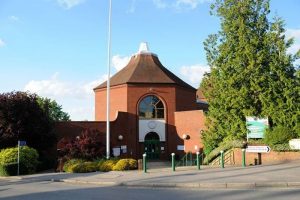
Mole Valley District Council offices in Dorking. (Credit: Google Street View)