
Epsom and Ewell Times
8th October 2026

ISSN, LDRS and IMPRESS logos

Local women’s health specialist on GTPS

Lady running

Greater Trochanteric Pain Syndrome (GTPS) is a prevalent condition, particularly affecting peri- and post-menopausal women. It causes significant discomfort in the soft tissue on the outside of the hip and can severely limit mobility. This article discusses the signs, causes, and management of GTPS, with a focus on why it predominantly affects women undergoing hormonal changes.


Luke Schembri is an Advanced Physiotherapy Practitioner working within the NHS, while also offering care to a limited number of private patients from his home. Born and raised in Epsom, he has always lived near Epsom Downs, which inspired his initial interest in the horseracing industry where he began his physiotherapy career. Luke is dedicated to delivering evidence-based, high-quality care to his local community. In addition, he authors a fortnightly blog that addresses health and wellbeing topics, particularly aimed at individuals over the age of 40.


What is Greater Trochanteric Pain Syndrome?

GTPS is characterized by pain and tenderness over the greater trochanter, a bony area on the outside of the hip. The condition involves inflammation of the gluteal tendons or bursa, and although it was once called trochanteric bursitis, the term GTPS is now preferred as it covers a broader range of tendon-related disorders.

Signs and Symptoms

The primary symptom of GTPS is pain over the lateral hip, which can radiate down the outer thigh. Key symptoms include:

– Lateral Hip Pain: Often worsened by activities like lying on the affected side, walking, or sitting in low chairs.

– Tenderness Over the Greater Trochanter: Touching this area typically causes discomfort.

– Pain with Activity: Repetitive movements, such as climbing stairs, exacerbate the pain.

– Night Pain: Pain at night is common, particularly when lying on the affected side.

– Weakness or Stiffness: Some may experience hip weakness or stiffness, affecting their gait.

Why is GTPS Most Common in Peri- and Post-Menopausal Women?

GTPS disproportionately affects women in peri- and post-menopause due to hormonal changes and mechanical stress on the hip. Here are the primary reasons:

Hormonal Changes

The decline in oestrogen during menopause impacts the health of tendons, ligaments, and muscles. Oestrogen plays a critical role in maintaining soft tissue integrity, and reduced levels lead to:

– Decreased Collagen Production: Collagen is essential for tendon strength and elasticity, and its decline makes tendons more prone to injury.

– Increased Tendon Stiffness: Lower oestrogen increases tendon stiffness, contributing to gluteal tendinopathies.

– Altered Pain Perception: Hormonal changes during menopause can heighten sensitivity to pain, worsening GTPS symptoms.

Mechanical Load and Changes

Other factors contributing to GTPS in menopausal women include:

– Increased Load on the Hip: Weight gain during menopause places more stress on the hip joints and surrounding tissues.

– Reduced Physical Activity: Lower activity levels can cause muscle weakness, altering hip mechanics and increasing the likelihood of tendon injuries.

– Altered Gait: Pain-induced changes in walking patterns can further strain the hip and lead to GTPS.

Treatment and Management of GTPS

Treatment for GTPS involves conservative methods, physiotherapy, and sometimes more invasive procedures, following the National Institute for Health and Care Excellence (NICE) guidelines, which recommend starting with non-invasive options.

1. Conservative Management

   – Rest and Activity Modification: Reducing activities that worsen symptoms, such as standing for long periods or lying on the affected side, is crucial. Using a pillow between the knees when sleeping may help alleviate pressure on the hip.

   – Non-Steroidal Anti-Inflammatory Drugs (NSAIDs): These medications can reduce pain and inflammation and are often recommended as initial treatment.

2. Physiotherapy

   Physiotherapy plays a key role in treating GTPS and involves:

   – Strengthening Exercises: Targeted exercises to strengthen the hip abductors, particularly the gluteus medius and minimus, improve hip stability and reduce strain on the tendons.

   – Manual Therapy: Techniques such as deep tissue massage and myofascial release can help relieve muscle tightness and provide short-term pain relief.

   – Education and Advice: Physiotherapists offer valuable guidance on managing activities and loading the hip joint to prevent further injury.

3. Shockwave Therapy

   Extracorporeal shockwave therapy (ESWT) is a non-invasive option that promotes healing by delivering shockwaves to the affected area. Some studies show positive outcomes for GTPS patients treated with ESWT.

4. Corticosteroid Injections

   For patients who do not respond to conservative treatments, corticosteroid injections may be used to reduce inflammation. However, repeated injections can weaken the tendons, so they are not a long-term solution.

5. Surgery

   Surgery is rare and reserved for severe cases where other treatments have failed. Options include removing the inflamed bursa or repairing the tendons.

Conclusion

Greater Trochanteric Pain Syndrome is a common condition that primarily affects peri- and post-menopausal women. Hormonal changes and mechanical stress on the hip contribute to its development. Effective treatment usually involves conservative management, physiotherapy, and sometimes shockwave therapy or injections. Early diagnosis and a tailored treatment plan can help alleviate symptoms, improve function, and enhance the quality of life for those affected by GTPS.



Housing Targets Spark Fierce Debate in Epsom and Ewell

Imagined housing etsate on Horton Farm Epsom

New Government proposals for housing targets have prompted a passionate response from local officials, community groups, and residents. The Government’s recent consultation on planning reform suggests a dramatic 41% increase in the number of homes to be built in Epsom and Ewell, a figure that has alarmed many and sparked fears of irreversible damage to the borough’s unique character and environment.

Councillor Neil Dallen MBE (RA Town Ward), Vice Chair of Licensing and Planning Policy, led the charge in voicing opposition to the Government’s proposals in a letter addressed to Angela Rayner MP, the Secretary of State for Housing, Communities and Local Government. Cllr Dallen’s letter paints a dire picture of the potential impact of the housing increase, emphasising that the proposed rise from 576 to 817 homes per year would place immense pressure on the borough’s already-stretched infrastructure and services.

“We are happy to ‘play our part’ and accept that some new housing is needed,” Dallen writes, acknowledging the need for development in line with local plans. However, he warned that the scale of the increase could “destroy our historic district and market town if they come to fruition.” According to Dallen, the increased housing numbers would lead to “endless planning by appeal, change the character of the district, and entirely undermine the plan-led system of Local Plans.”

Dallen also pointed to the significant challenges posed by the geography and heritage of Epsom and Ewell. “With around 50 per cent of the district as Green Belt,” he noted, there is already limited space for development. Protected areas such as Epsom Downs, Epsom Common, and Horton Country Park add further constraints, leaving “few available sites” for development. Dallen concluded his letter with a plea for the Government to consider the borough’s unique challenges and ensure that the final version of the new National Planning Policy Framework (NPPF) “does not do irreparable damage to valuable and historic parts of the Country.”

The sentiment expressed by Cllr Dallen has resonated with local residents and community groups, particularly the Epsom Green Belt Group, who have been vocal in their opposition to the housing targets. In a letter to the Epsom and Ewell Times, the group echoed Dallen’s concerns, calling the proposed target of 817 homes per year “undeliverable” and warning that the borough could face severe consequences if the plans proceed unchecked.

“Once it’s gone, it’s gone forever,” the group writes, referring to the potential loss of Green Belt land. They argue that the mandatory housing target would require building on 21 hectares of Green Belt land per year to achieve, an act that would “increase the housing in the Borough by 50% over the plan period,” bringing with it traffic problems, pressure on schools, and strain on local healthcare services.

The group points to the example of Elmbridge, another borough facing similar housing pressures, as a potential model for Epsom and Ewell to follow. In Elmbridge, the council submitted a draft local plan that restricted development to brownfield sites only, with no Green Belt sites included. Although the planning inspector raised concerns about Elmbridge’s plan, the Epsom Green Belt Group believes there are lessons to be learned. “Our draft Local Plan should be more prescriptive about what affordable and social housing is required from each site,” the group argues, suggesting that council-owned sites like Hook Road Car Park could be earmarked for 100% affordable housing.

The group’s letter also highlighted the importance of protecting the borough’s Green Belt, arguing that there are “no exceptional circumstances” that justify the release of Green Belt land for development. They urge the council to resist any voluntary agreements that would allow Green Belt development, emphasising that planning officers should be guided by a strategy put together by elected councillors.

The open letter from Epsom and Ewell BC, addressed to all residents of Epsom and Ewell, calls on the community to unite in opposition to the Government’s proposals. The group stresses that the scale of the housing increase could have devastating effects on the borough’s heritage and environment, and they urge residents to take action before it is too late. “We need your help to meet this threat to the historic and market town of Epsom & Ewell,” the letter states, encouraging local organisations and residents to respond to the Government consultation before it closes on 24th September.

Cllr Hannah Dalton, Chair of the Residents’ Association (RA) Group, which currently leads the council, has also spoken out against the Government’s housing proposals. Echoing the concerns raised by Dallen and the Epsom Green Belt Group, Dalton warned that the increased housing targets could “destroy our historic district and market town if they come to fruition.” She acknowledged the need for new housing but described the proposed numbers as “immense” and unsustainable. “The previous housing figures were already difficult to achieve and unfairly distributed across the country,” she said. “These new proposals make that even more difficult.”

Hannah Dalton also pointed to the borough’s high population density, noting that Epsom and Ewell is “over five times denser than the average in England.” With half of the district protected as Green Belt or other types of protected land, the scope for development is extremely limited. She stressed the importance of submitting a strong response to the Government’s consultation, outlining the “serious harm this scale of development will bring.”

The Council’s letter to residents, and the voices of councillors like Dallen and Dalton, underline the growing anxiety within Epsom and Ewell about the future of the borough. With the Government planning to publish a revised NPPF by Christmas, there is a palpable sense of urgency to the debate. The window for public consultation closes on 24th September, leaving little time for local residents and officials to make their voices heard.

As the consultation deadline approaches, many in the borough are calling for the Government to reconsider its housing targets and take a more measured approach to development. “You cannot squeeze a quart into a pint pot,” Cllr O’Donovan remarked, a sentiment that seems to encapsulate the feelings of many in the community. The next few months will be crucial in determining whether Epsom and Ewell can preserve its unique character while still accommodating the need for new homes.

Related reports:

Epsom and Ewell Brace for Government Housing Targets

Anchored in reason on local housing need?


Surrey Tory MPs against school fees VAT

Claire Coutino MP

Special Educational Needs families should be  exempt from Government plans put VAT on independent school fees, six Surrey MPs have said.

Claire Coutinho, Jeremy Hunt, Ben Spencer, Rebecca Paul, Greg Stafford and Lincoln Jopp argue in a open letter to the chancellor Rachel Reeves, that VAT on school fees misunderstands the sacrifices many families make to give their children a better life.

They said the 20 per cent increase would force parents to send their children to state schools and increase pressure on the system – applications from parents “transferring from independent schools” in Surrey jumped from 116 between November 2022 to August 2023, to 382 the following year when Labour’s VAT plans on private schools gained traction.

The Conservative Surrey MPs said price rises disproportionately affect educational needs pupils as 93,000 children at special independent schools do not have Education, Health and Care Plans (EHCP).

If their parents are unable to afford the increases, they argue, children would have to attend schools less able to cater to their complex situations.

The Treasury argues that ending tax breaks on private schools will help recruit 6,500 new teachers while children in local authorities where their needs can only be met in private schools will not have the fees apply to them. 

East Surrey MP, Claire Coutinho, said: “One in four children in Surrey attend an independent school.

“Their parents are saving the Government money by paying for their independent school, and paying for a state school place through their taxes. 

“To penalise them for this and increase pressure in the state system is wrong.

“As a former minister for special educational needs, I am acutely aware about the impact that Labour’s tax changes will have on children with special and complex needs. 

“These families, who have often faced uphill battles to find a school that meets their child’s needs, will now be taxed and many children who have settled in a school environment will be forced to move.

“Labour must reconsider this ideological policy and introduce an immediate exemption for SEND children.”

The Government argues that it has carefully considered the impact ending VAT will have on pupils, families and schools across both the state and private sector.

Ending tax breaks on private schools, it said, would help raise revenue to change education,.

 The Government  does not expect significant numbers to move to the state sector part way through the academic year, citing the stable number of children in independent schools since 2000 – despite a near 75 per cent “real terms increase”  in average private school fees over that time.

Pupils in independent schools, funded by local authorities because their needs can only be met privately, will not have the fees apply to them as the council’s will be able to reclaim the VAT.

A government spokesperson said: “We want to ensure all children have the best chance in life to succeed. Ending tax breaks on private schools will help to raise the revenue needed to fund our education priorities for next year, such as recruiting 6,500 new teachers.

“Fees for students with an Education, Health and Care Plan that states their needs cannot be met in the state sector will have their private school fees paid by the Local Authority that can then reclaim the VAT they pay.”

Relared reports:

Taxing question for Surrey’s private schools

Claire Coutinho MP for East Surrey


Keeping Good Company

Foodbank volunteers

Over the past 3 years we’ve been increasing our work to address the root causes of poverty in our community, while continuing to support those who need our help. This has hopefully contributed to a slight fall in foodbank use this year, although numbers are still much higher than a few years ago.

We have now opened our second Pantry and there have been increasing opportunities for us to influence and work with other organisations towards our vision of ending poverty in Surrey.

However, as we enter this Harvest season we are facing a number of challenges. Overall, our food donations are down, some of our funding has dried up, we have to be prepared in case foodbank use goes up again (with energy prices due rise) and we have both a higher number and more complex cases in our support work. Poverty is still very much in our midst.

The good news is that as we have developed our work and focused increasingly on prevention – trying to stop people getting to crisis point – preventing poverty is now very much getting on the agenda. Our End Poverty Pledge has picked up traction and gradually individuals and organisations are signing up and realising that to beat poverty we need to commit to actions and work together to change our culture.

This has been matched with our participation work which has grown mainly through the Poverty Truth Commission. With our commissioners we have produced a Short Guide to Participation, which includes some case studies to show how people with lived experience of poverty are shaping what we do and encouraging others to take the participation ‘journey’ too.

It’s an exciting time but we need to continue pushing so that we see a constant in the reduction in foodbank use, people escaping poverty and developing their resilience so as an organisation we are working ourselves out of a job!

This year we have seen some encouraging changes within our foodbank. In May we piloted a new foodbank model at one of our largest centres, after running 2 focus groups with both clients and volunteers. Our ‘Choose Your Food’ model seeks to recreate a shopping experience for our clients, where instead of being handed over a packed bag of food and toiletries, clients can now walk around with a shopping basket and select their own food and toiletries.

The positive impact of the new model has been felt across the whole of our foodbank operations. Our clients, who have consistently said they much prefer this model, not only because it helps make a foodbank visit more dignified but also because it means clients actively contribute to reducing food waste, by only taking the items they need and want, even when they are entitled to more.

Our volunteers, who have enjoyed greater engagement with clients as they choose their food. And, from an operational perspective, a decrease in stock sent to the centre. As clients are only taking what they need, they are actually taking less food. In the first 2 months following its launch, the amount of food taken per person has reduced by 20%.

We are now exploring how we can transition other centres to this model, so all our clients, across every foodbank centre, can share in the same experience.

With our Summer holiday period over and the restart of school, so too the foodbank is getting ready for a new Harvest season. Every year we are blessed to receive donations from schools and churches which help to keep our centres and pantries stocked for those in our community experiencing financial hardship. Whilst, so far in 2024,we have seen an encouraging decrease in numbers of people attending our centres, we know that with winter approaching, families and individuals will see their bills increase and many will need support to ensure they can access essentials, like food and toiletries.

Unfortunately, the first 6 months of 2024 saw an 18% reduction of stock in, compared to the same period in 2023. We rely on the generous and faithful donations of our community to help us secure the stock we need to continue supporting families and individuals through our food provision projects.

If you would like to organise a food donation this Harvest, see our 2024 wishlist below. Please click on this link for a list of our donation points. If you are organising a delivery directly to our hub (Good Company Hub, Ruxley Lane KT19 0JG), please let us know by contacting us on foodbank@goodcompany.org.uk

New Chair of Trustees needed!
A fantastic opportunity for someone who is passionate about helping people locally and being part of our vision to see a community free from poverty.

Fundraising Manager role

We’re looking for an experienced, creative and proactive Fundraising Manager who is passionate about our vision to create a poverty-free future for our community.

Jonathan Lees
Founder and Managing Director, Good Company

For more information visit

Good Company – Supporting Our Community


Surrey child misses two years of education

Surrey County Council HQ

A child missed out on two years of education due to shortages in SEND school places. Surrey County Council (SCC) has been forced to pay a mum almost £11,000 after the social ombudsman ruled there had been “excessive delay” in providing full-time suitable academic tuition.

Even as the decision was issued on 24 June, the child – who is also disabled – was still without a specialist educational placement. The local authority was found to have made a “service failure” as the child has received no academic tuition since Autumn 2022. SCC said they accept the ombudsman’s findings and sincerely apologise for any distress caused.

The ombudsman’s damning statement said: “As well as the failure to provide a school place and special educational provision, the Council failed to provide the usual education that all children expect to receive.” The report added: “The fault has caused significant injustice to the whole family and loss of education to the child.”

The mum, named Ms X in the report, complained the child’s special educational needs and disability (SEND) requirements were not being met at school. Banned from school in autumn 2022 due to their behaviour, the child received 1.5 days of alternative provision for months. The education was centred on holistic development like building confidence and creativity rather than formal academic education, according to the report.

Ms X complained to the Council in Spring 2023 that her child was not receiving any academic tuition during this period. SCC responded in Summer 2023 that a full time school place was being funded but the Council recognised Ms X’s child was not attending. SCC recognised its education offer was inadequate and agreed to increase it, offering £2400 payment to acknowledge the loss of education from Autumn 2022 to June 2023.

Despite recognising the provision was unsuitable, the ombudsman said the council had “allowed the same fault and injustice to continue from June 2023 to date”. The ombudsman judged it should not have been necessary for Ms X to come to the Ombudsman as the council “should have fixed the problems upstream”.

Legal duty remained with the council so SCC should not have relied on sourcing alternative education to the specialist school. According to the report, SCC “failed” to provide the child with special education support during their time out of school. SCC was also found wanting in showing how it tried to eliminate discrimination and advance opportunities to support the disabled child.

SCC argued that the school staff knew Ms X’s child best, but accepted it should have monitored this more closely and the provision has a ‘lack of academic focus’. SCC will pay £8,800 to Ms X, on behalf of her child, to acknowledge the impact of the lost education, calculated at £1600 per term for 5.5 terms. If SCC’s previous compensation offer of £2,400 has been paid this will be deducted.

In Autumn 2022, SCC held an annual review of the child’s educational, health and care plan (EHCP) in autumn 2022. The final review was completed in Autumn 2023, a whole year after the annual review meeting. The legal timeline for the plan to be completed is 12 weeks, yet SCC delivered the plan in 12 months. The ombudsman found the delay “excessive” and a service failure from SCC. Ms X initially received £300 to compensate for the EHCP delay in 2023, and was granted a further £200 by the ombudsman.

Despite having a year to find a specialist school place, SCC did not name a school in its new EHCP and only listed the type of school as ‘specialist’. SCC was criticised for an “excessive delay” and “service failure” in failing its legal duty to find a school placement, as only five schools were contacted in fifteen months. According to the report, there were long gaps when no consultations were sent.

SCC tried to get a specialist school placement for the next academic year (2024/25), consulting four schools last winter and during spring 2024. But Ms X said there was “no expectation” for her child to return to school for the 2024 summer term. During this time the child was still only receiving 1.5hrs of education a week.

The ombudsman said it would “expect councils to make a sustained effort to find a place for a child”, expanding its search to a wider area and independent schools if no place could be found. Although it was appreciated the number of specialist places was a national problem, the ombudsman said SCC had failed in its service.

Ms X told the ombudsman that she tries to teach her child with academic workbooks, but she does not feel equipped to do so, and that sometimes it is difficult to get her child to cooperate. Due to the time her child has now been out of school and becoming “socially isolated”, the mum said there would need to be a gradual introduction of academic work with tutors taking time to build up her child’s trust.

Ms X added the situation has impacted her other child as they cannot attend clubs or activities due to caring demands of their sibling. Ms X said she had been unable to return to work as her child has been out of school for 5.5 terms and now her income is half what it was when both her children were in school.

The ombudsman ruled “the fault has caused significant injustice to the whole family and loss of education to the child.” The report said Ms X provided additional hours of unpaid care every week to her child, which she might have been eligible for support. SCC will pay Ms X £1500 for the impact of her being unable to work, the additional caring demands, the uncertainty and frustration for the period her child has been without education.

SCC is unable to comment on any individual children specifically, but said it is “working hard to improve services”. The Leader of SCC, Tim Oliver highlighted that the most recent Local Area SEND Inspection noted progress is underway at the council.

Tim Oliver said: “We accept the findings from the Ombudsman report and sincerely apologise for any distress caused. I am aware that the Council has not always got things right for all families, that the support and service that some children with additional needs and disabilities and their families receive is not always of the standard that we would expect, and that our communication with parents and carers needs some improvement, and I am sorry about that.”

He added: “We know how important access to full time education is for all children to support their development and wellbeing, including when this must be provided outside of school”. Mr Oliver said SCC has been reviewing its arrangements for Alternative Provision in situations where young people are unable to attend school. SCC is also pursuing a multi-million capital programme to increase the availability of, and access to high quality specialist school provision across the county.

SCC said it is treating timeliness of EHCPs as a priority and has committed to spending £15m over three years to increase the capacity for key teams for EHCP. Mr Oliver said: “In line with our multi-agency EHCP Recovery Plan, we have been working hard to complete all delayed assessments and annual reviews alongside managing new applications.”

He added: “We are working closely with partners to ensure any support agreed in these plans is provided as quickly as possible, and we are committed to listening to the views of families in the completion of annual reviews and key transitions to improve outcomes for children and young people with additional needs and disabilities so that they are happy, healthy, safe and confident about their future.”

Image: Surrey County Council headquarters. Credit: Emily Coady-Stemp


Surrey’s 3 Unis and Council leaving no one behind

Surrey University

Surrey County Council, in partnership with Surrey’s three leading universities – Royal Holloway, University of London; University for the Creative Arts; and the University of Surrey – is proud to announce the launch of a new Civic Agreement for Surrey.  

This groundbreaking initiative defines a shared commitment for these organisations to work collaboratively in the interests of the wider Surrey community: ensuring that no one is left behind.  

By pooling resources and expertise, the partners believe they are better placed to address local needs, drive innovation, and create a more inclusive and resilient Surrey by 2030.  

The Civic Agreement will be formally signed at an event in Woking today (Friday September 20, 2024).  

It will serve as a public commitment to working together to bring about real and positive change to the people who live, learn and work in our communities across the county 

Details are set out in a 32-page formal document which defines shared priorities, objectives, programmes of work and future ambitions.  

All will be delivered against four shared priorities, which are:   

  • Growing a sustainable economy so everyone can benefit. 

  • Tackling health inequality. 

  • Enabling a greener future. 

  • Empowered & thriving communities. 

Tim Oliver OBE, Leader of the Council, Surrey County Council, said: “Surrey’s universities are engines for regional innovation, with a profound impact across all four strategic priorities. The partners are committed to ensuring our residents, communities and businesses can easily access and benefit from our range of innovation organisations, assets, and networks. These all play a part in addressing the four objectives of our agreement, and ensuring that no one is left behind.” 

Prof. Max Lu, President and Vice-Chancellor of University of Surrey, said:  “The University of Surrey has a proud track record of collaborating with local government and university partners to address issues that matter to Guildford and the wider Surrey community. One recent example is the Games and Innovation Nexus Project, partnering with University for the Creative Arts, Surrey County Council and Warwick University. Other examples include our Centre for Doctoral Training in AI for Digital Media Inclusion, in partnership with Royal Holloway University of London. We welcome the strengthening of these ties through the Civic Agreement for Surrey, ensuring the breadth and depth of our expertise from our Institutes for Sustainability and People-Centred AI, and all our schools, and companies on our Surrey Research Park continue to enable our community to grow and thrive.”  

Prof. Julie Sanders, Vice-Chancellor and Principal, Royal Holloway, University of London, said:  “As a University of Social Purpose, we want to take a proactive role in tackling societal changes, enabling sustainable social and economic growth, and improving skills and opportunities for those in our community. Our inclusive education and research has a focus on achieving positive benefits for and with our local community, and our collaboration with academic partners, community groups, schools and local government brings investment, jobs and opportunity to Surrey. As well as through the Centre for Doctoral Training with the University of Surrey and its emphasis on digital inclusion, this effort is integral to the CoSTAR project, which seeks to ensure the UK’s screen and performance industries have the infrastructure, research and innovation skills to compete globally. Declaring our public agenda through the Civic Agreement for Surrey will amplify the positive role the university can play in the region.”  

Prof. Jane Roscoe, President and Vice-Chancellor, University for the Creative Arts, said:  

“As a leading creative university, the University for the Creative Arts plays a pivotal role in driving innovation across the arts, technology and business. Through our partnerships with local government, businesses and fellow academic institutions, we are committed to ensuring that creativity remains at the heart of Surrey’s economic and social growth. Our involvement in initiatives like the Games and Innovation Nexus (GAIN) project, alongside Surrey County Council and our university partners, is just one example of how we can harness creative thinking to solve real-world challenges. The Civic Agreement for Surrey reflects our dedication to fostering a creative and inclusive environment that empowers individuals, enriches communities and drives regional innovation.” 

Today’s launch of the Civic Agreement for Surrey is very much the first step in a long-term collaboration that includes every part of Surrey.  

We welcome further engagement from community stakeholders, businesses, and residents who share an interest in advancing the shared priorities and objectives set out in our civic agreement. 

Details on how the community can get involved will be shared in the coming months. 

A video explaining the commitment is also available on each of the partners’ websites.  

For more information on the Civic Agreement for Surrey and how you can get involved, contact: civicagreement@surreycc.gov.uk   


Gatwick expansion update

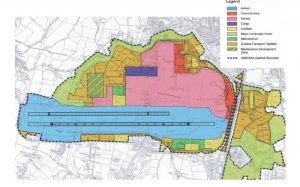
Gatwick expansion plans

Local authorities have said they will not support Gatwick Airport’s plans to expand unless its growth is dependent on meeting environmental and noise targets. 

According to legal documents, the impacted councils are concerned that there is currently a “lack of sanction” against Gatwick if the growth of the airport exceeds expected environmental guidelines without clear accountability. 

Airport chiefs at Gatwick, the country’s second busiest airport, want to modify its northern runway so that it can increase passenger numbers to about 75 million a year on 386,000 flights. It says this will help minimise delays, bring in about £1 billion into the region’s economy every year, and create 14,000 jobs – all while staying within agreed noise levels. It also has a carbon action plan for how the airport will be net zero for its own emissions by 2030, with aviation emissions excluded.

Gatwick Airport has applied for a Development Consent Order (DCO), a legal document that allows the construction of major infrastructure projects. Part of the process requires the applicant to show the planning inspector how it will mitigate the impact of the development. 

The airport’s current position is that the impact from the growth of the runways will be controlled by an air noise envelope (a way to limit sound) an annual cap of 386,000 commercial air transport movements, surface access commitments/SACs (55 per cent people accessing the airport by public transport by 2040) and a carbon action plan (to reduce carbon footprint).

Councils such as Crawley Borough, West Sussex County, Surrey County, Reigate and Banstead Borough, Mole Valley District and Tandridge (together the JLA) have been consulted on the proposals and have written to both Gatwick Airport and the planning inspector with recommendations.

The JLA say they are “concerned” that the current project “will impose unjustified adverse impacts on local communities, local businesses, and the receiving environment”. The group disagree with the Planning Inspectorate’s recommendations for the major development and believes it does not go far enough to address their concerns. 

Instead, the JLA has put forward an approach where any increase in passenger numbers would be dependent on Gatwick Airport’s achievement of specific targets which would avoid, limit and reduce impacts of the project. The group said that if all their recommended measures were adopted, including the Environmentally Managed Growth framework (EMG), they would “not object”. 

Under the JLAs’ proposed approach, Gatwick Airport would be required to continually monitor and regularly report on the extent of the environmental effects associated with the airport in the four areas: noise, air quality, greenhouse gases and surface access. In each of the cases, the JLAs say they want to ensure Gatwick meet their specific targets and are held accountable, to prevent the airport expanding at any cost. 

The group has proposed a tier system in which to monitor potential breaches in environmental commitments. For instance, if air quality or green gas emissions go above a certain point (level 1), Gatwick will review the current measures and work on mitigation. Then, if air quality gets increasingly poorer (level 2), Gatwick will review its pollutant contributions and introduce mitigation measures, perhaps preventing further capacity. If the limit for air pollution is breached, further mitigation would be required to solve the problem and no more aeroplane flight slots will be allocated. 

The JLAs also want further clarity on the impacted areas exposed to higher levels of aircraft noise, especially areas where noise could wake people up. Measures should also be applied to give Gatwick Airport an incentive to transition to quieter aircraft and noise insulation as soon as possible, according to the JLA’s statement. The JLAs also want to secure night time controls for flying.

The examination of the proposed DCO closed on August 27. The Planning Inspectorate will make a recommendation to the Secretary of State for Transport, who will then make a final decision on or before February 27.

A London Gatwick spokesperson said: “We are fully committed to making sure the airport’s growth is sustainable. London Gatwick has thoroughly assessed the environmental impacts of its growth plans, which include environmental mitigations related to noise, carbon emissions and surface access improvements.

“As part of our sustainability policy we are committed to reaching net zero for our own scope one and two admissions by 2030, as well as continuing to reduce overall energy use, invest in on-site renewable energy, and continuing to source 100% renewable electricity.

“London Gatwick is delighted with the strong support shown by many local people and businesses during the recent hearings, who all voiced their desire to see the airport grow for the economic benefit of the area. We thank them for their ongoing support.”

Related reports:

Gatwick Airport Expansion

Gatwick 2nd runway sneaking in?

Gatwick expansion plans revealed

Gatwick to get 2nd runway?

Gatwick Plans (Image PINS / Gatwick)


Surrey Coroner calls for action over ambulance wait

A Surrey Ambulance

The death of a man who waited more than three hours for an ambulance has prompted calls from a coroner for quicker clinical assessments.

Philip Ross died at the Royal Surrey County Hospital on December 19 2023 after a fall in his home on December 3. 

Surrey’s assistant coroner Susan Ridge ruled that Mr Ross died of multiple organ failure after his accidental fall. Ms Ridge said she was concerned South East Coast Ambulance Service NHS Foundation Trust (SECAmb) has not shown evidence that its timeline for clinical validation is being met, as in this case.

Clinical validation is when a case is sent to a clinician to decide the best response for the patient at the right time.

Mr Ross’ wife called an ambulance at 11:25pm after her husband had a fall and was unable to move. Initially, Mr Ross’ case was labelled by SECAmb as Category 3, which would have a response time of 120 minutes, or two hours. Paramedics did not arrive until 2:30am, the Prevention of Future Death report stated.

During the wait, Mrs Ross made “a number of increasingly anxious calls to the ambulance service” about the urgency to help her deteriorating husband, according to the report. 

Ms Ridge said Category 3 cases had a response time of 120 minutes and SECAmb aimed to validate these calls with a clinician within 90 minutes. But the NHS Trust’s target was not met in this case.

“No clinical validation of the calls took place until well over 2 hours from the initial call,” Ms Ridge said. The court heard the delays came from a “surge” in the number of calls as well as a lack of available clinical staff or “clinical hours”.

Categories 3 and 4 are judged as less serious cases and so have longer required response times from ambulances. However, this can become extended even longer at times of high demand. 

The report stated: “Because of these potentially long response times, timely clinical validation is important to ensure correct categorisation and/or identify a deteriorating situation.”

The coroner said she is concerned that late or delayed assessment and sorting of these initially ‘less serious’ cases is “placing patients at risk of early death”. 

The ambulance service has 56 days from 16 September to respond to the coroner’s report. 

A SECAmb spokesperson said: “Our thoughts and condolences are with Mr Ross’s family. We are very sorry that we were not able to respond to him more quickly.

“We recognise that there are times when we are taking longer than we should to respond to some calls and are working hard to address this and improve performance across all categories of call. Having recently been written to by the coroner, we will respond in full to her within the requested timeframes.”

Image: South East Coast Ambulance vehicle example. (Credit: Emily Dalton/LDRS)


Surrey’s outstanding beauty expanding?

Surrey Hills National Landscape, Frensham Ponds (Image Natural England/ LYDIA2)

The Surrey Hills could be made significantly larger as Natural England considers expanding the borders of the county’s “iconic and beautiful” landscape.

Each year millions of people are drawn to Surrey’s “views and beauty” as they search out rare habitats and ancient woodlands – not to mention locations from Hollywood hits – and now moves are afoot to protect even more of Surrey’s cultural heritage.

A consultation has been launched on expanding the Surrey Hills, with up to 27 new areas brought under the label, that could result in the area of outstanding natural beauty being made up to 30 per cent larger.

That figure includes the potential 13 “minor areas” that could be removed from the protection afforded by the designation.

An area of outstanding natural beauty are protected by the Countryside and Rights of Way Act 2000 to conserve and enhance natural beauty. Any planning proposals submitted in these areas must have regard for the purpose of conserving and enhancing the natural beauty of the Surrey Hills.

Nature England area deputy director Allison Potts said: “If the proposed areas are added to the Surrey Hills National Landscape, this could bring many benefits including conserving and enhancing the natural and cultural heritage, as well as the views and beauty of the area.

“It will give improved access to nature for the benefit of people’s health and wellbeing whilst boosting economic growth and local tourism and safeguard a nationally important landscape for future generations. 

“All on the doorstep of London.” 

The Surrey Hills, described by Natural England as “an iconic and beautiful landscape encompassing rare habitats from acid and chalk grassland to extensive ancient woodland” is enjoyed by millions of residents and visitors. 

It stretches across the county and includes the chalk slopes of the North Downs from Farnham at its furthermost western point to Oxted in the east. Its southern boundary stretches to the densely wooded Greensand Hills around Haslemere.   

The consultation features an online survey as well as a series of roadshows to help Natural England consider whether to approve a draft designation order to include new land within the national landscape.  

It is the first time the Surrey Hills boundary has been reviewed since its original designation in 1958 and comes after a number of borough and district councils began designating areas bordering the Surrey Hills as Areas of Great Landscape Value in recognition of their value at a county level. 

Natural England, after a formal request by the Surrey Hills National Landscape Board, will now consider whether these and others should be included within the designation.

If successful it would still require approval from the secretary of state for environment, food and rural affairs. 

In 2023, more than 1,500  individuals and organisations responded to the survey to express their views on the future of the Surrey Hills.

Of those, an overwhelming majority supported the extensions, Natural England said.

Ms Potts added: “If the proposed areas are added to the Surrey Hills National Landscape, this could bring many benefits including conserving and enhancing the natural and cultural heritage, as well as the views and beauty of the area. 

“It will give improved access to nature for the benefit of people’s health and wellbeing whilst boosting economic growth and local tourism and safeguard a nationally important landscape for future generations. All on the doorstep of London.” 

 Areas under consideration include Wey Valley  Hogs Back Cranleigh Waters, Hatchlands and East Clandon as well as  Headley Hill Limpsfield, Betchworth Hills and Mole Valley

Image: Surrey Hills National Landscape, Frensham Ponds (Image Natural England/ LYDIA2)


Epsom landlord fined for neglect

Landlord to payout £32k after pleading guilty to 48 charges that left tenants at risk (image RBBC)

A bedsit landlord who repeatedly ignored warnings to fix flats dubbed “cold”, “damp”, “filthy”, and a “firetrap” has been hit with a court bill approaching £32,000.

Epsom Pars Limited, which runs a 21-room house in multiple occupation (HMO) near Epsom Downs was ordered to pay the fines and costs by Staines Magistrates’ Court after they pleaded guilty to 48 criminal charges.

The case was brought forward by Reigate and Banstead Borough Council after the landlord repeatedly ignored warnings to carry out improvement works to the property.

Councillor Rich Michalowski, executive member for place, planning and regulatory services said: “This case underscores the importance of landlords being held accountable to ensure tenants are living in safe, well-maintained homes. 

“Reigate and Banstead enforcement teams, armed with legal powers, will continue to take action against those who fail to meet the legal standards, ensuring that unsafe and unfit housing has no place in our borough.”

The company was ordered to pay fines, costs, and a victim surcharge totalling £31,840. The charges included various forms of disrepair and fire safety offences, the council said. 

The prosecution comes on the back of  months of exchanges between the landlord and the council.

During that time officers from the private sector housing team were said to have repeatedly warned the landlord against its continued non-compliance that left people living in  “cold”, “damp”, “filthy”  “firetrap” of a property.

During sentencing, magistrates spoke of the “repeated, unacceptable non-compliance” and noted that the  problems identified had put tenants at risk, according to a council statement.

Image RBBC


Will Surrey reporting tool fill the pot-holes?

Pothole in Woodcote Road Epsom

Surrey County Council’s new ‘FixMyStreet’ online reporting tool will now make it easier for residents to report potholes, faulty traffic signals and other street defects, following its launch today (Tuesday 17 September).

FixMyStreet allows people to quickly and simply report issues in their area which need fixing, cleaning or clearing. Accessed via Surrey County Council’s website, residents are also able to see issues which have already been reported, to sign up for local updates and to track the progress of repairs using their mobile phone or other device.

Matt Furniss, Cabinet Member for Highways, Transport and Economic Growth said, “We’re very aware that well-maintained roads are highly important to our residents. This is why here in Surrey, we’re investing nearly £300m in repairing and improving Surrey’s roads and pavements by 2028.

“Introducing the ‘FixMyStreet’ platform is another example of our continued investment in our vital highways service. This new reporting platform will make it easier for people to report potholes and other defects, and to check the progress of all repairs in their local area.

“Keeping Surrey’s busy road network moving and investing in improving our roads continue to be top priorities for Surrey County Council.”

To report an issue and see existing reports in your area, visit https://tellus.surreycc.gov.uk/

Related reports:

Don’t blame us for potholes say Surrey’s highway authority.

90% of Surrey road hole damage claims go to pot

Prevention costs less than cures…..

Image: Pothole in Woodcote Road Epsom. Copyright Epsom and Ewell Times


Surrey multiplies to subtract innumerate numbers

Free, flexible Multiply courses are now available for Surrey residents who would like to improve their confidence using numbers.

Around half of the UK working age population don’t have strong numeracy skills, or don’t feel confident about working with numbers.  

Now Surrey residents can do something about it without having to go back to the classroom, (unless you want to). Multiply courses are a diverse range of free, flexible courses that have been created to help plug the numeracy gap.

They come in many different shapes and sizes, so if classrooms aren’t your thing, and you’d rather do some cooking or gardening, that’s absolutely possible. Or if you need it to fit in around your work and home life, that’s possible too, with flexible online courses available. There’s a Multiply course to suit everyone – from those who just want to feel a bit more confident with numbers in their everyday life, to those who want to get a new qualification, get a better-paying job and further their career. 

Multiply courses are funded by the UK government and delivered by a range of providers overseen by Surrey County Council. Courses range from a couple of hours online, to several weeks with in-person tutoring. With a total of 15 providers and over 35 courses available (with more being added soon), there’s something to suit everyone.

Individuals can sign up for a Multiply course to suit their needs, and businesses can also nominate staff who would benefit from improving their numeracy skills. The full range of courses can be seen on the Surrey County Council website with many created to fill the needs of specific industries, such as construction, healthcare and early years.

Clare Curran, Surrey County Council’s Cabinet Member Children, Families, and Lifelong learning, said: “Multiply courses are another tool from our skills toolbox to help improve economic outcomes for residents and businesses in Surrey. Strong numeracy skills are essential to help residents reach their potential, and businesses whose workforces are number confident can boost productivity, increase profits, and improve employee retention.

“Supporting local people to improve their numeracy skills is not only beneficial at the individual level, but also good for our communities and our economy – leading to a better quality of life for all, ensuring no one is left behind.”

Courses are starting now and will run until the end of March 2025. To qualify, learners must be based in Surrey, aged 19 or over, and not currently have a GCSE (or equivalent) in Maths.

Multiply courses can also be used by local businesses to upskill current employees, at no cost to either the learner or the business.

A full list of courses and start dates can be found on the Surrey County Council website.

Register your interest at https//:www.surreycc.gov.uk/multiply  

Image: Preply.com Images licence