
Epsom and Ewell Times
26th November 2026

ISSN, LDRS and IMPRESS logos

See-saw debate on whether Epsom and Ewell Borough Council’s budget is balanced

Councillors sitting on a see-saw outside the Town Hall Epsom. Cartoon.
Inside the Claims and Counter-Claims at EEBC’s 2026/27 Budget Meeting

Epsom & Ewell Borough Council (EEBC) declared Tuesday (10th February) that it has delivered a “balanced budget without the use of reserves” for 2026/27.

The ruling Residents’ Association (RA) described it as the culmination of decades of prudent financial management. Opposition councillors from Labour, Liberal Democrat and Independent benches described something rather different: a one-year balancing act achieved by withdrawing revenue support for maintenance and capital projects, while pushing structural deficits into the future and increasing council tax to the legal maximum.

“Balanced Without the Use of Reserves” — What Does That Mean?

The morning after the meeting, EEBC issued a press release stating that the final budget had been “balanced without the use of reserves” following “£700,000-worth of savings” and a more favourable government funding settlement, particularly relating to temporary accommodation costs.

In the chamber, Cllr Neil Dallen (RA Town), Chair of Strategy & Resources, framed the result as both fiscally responsible and stable: “We have produced a balanced budget without using reserves… while ensuring the borough’s finances are stable.”

Cllr Clive Woodbridge (RA Ewell Village) went further, calling EEBC: “an island of financial calm and stability” and describing the budget as “balanced… with no cuts… the continuation and culmination of decades of sound RA-led financial management.”

On the face of it, the claim is correct — in Year 1. The budget report states that, following savings and funding uplifts, the council has set a balanced budget for 2026/27.

However, the same report pack makes clear that this balance applies to the first year only. The medium-term financial strategy still shows a projected gap of approximately £0.206m in Year 2 and £0.373m in Year 3 — around £0.579m in total across the later years of the plan. The Section 151 Officer’s robustness statement acknowledges that the estimated gap by 2028/29 remains in the region of £0.56m–£0.57m.

So the question is not whether Year 1 balances — it does — but whether the structural challenge has been solved or merely deferred.

From £5 Million Gap to £579,000 — How Was It Done?

Back in July 2025, the projected three-year funding gap stood at £5.063 million. By February 2026, that gap had reduced to £0.579 million.

The improvement is attributed to three principal factors:

  1. A favourable uplift in Revenue Support Grant (around £1.4 million) under revised funding formulae.*
  2. Extended Producer Responsibility (EPR) funding that exceeded expectations — around £1.08 million received versus £0.337 million forecast. [Click here for an Epsom and Ewell Times guide to EPR.]
  3. Approximately £700,000 of savings achieved largely by removing planned revenue contributions toward capital projects and maintenance budgets.

The opposition did not dispute the arithmetic. They disputed the sustainability.

Liberal Democrat Warning: “We Are No Longer Maintaining Our Assets”

Cllr James Lawrence (Lib Dem College) delivered the most detailed financial critique of the evening. Referring directly to the budget papers, he acknowledged that the headline gap had fallen dramatically — but argued the method used to close it was deeply concerning.

He told Council: “We have 930k of savings being put forth for this year, 700,000 of that is because we’re no longer putting any revenue contributions towards our capital projects, and we’re not putting any towards our maintenance projects… That is 700,000 this year and all future years that we are not putting towards repairing and maintaining our buildings and capital assets.”

In other words, the largest element of recurring savings is the removal of revenue support for asset upkeep.

Lawrence also criticised what he described as unrealistic budgeting assumptions on temporary accommodation numbers the previous year, stating that predictions had been far below actual demand. He argued that the in-year deficit had only been reduced from around £900,000 to £500,000 because: “we took 400,000 out of the Rainbow Leisure Centre contingency.”

That reference would become a flashpoint later in the debate.

Temporary Accommodation: Windfall or Long-Overdue Reimbursement?

Homelessness spending sits at the heart of this budget story. The report pack acknowledges that 2025/26 is forecast to end with a deficit of around £520,000, largely due to housing and homelessness pressures, with a £750,000 increase built into 2026/27 for nightly paid accommodation.

The RA’s defence is that central government has finally begun to recognise real costs through revised funding formulae. Cllr Dallen told Council: “For years, they haven’t [paid], and we have been subsidizing that service by millions of pounds… The one and a half million they’ve given us still doesn’t cover the cost… So it’s not a windfall. It is actually starting to pay what they should be paying for homelessness.”

Opposition councillors saw it differently.

Cllr Chris Ames (Labour Court) argued that the scale of temporary accommodation expenditure reflected years of policy failure: “The council is spending huge amounts… on managing a homelessness problem, largely of its own making… People should be housed in permanent homes, not expensive temporary accommodation.”

Cllr Kate Chinn (Labour Court) added that prevention should sit “at the heart of our budget as a serious financial and moral commitment.”

The debate therefore split along a clear line: RA framing increased grant as overdue reimbursement; Labour framing homelessness spending as structural failure.

Council Tax: “Expected by Government” or “Squeezing Residents”?

The budget applies a 2.98% council tax increase — effectively the maximum allowed without triggering a referendum.

Cllr Dallen told Council that government “expects us to raise council tax by this amount,” warning that failure to do so could have grant consequences.

The report pack itself notes that the funding settlement assumes councils apply maximum Band D increases and deliver taxbase growth.

But Cllr Chinn challenged the choice: “The RA are again proposing residents pay the maximum increase allowed… this council should be reducing the pressure… not adding further costs.”

The political divide here is clear: RA sees the increase as prudent and necessary; opposition sees it as avoidable and poorly timed during cost-of-living pressures.

The Strategic Priorities Reserve — A Missed Opportunity?

One of the most substantive amendments came from Cllr Lawrence, seconded by Ruxley Independent Cllr Alex Coley, proposing that the Strategic Priorities Reserve — originally funded with approximately £2.3 million and still containing around £1.6 million unallocated — be dissolved and transferred to general reserves.

Lawrence argued that, with local government reorganisation and a shadow authority imminent, earmarking funds for long-term “wish list” projects no longer made sense.

Coley supported him: “I just don’t see the reason for keeping this money out of our general reserves any longer.”

Cllr Dallen rejected the amendment, invoking process: “We have a financial strategy advisory group… to suddenly have a knee jerk reaction at a council meeting where officers are not allowed to speak… I think is crazy… We have proper processes.”

The amendment failed. The reserve remains intact.

The deeper issue: what constitutes prudence at the end of a council’s life — ring-fenced ambition, or flexible liquidity?

Rainbow Leisure Centre — The Unresolved Liability

During debate, Cllr Ames alleged that the transfer of Rainbow Leisure Centre to a new operator could leave the council facing: “a bill of around half a million pounds plus legal costs.”

Lawrence’s separate reference to drawing £400,000 from the Rainbow contingency fund amplified the concern.

The budget papers do not explicitly quantify any final Rainbow liability within the headline figures, and no detailed rebuttal was provided during the meeting.

For residents, the question is simple: if liabilities exist, where do they sit within the risk assessment of the medium-term plan?

Reserves: Not Used — But Still Doing the Heavy Lifting

The claim that the 2026/27 budget is balanced without reserves is technically correct. However, the report pack confirms that 2025/26 is forecast to close with a deficit to be managed through earmarked reserves, while the General Fund reserve stands at £1.555m — only £55,000 above the council’s stated minimum threshold of £1.5m.

The distinction is important. “No reserves used in 2026/27” does not mean reserves are irrelevant to the council’s overall financial stability.

The Vote — And What It Revealed

The budget passed on a recorded division: 19 in favour, 10 against, one abstention.

Cllr Julian Freeman (LibDem College) criticised what he described as bloc voting by the RA: “Residents councillors just voting along with their group.”

The RA closed ranks. Opposition parties voted against.

So — Balanced, or Balanced for Now?

The 2026/27 budget does balance in accounting terms.

But it does so through a combination of:
• Exceptional government funding uplifts.
• Removal of recurring revenue support for capital and maintenance.
• Maximum council tax increase.
• Deferral of structural gaps into later years.

The ruling group describes this as prudent stewardship at the end of an administration.

Opposition councillors describe it as a one-year fix achieved by stopping maintenance contributions and raising tax while underlying pressures remain.

With local government reorganisation approaching and a shadow authority soon to assume control, the final judgement may not be made by this council at all — but by its successor.

Sam Jones – Reporter

Image: Any resemblance to any particular councillor is random and their position on the see-saw is not indicative of whether they supported the budget or not.

*A general grant paid by central government to local authorities to help fund their day-to-day services, with no requirement that it be spent on any specific activity

Related reports:

Cllr Dallen accused of £1/2 m Epsom & Ewell Council cover-up

Ewell’s Bourne Hall plans knocked back by scrutiny

Epsom and Ewell Borough Council claws back millions to balance books before government shakeup

Process matters — but so does the balance sheet

Epsom and Ewell Borough Council reveals scale of vacancies and agency costs
Epsom reserves vs investment


Ewell’s Bourne Hall plans knocked back by scrutiny

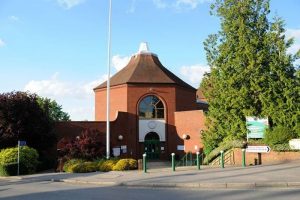
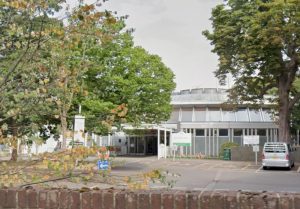
View of Bourne Hall and Museum, Spring Street, Ewell. (Credit: Google Street View)

A council decision to invest in the future of Bourne Hall Museum has been sent back to the drawing board after councillors ruled it was made without all the relevant information being made public.

The decision, taken unanimously by the Epsom and Ewell Borough Council’s Community and Wellbeing Committee in January, backed plans to improve the museum rather than close it or leave it as it is. But at an Audit and Scrutiny Committee meeting last week, councillors voted to halt that decision and refer it back, arguing key reports were missing when the original choice was made.

At the heart of the row are two reports commissioned using public money: a service review by an external consultant and a Cultural Peer Challenge by the Local Government Association (LGA). Both were repeatedly referenced in the January committee report and described as providing “valuable insights” and a “blueprint” for the museum’s future but yet neither was included in the public agenda papers. Even for the call-in meeting, the essential reports were not published in full.

Cllr Alex Coley, (Independent Ruxley) who called in the decision, said councillors were effectively being asked to vote blind. He told the scrutiny committee that members had been promised the reports would be published but they never appeared before the meeting. “None of us know what’s in the service review, so none of us can tell how this might have influenced the decision,” he said. “Either we do things properly or they get done again.”

Other councillors backed that view, raising concerns not just about missing information but about transparency for the public. Cllr Chris Ames (Labour Court) warned it may be unlawful to rely on background documents without publishing them, adding that members of the public watching the meeting had no way of knowing what evidence councillors were relying on.

He highlighted one finding from the LGA report that was not clearly reflected in the summary given to councillors, that the museum’s finances were “skewed” by how building and central council costs were allocated, potentially giving a misleading picture of how expensive it is to run. “That’s absolutely crucial information,” he said.

Council officers and the committee chair argued that all the important points from the reports had been summarised and that the final decision, to invest rather than close, matched the reports’ overall conclusions. They also said funding would still need to be approved by another committee.

But scrutiny councillors stressed their role was not to re-argue the museum’s future, but to decide whether the original committee had all the evidence it should have had at the time. In the end, they voted to refer the decision back to Community and Wellbeing with a view to reconsider the issue from scratch but this time with the full reports available.

Emily Dalton LDRS

Related reports:

Independent view of Ewell’s Bourne Hall

Ewell’s “UFO” shaped Bourne Hall to take off anew

View of Bourne Hall and Museum, Spring Street, Ewell. (Credit: Google Street View)

.

.

.

.

.

.

.

.


Epsom advice centre training advice first-aiders

Citizens Advice Epsom & Ewell (CAEE) is inviting frontline workers and volunteers from other charities and organisations to train as Advice First Aiders, equipping them with the skills to identify people in need and direct them to CAEE and other vital advice services.

Advice First Aiders do not provide advice themselves. Instead, by asking the right questions, they are able to identify relevant issues, signpost people to appropriate organisations, and recognise when more urgent or complex cases should be referred to CAEE’s qualified advisers and caseworkers.

The programme places a strong emphasis on identifying marginalised or vulnerable groups who may be less likely to seek advice when they need it. These include young people and people with learning difficulties, carers, LGBTQIA+ individuals, ethnic minorities, displaced people, and older or socially isolated residents.

The free training session lasts around two hours, is delivered in person, and is designed to be a lively and interactive experience. Local organisations that have already taken part and trained Advice First Aiders include Epsom & Ewell Family Centre, Fox Grove School (part of The Howard Partnership Trust), the Home Improvement Agency Team at Epsom & Ewell Borough Council, Sunnybank Trust, Epsom Hub, and Epsom Baptist Church.

Feedback from participants has been positive, with one attendee saying: “I am now more aware and perceptive of people’s needs which may not at first be obvious,” while another commented that “the course covered a wide range of possible scenarios troubling most clients”.

Lisa Davis, chief executive of CAEE, said: “Advice First Aiders serve as a critical link, connecting people in our community with advice and the essential support services necessary to improve their situations.”

Beyond immediate advice and crisis intervention, the Advice First Aid programme also helps CAEE to identify and address the underlying causes of problems affecting residents across the Epsom & Ewell borough, informing its wider policy and advocacy work.

Organisations interested in taking part can find more information and sign up via the Citizens Advice Epsom & Ewell website.

CAEE release


Mole Valley backs maximum council tax rise as deficit looms

Mole Valley District Council offices

Council tax in Mole Valley is expected to rise by the highest possible amount – and still leave the district in financial deficit and relying on reserves to cover the gap. The decision was recommended at the Tuesday, February 3, meeting of the Mole Valley District Council’s executive committee ahead of its expected rubber stamping later this month, and the increase will go hand in hand with the 4.99 per cent hike imposed by Surrey County Council.

This is the final full year for many public bodies in Surrey before they are merged into two mega authorities, and Mole Valley’s budget comes amid warnings it could be among a number of councils to pass on a deficit to the newly merged East Surrey next year.

This year’s budget shortfall, projected to be about £1.5m, is to be covered by existing reserves and will allow the council to continue funding projects close to its heart including free summer activities for children, the Mole Valley Employment Hub, and a grant to Citizens Advice. The biggest loss in projected revenue is expected to come from the enforced closure of Dorking Halls during its costly multi-million pound refurbishment.

Councillor Andrew Matthews, portfolio holder for finance, said: “This budget is unlike previous years. Instead of setting a medium term plan, with local government reorganisation taking effect in April 2027, we are presenting a single year budget alongside indicative figures for the two years beyond to support planning for the new East Surrey Council. The council is forecasting that it will cost £14.3m to fund services next year with £12.8m income. The shortfall will be covered by using £1.5m of reserves.”

Part of the shortfall, he said, was due to the revenue drop off caused by the long closure of Dorking Halls while it undergoes refurbishment.

The 2.99 per cent increase in council tax will now be put before full council for formal approval and would see Mole Valley’s share for band D properties rise from about £211 to £217 a year. Mole Valley’s take is about 9 per cent of a person’s annual council tax bill, with Surrey County Council accounting for 75 per cent. The rest is distributed between Surrey Police at 14 per cent and any parish council. Currently band D homeowners in non-parished areas pay £2,395.20 – this will now go up.

Car parking within the council-owned sites will continue to be free on evenings and Sundays.

Looking forward, Cllr Andrew Matthews said: “The financial environment remains uncertain. Inflationary pressures, rising costs, and the transition to a new unitary authority means that the medium term projections for 2027 and 2028 show that the new East Surrey Council will inherit a predicted budget deficit from Mole Valley.” He said this was in part due to changes in central government funding that gave areas less able to raise money – those with fewer high council tax band homes – a larger share than those with larger tax bases. He expected other councils would be in a similar boat and could have financial implications for the new council going forward.

He told the meeting: “This is not unique. Other councils forming a new East Surrey Council are also predicting a potential budget deficit in their projections. This is a key risk for sustainability of services under the new Surrey Council.”

Cllr Paula Keay said the employment hub played a vital role in the community and was important to fund. She said: “I’m delighted that this one off revenue spend has gone through. It will ensure the long-term sustainability of such an important facility. We know there is no job centre anywhere in Mole Valley and it provides a valuable service to both employers and local people seeking work and skills.”

Chris Caulfield LDRS

Mole Valley District Council offices in Dorking. (Credit: Google Street View)


Is it a fair cop for Surrey Police to evict its tenants for no fault?

Cartoon - policeman and family leaving home with eviction notice on door.

A pregnant mum facing eviction from her police-owned home has said Surrey Police’s latest concessions ‘do not go far enough’ and are “insulting”, despite the force extending the moving deadline and halving rents.

Around 21 families living in properties owned by Surrey Police were served ‘no fault’ eviction notices, known as Section 21 notices, at the end of January. The notices gave families just 12 weeks to leave homes many believed they could stay in for the duration of their service.

In a press statement, Ms Townsend said she must ensure the force’s limited housing stock is used “in the fairest way possible” across more than 4,000 officers and staff. She said her ambition is to ensure new recruits can access affordable housing so they are not deterred from joining Surrey Police.

Following criticism from tenants and politicians, Surrey Police confirmed last week that affected families will now be allowed to remain in their homes until 18 July. The force also announced a 50 per cent rent reduction until tenants move out, described as a “gesture of goodwill” from Police and Crime Commissioner (PCC) Lisa Townsend.

However, the pregnant mum, who asked to remain anonymous, said the changes fail to address the core issue of affordability. She said describing the rent cut as a goodwill gesture was “insulting”, adding that even with reduced rent her family still needs to find around £5,500 upfront for a deposit and first month’s rent, followed by monthly payments of an extra £1,500.

“We feel as if the rug has been pulled out from under our feet,” she said, explaining that the family had always felt fortunate to live in police accommodation and had believed their housing situation was secure.

She said families had previously been told there were no plans to change their housing arrangements, including during refurbishment works in December 2024, when tenants were even asked to help design renovations. She added that had families been given more warning, they could have saved towards a move. “We’re not sitting on pots of money,” she said.

While she accepted that her household does not meet the new eligibility criteria for subsidised accommodation, which includes a joint income threshold of £80,000, she argued the policy fails to consider the retention of experienced officers. She said police officers are underpaid for being the “ones who run towards danger when everyone else runs away”.

The mum said extending the deadline was better than nothing but warned the fundamental problem remains money. She said the decision risks forcing long-serving officers out of the force because they simply cannot afford to leave Surrey. She also raised concerns about the possibility of emergency temporary accommodation, warning it could split her family up and may not be safe.

She added that prioritising subsidised housing for new recruits “does not make housing in Surrey more affordable” and said the force could face the same retention problems in the future. The mum said she did not know any new officers who were homeless, while her own family now faces the prospect of sofa surfing after her baby is born.

Liberal Democrat MPs in Surrey have urged the PCC to reconsider the approach. Guildford MP Zoe Franklin said there was no “legal cliff edge” requiring evictions ahead of the introduction of the Renters’ Rights law and argued police forces would still be able to recover service-linked accommodation where genuinely needed. Ms Townsend has said she has taken legal advice on the issue.

Families affected by the decision say they are now urgently searching for alternative homes and fear they will be priced out of the communities where they live and work.

Emily Dalton LDRS

Related report

Paradox of Protection policy for tenants: triggers Surrey police evictions


Council didn’t stand up Dorking Wanderers

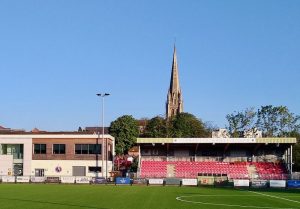
Meadowbank Stadium, the home ground of Dorking Wanderers Football Club, with the spire of St Martin's Church in the background (May 2021, looking south)

A new spectator stand that will “support the continued success” of Dorking Wanderers Football Club can stay after the club secured planning permission.

The Mole Valley club had already erected the four-row seating section in the northern corner of its Meadowbank Ground in Dorking, and it has been used since April 2025, giving spectators a better view of games. The planning application was submitted retrospectively and was granted at the February Development Management Committee meeting of Mole Valley District Council.

The tiered 100-seater stand will not increase the club’s overall capacity of 4,121, but will instead upgrade facilities for supporters who had previously been required to stand pitch-side. Objectors raised concerns about the potential for increased noise and disturbance, but planning officers said an October 2025 site visit found that existing sound-damping fencing and newly planted trees would mitigate such issues, and that the stand would not affect maximum attendances.

Mole Valley’s environmental health team said the stand would result in a negligible increase and no material change in terms of noise impacts on match days. Officers told the meeting that the new stand, which can be folded away as required, “would not increase spectator numbers, though the arrangements for spectators would differ to the current arrangement, with the three-tier seating area instead of ground-level standing.”

She added that the stand would enhance facilities at the established community ground and support the continued success of Dorking Wanderers. The application was approved without opposition after councillors were told the stand was already in place and that all objections raised had been addressed.

The approval follows a number of upgrades to the ground in recent years, including a new part-covered terrace at the western end approved in 2022, alongside LED floodlighting, additional turnstiles, TV facilities and an expanded fan zone. The western terrace was constructed after the club’s promotion to the National League in order to meet entry requirements.

Chris Caulfield LDRS


Photo: Meadowbank Stadium, the home ground of Dorking Wanderers Football Club, with the spire of St Martin’s Church in the background (May 2021, looking south). Credit: Mertbiol. Creative Commons CC0 1.0 Universal Public Domain Dedication.


Hazel Diana Tibbert, 86, of Longthorpe, Peterborough

Hazel Diana Tibbert, 86, of Longthorpe, Peterborough, passed away peacefully on 28th January 2026.

Hazel was born on 8th July 1939 in Surrey, growing up in New Malden. Following her marriage to Peter she had two children and took on roles at the Sunday School at Epsom Methodist Church. After moving to Bookham in 1975 she became heavily involved in 1st Bookham Scout Group, taking on many roles before moving to be Secretary for Leatherhead Scout District.

She is survived by her husband, two children, five grandchildren and three great grandchildren. She will be remembered for her kind and caring nature, looking to help others and her yummy cooking.

The Service will be held at Peterborough Crematorium on 2nd March 2026 at 10:30am. In lieu of flowers, the family requests donations be made to CROPS (Christian Options in Peterborough Schools), an organisation Hazel held close to her heart. https://rememberinghazel.wordpress.com/

.

.

.

.

.

.

.

.


Ewell’s Nescot graduates prove you don’t have to move away to go far

Nescot higher education students throw their caps in the air

Over 90 Nescot students gathered at Epsom Downs Racecourse on Friday for their Higher Education Graduation Ceremony, donning caps and gowns to celebrate their success with proud parents, families and tutors.

The event marked a major milestone for students who completed university-level qualifications while studying close to home, proving that higher education doesn’t have to mean moving away to succeed. For many, Nescot offered the best of both worlds: small, supportive classes with expert teaching, alongside the flexibility to continue living with family while balancing study with local work.

Nescot partners with several prestigious universities including Kingston University, the University of Greenwich, the University of West London, The Open University and the University of Arts London (UAL), offering degrees and other university-level qualifications across subjects including healthcare, performing arts, education, art and design, teaching, management and sports science. 

Guests of Honour on the day included the Mayor of Epsom & Ewell, Councillor Robert Leach, alongside Nescot honorary fellows Paul Nicholson, former professional darts player, and Jane Wilson-Howarth, world-renowned physician, author and zoologist.

Julie Kapsalis, CEO and Principal at Nescot said: “Our higher education graduation ceremony is one of my favourite days of the year. It’s exciting and joyful, but the overwhelming emotion is pride. Students, who’ve put their heart and soul into achieving their qualifications, feel so proud of themselves as they step on stage. Families, who’ve often been there for students every step of the way, burst with pride at what their son, daughter, brother or sister has achieved. There are usually a few tears too, some from our incredible staff who have watched these students persevere, learn and grow and are now waving them off to careers in their chosen fields. Whether you come to us aged 16 or 66, Nescot is a launchpad and I wish all our graduates every success with whatever comes next.”

Students from across the college were fully involved in the ceremony. Travel and tourism students welcomed guests on arrival, music students provided DJ sets and live music throughout, and performing arts students surprised the audience with an incredible singing flashmob. 

Guest of honour, Paul Nicholson, gave an inspiring speech, telling students: “What you’ve done to get here is remarkable – you should be extremely proud of yourselves. But by being here you haven’t finished; you’ve only just started. Your ambitions should never have an end date…with the skills and experience Nescot has given you, make our world a little bit better every day.”

Madiha Mahmood who studied for a BA (Hons) in Education Studies gave a speech at the ceremony, including a thank you to lecturers, tutors and support staff at Nescot: “Your dedication, patience, and belief in us, especially during challenging moments, has made a lasting difference. You have guided us, encouraged us, and pushed us to be the best versions of ourselves.  

Today is a celebration, but it is also a reminder. A reminder that it doesn’t matter how long it takes. It doesn’t matter if you fail at the start. It doesn’t matter how many people doubt you. If you keep going, you can change your whole story. Congratulations to every graduate here today, we did it!”  

No matter which qualification students are working towards, Nescot’s lecturers and tutors are dedicated to helping them reach their full potential. Staff are experienced tutors but also have substantial experience of working in the relevant industry too. Student satisfaction is high, with National Student Survey results showing the college is “significantly above the benchmark” across all 27 categories.

To find out more about studying at Nescot call 020 8394 3038, visit www.nescot.ac.uk or email adviceteam@nescot.ac.uk

NESCOT


Rosebery school Epsom puts Henry 8’s six on stage

Rosebery school six production

An Epsom school brought Broadway and the West End to Surrey last week with a successful run of the musical ‘Six: Teen Edition’.

The play, which is adapted from the international hit musical SIX by Toby Marlow and Lucy Moss, tells the story of the six wives of Henry VIII from their own perspective.

Pupils from Rosebery School, part of GLF Schools, performed at the Leatherhead Theatre from Wednesday 28 January to Friday 30 January 2026, this school-friendly 75-minute version brought history to life as a modern pop concert, filled with humour and bold storytelling.

The high-energy show saw the six Queens reclaim their narratives on stage, each sharing her unique perspective through dazzling numbers and dynamic choreography.

 The production celebrated resilience, individuality, and sisterhood with tremendous attitude and empowerment, earning enthusiastic applause from audiences across the run.

This ambitious endeavour united more than 140 students from Rosebery School in roles spanning performance, music, technical production, costume design, and leadership. 

Rehearsals began in early October, and the students demonstrated exceptional commitment, collaboration, and teamwork throughout the production.

The production featured a fully student-run backstage team handling stage management, wardrobe, makeup, and technical operations, as well as a talented student choreographer who shaped the Queens’ movement with creativity and confidence.

The Senior Prefect Team also took part, spearheading a fundraising campaign to support performing arts at Rosebery.

The production also showcased outstanding cross-curricular collaboration. Bespoke costumes were designed by A-Level fashion and textiles students, blending historical influences with contemporary flair. A-Level design and technology students engineered the show’s thrones, with music performed by members of the school band. 

David Lach, headteacher at Rosebery School, praised the joint efforts of everyone involved in the production. He said:

“This is a truly homemade production, and a distinctively Rosebery production too. From the thrones crafted by our students, to the choreography to the outfits worn, our students have well and truly put their stamp on Six. 

“The end result was a remarkable performance, blending education and history with contemporary flair and messages of resilience and independence. Huge congratulations to everyone who took part, and thank you to all our wider community who supported us.”

James Nicholson, interim CEO of GLF Schools, saw the production last week. He said: “I was hugely impressed with Rosebery’s production, which showed great talent, professionalism and imagination. Everyone who took part is a huge credit to the school, and the wider GLF family.”

Release on behalf of GLF schools

Photo:  Credit: Simon Drake Photography

.

.

.

.

.

.

.

.


Epsom celebrates Ukrainian culture at Festival of Friendship

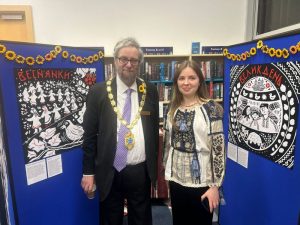
Mayor Leach with Sofia Ziatyk

The Festival of Friendship – Ukraine brought a vibrant celebration of Ukrainian culture to Epsom from 27 January to 1 February, uniting local organisations and residents in a week of art, music, film and hands-on creativity. Organised jointly by Epsom & Ewell Refugee Network, Epsom & Ewell Borough Council, Epsom Library and Epsom Picturehouse, the festival highlighted both the richness of Ukrainian traditions and the strong connection between the Ukrainian community and the community of Epsom and Ewell.

The festival was inspired by a cultural project created by Sofia Ziatyk for her final degree work at Chelsea College of Arts, for which she was awarded First Class Honours. Her project explored Ukrainian crafts, rituals and traditions through striking hand-drawn images, forming the heart of the exhibition that anchored the week’s programme.

The official launch event took place on 27 January at Epsom Library and was attended by senior figures from Surrey County Council, the Mayor of Epsom & Ewell, and around 100 members of the local community. The atmosphere was one of warmth and curiosity, as visitors gathered to view Sofia Ziatyk’s exhibition and to hear live performances by Ukrainians living in and around Epsom. Traditional music and poetry created a powerful sense of shared experience, giving audiences a glimpse into the traditions and artistic life of Ukraine.

Throughout the week, the library hosted two exhibitions: the display of Sofia Ziatyk’s drawings and Inna Kucherenko’s This Is Me: Recreating – a display of lost photographs and fragments of forgotten history recreated from memory using AI. A special treasure hunt for children invited them to search for pictures and symbols connected with Ukraine, helping younger residents engage with another culture in a fun and accessible way. This initiative proved popular with families and reinforced the festival’s emphasis on learning through participation.

Workshops formed a key part of the festival and were consistently well attended by the local community. Participants had the opportunity to try traditional embroidery and beading techniques, make wool dolls, explore paper cutting and experiment with block printing. These sessions offered more than creative activity; they provided space for conversation, storytelling and mutual understanding. Among those taking part was local MP Helen Maguire, whose presence underlined the importance of the festival as both a cultural and community-building event.

The festival also extended beyond the library into the world of cinema. Epsom Picturehouse, working in collaboration with TalentedU, screened three Ukrainian films: Rocky Road to Berlin, Sanatorium and Home for Ukraine. Audience demand exceeded expectations, with each screening so well attended that a second screen had to be opened. The films offered different perspectives on Ukrainian life and history, giving viewers insight into personal stories and national experiences rarely seen in mainstream cinema.

For many attendees, the festival provided an opportunity not only to discover Ukrainian traditions but also to meet Ukrainian neighbours and hear their voices directly through art and performance. The blend of visual exhibitions, live music and poetry, practical workshops and film created a programme appealing to a wide range of interests and ages, demonstrating how culture can act as a bridge between communities, fostering empathy and connection.

Speaking about the events, Councillor Clive Woodbridge, Chair of the Community and Wellbeing Committee, said: “The Festival of Friendship – Ukraine was a truly uplifting and inspiring occasion. It was incredibly moving to see Ukrainian guests of all ages demonstrate how much the creative basis of their culture means to them, whether that be through music, singing or poetry. It was particularly heart-warming to see the younger members of the Ukrainian community perform with such confidence and feeling.”

Organisers described the festival as a true partnership between local institutions and residents. By bringing together Epsom & Ewell Refugee Network, Epsom & Ewell Borough Council, Epsom Library and Epsom Picturehouse, the project showed what can be achieved through collaboration and shared purpose. The success of the events – from the packed workshops to the oversubscribed film screenings – reflected the enthusiasm of the Epsom community for meaningful cultural exchange.

Originating in the work of a young artist and carried forward by community organisations, the Festival of Friendship – Ukraine transformed everyday spaces into places of discovery and dialogue. For one week, Epsom became a window into Ukrainian culture, reminding all who attended that art and tradition can unite people across borders and experiences.

Nina Kaye

Mayor Leach with Sofia Ziatyk

Related reports:

Appeal to twin Epsom with Bucha in Ukraine

Festival of Friendship –Epsom and Ewell – Ukraine

From Ukraine to Epsom: How Music and Kindness Struck the Right Note

Music and dance for Ukraine at Epsom Methodist Church

Epsom MP leads cross-party delegation to Ukraine to examine impact of explosive weapons

Epsom Stands in Solidarity with Ukraine on War’s Third Anniversary


Epsom therapist seeks to lift our moods in gloomy weather

It feels like Epsom has hardly seen the sun lately, making winter feel longer and delaying the arrival of spring. This kind of dullness is often described as “typical British weather”, but at the time of writing some parts of the UK have seen rain fall every single day of the year so far.

When daylight is limited and the rain never seems to stop, it is entirely normal to feel low, tired, or less motivated than usual. The good news is that there are some simple, evidence-based steps that can help support your mood, even when the weather is working against you.

Here, Mark from Mind & Meaning Therapy shares three proven mental health tips to help give your mood a boost.

A small social check-in each day

We are social creatures, and even small social connections can improve our mood. These do not need to be big events or require a lot of energy. Simple ways to stay socially connected include sending a text to a friend, scheduling a short phone call, or asking someone to meet for a drink.

These small check-ins can significantly increase feelings of connection. Research shows that regular positive social interactions are linked to better mood, greater life satisfaction, and lower levels of stress.

Get outside and get some natural light

Even on grey days, daylight is far stronger than indoor lighting. Try to dodge the showers and get outside for 10–20 minutes once a day. A walk to the shops or a quick loop around the park is enough to help.

Natural light helps regulate the body clock, which in turn supports both mood and sleep. Studies have found that people who spend more time in daylight during the winter months are less likely to report depressive symptoms than those who remain indoors with low light exposure.

Do one thing to improve your sleep

Sleep and mood are closely linked, and improving sleep can make a noticeable difference to how you feel emotionally. Simple, proven steps include going to bed and waking up at roughly the same time each day, reducing smartphone use before bedtime (for example by leaving your phone in another room), keeping the bedroom cool while ensuring a warm bed, avoiding caffeine late in the afternoon, and leaving an hour or two between your last alcoholic drink and bedtime.

Better sleep helps the brain regulate emotions and reduces stress, making it easier to cope with everyday ups and downs.

What to do if low mood is persistent

If your mental health feels poor over a longer period, or if everyday life feels unusually overwhelming, speaking to a mental health professional can help. Support can make a real difference.

You can contact Mark at Mind & Meaning Therapy in Epsom to explore what may be behind how you are feeling and to find support that suits you.


Mind & Meaning – Therapy in Epsom & Online
mindandmeaning.co.uk
Email: hello@mindandmeaning.co.uk

Sponsored article.

Images: Pink umbrella in the rain, Erik Witsoe and The sun is shining through the clouds in the sky, Alireza Banijani Unsplash License


Old trains rolled back into service

The 17.54 from Hampton Court to London Waterloo on Thursday January 29 was the old retired train brought back into service (LDRS)

Old style 1980s rolling stock that had been taken out of service to much fanfare, including a huge ticket-only retirement party, are still being used to cover shortages across South Western Railways services.

The train operator made a big song and dance about the retirement of its old iconic Class 455 trains,  even charging £45 a ticket for its supposed last ever journey – with the money going to charity.

The LDRS understands old rolling stock is still being used to cover shortfall when the new trains are unable to get off the blocks, notably on the Hampton Court to Waterloo route.

In December last year some 9,000 enthusiasts tried to buy tickets for the 400 spaces on the celebrated final service from Waterloo. Demand was so high a second train was put on. The day was supposed to mark the last rides of the Class 455 as they were finally phased out and replaced with modern Class 701 Arterio – the ones with the odd half table ledges.

Thousands gathered to say their goodbyes to the ‘iconic’ SWR trains that have, and continue, to serve Surrey for decades. The ceremony for the ‘red train’ involved a nine-hour round trip from Waterloo across the SWR network.

South Western Railways celebrated with a story titled ‘Train enthusiasts bid farewell to iconic red trains after almost 43 years of service’ – except they are still in service. Among the passengers was social media train fan Francis Bourgeois.

South Western trains said the December ‘farewell’ event was to celebrate the life of the Class 455, first introduced in the 1980s ahead of their removal from timetabled services and that it was always planned to keep some of them back as a contingency.

A spokesperson for SWR said: “The Class 455 fleet of trains was withdrawn from our timetable at the end of 2025. A small number were retained for resilience purposes, to cover any eventuality that may affect the trains we use on our suburban network.”

Chris Caulfield LDRS

The 17.54 from Hampton Court to London Waterloo on Thursday January 29 was the old retired train brought back into service (LDRS)


Surrey Police precept rising

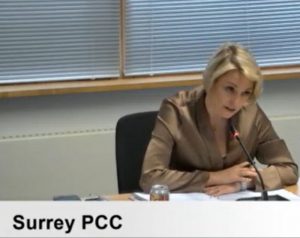
Surrey Police and Crime Officer, Lisa Townsend, at the Surrey Police and Crime panel. (Credit: Surrey County Council webcam)

The average household in Surrey could pay more than £350 a year towards policing after a £15 council tax hike was given the go-ahead. The police precept – the portion of council tax that funds Surrey Police – will rise from £338 to £352 a year for the average Band D home from April 2026, a 4.4 per cent increase from last year.

The rise was backed by the Surrey Police and Crime Panel on February 4, despite a sharp debate over whether residents can afford it. Police and Crime Commissioner (PCC) Lisa Townsend said the increase was needed to prevent services from deteriorating, warning that without the full rise people could face slower answers to 999 calls, longer waits for officers to attend incidents, and delays in forensic investigations.

“For every £1 on the precept, about £0.5 million goes into the Force,” she told the panel. “That equates to around 15 police staff or officers.” Ms Townsend said Surrey Police has become “one of the most improved forces in the country” in recent years, with more visible neighbourhood policing and better performance on crimes such as burglary and vehicle theft, but rising demand and increasing costs mean those improvements are at risk.

She said: “Improvements we are seeing today have only been possible because of previous decisions to increase the policing precept. Those decisions have allowed SP to invest in officers, staff, systems and technology that are now delivering results on the ground.” According to the PCC, on an average day the force handles almost 1,700 contacts from the public and sends vehicles to almost 250 incidents. Each day 216 crimes are recorded, 33 relate to violence against women and girls, 56 are assault, and armed response officers are called out 16 times a week.

She added: “The improvements achieved so far simply cannot be sustained” without further funding.

Some councillors challenged the move. Cllr Richard Wilson said many residents in his area are struggling to afford food, heating and rent, questioned whether it was the right time to increase bills, and asked whether Surrey, as a relatively low-crime county, could manage with a smaller force.

Kelvin Menon, chief finance officer for the PCC’s office, said Surrey receives one of the lowest levels of government grant in England, making it more reliant on council tax, and warned that cutting funding would mean difficult choices about which services to scale back. He argued that although Surrey may be a ‘low-crime’ area, it is the police keeping it that way, asking: “What level of crime are people willing to accept?” He added: “The level of poverty in the country is possibly not the fault of the police precept.”

The PCC repeatedly assured the panel that Surrey Police has already delivered about £90m in savings over the past decade. Even with the tax rise, the force still needs to find £5.5m in further savings this year and more in the years ahead, with an overspend of around £1m this year driven largely by overtime costs.

A public consultation found 57 per cent of respondents supported a £14 increase, the maximum allowed at the time. More than 2,400 people took part, although this was highlighted as a small proportion of Surrey’s 1.3m residents.

Emily Dalton LDRS

Surrey Police and Crime Officer, Lisa Townsend, at the Surrey Police and Crime panel. (Credit: Surrey County Council webcam)


Epsom and Ewell’s MP champion’s Friends of Horton Cemetery mission on “Time to Talk Day”

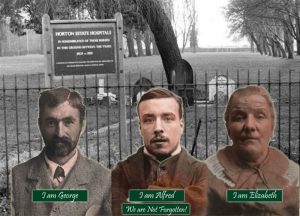
Horton Cemetery with former patients photos

On the edge of Epsom lies Horton Cemetery — quiet, overgrown and easy to miss. More than 9,000 people are buried there. Most never had headstones. Many never had visitors. Almost all were patients of the former Epsom Cluster of psychiatric hospitals, men and women whose final resting place reflects how society once viewed mental illness: something to be hidden, managed and ultimately forgotten.

In 2026, on Time to Talk Day, [5th February] Horton Cemetery forces us to ask an uncomfortable question: how far have we really come?

Horton Cemetery was created to serve what was once the largest cluster of psychiatric hospitals in Europe. At its height, the Epsom hospitals housed thousands of people with severe mental illness, learning disabilities and complex needs. Those who died without family or money were buried together anonymously. This was not ancient history. Horton Hospital closed in 1997. Some of those buried there lived into the late twentieth century — into the era many of us think of as modern and progressive.

Sites like Horton Cemetery challenge us to ask not just whether we are talking more openly about mental health, but whether we have truly confronted the stigma that shaped places like this, and whether we are prepared to protect the dignity of those still buried there.

Today, the cemetery has been sold to a private owner, with hopes of future development. Like many historic pauper burial sites nationwide, it sits under pressure from land values and planning decisions. I have urged the government not to grant exhumation licences at Horton Cemetery and to properly safeguard similar sites as places of remembrance, not obstacles to development. These are not empty plots. They are graves. How we treat them matters, because how we remember the dead reflects how we value the living.

Friends of Horton Cemetery, families, and Professor Alana Harris of King’s College London have worked tirelessly through initiatives such as the Lost Souls Project, which seeks to recover the names and stories of those buried anonymously in former asylum cemeteries. Their work is a quiet act of justice — restoring identity where the system erased it, and dignity where stigma once prevailed.

But local efforts can only go so far. That is why there are growing calls for a national memorial to those who lived and died in Britain’s historic mental health institutions. Such a memorial would not rewrite history, but it would acknowledge it, signifying that now is the time to talk.

Time to Talk Day is often framed around everyday conversations — a coffee and a chat, a poster on a train reminding us to check in on loved ones. These things matter. They help chip away at silence and shame. Horton Cemetery asks us to go further.

Epsom tells the story of how this country has treated mental illness. It was once the centre of a system built on isolation and control. Today, it hosts the headquarters of the Samaritans — an organisation rooted in compassion and listening. That journey should give us hope. But it also gives Epsom, and Horton, a responsibility. If we are serious about confronting mental health stigma, this is one of the places where that conversation must begin.

Because today, people with severe mental illness still face some of the deepest inequalities in our society. Recent data paints a stark picture: those facing the longest waits for mental health care are now waiting nearly two years — an average of 658 days — more than twice as long as people waiting for elective physical health treatment. The consequences are devastating. Adults living with severe mental illness, including bipolar disorder and schizophrenia, have a life expectancy 15 to 20 years lower than the general population.

These are not abstract statistics. They reflect lives cut short, needs unmet, and a system that still too often talks about people with severe mental illness rather than listening to them.

The Government now has the opportunity — and the responsibility — to show that mental health reform means more than warm words. Safeguarding sites like Horton and recognising the historic mistreatment of people with mental illness would be a powerful signal that dignity is not conditional and remembrance matters. I look forward to discussions with ministers about how we protect Horton Cemetery and similar sites across the country — not as relics of an uncomfortable past, but as places of reflection and learning.

Time to Talk Day should not only ask whether we are speaking openly. It should ask who we are hearing, whose voices are still missing, and whether, finally, we are willing to restore dignity to those whose voices were never heard.

Horton Cemetery is a quiet reminder that stigma thrives in silence. In 2026, are we ready to listen to what it is telling us?

Helen Maguire MP

For further information about the work of the charity The Friends of Horton Cemetery visit their website HERE

Image: Horton Cemetery with former patients photos

Related reports:

Epsom’s Horton Cemetery gets attention of two kinds

Portraits of pauper patients in Epsom’s Horton Cemetery, inspires artist

Petition to reclaim Horton Cemetery from property speculator

Local community gathered at Horton Cemetery

Another Horton Cemetery Life Story


Epsom and Ewell Borough Council claws back millions to balance books before government shakeup

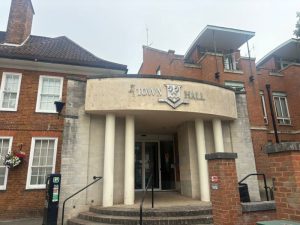
Epsom and Ewell Borough Council town hall. (Credit: Emily Dalton/ LDRS)

Epsom and Ewell Borough Council has closed a multi-million pound budget gap as it gets ready to be absorbed into a new unitary authority next year. 

Just months ago, Epsom and Ewell Borough Council was forecasting a £5m shortfall over three years, including a £1.9m gap for 2026/27 alone. But a combination of savings, streamlining services and additional government funding has reduced the projected deficit to just over half a million pounds across the same period.

Councillors were told at a Financial Strategy Advisory Group on January 30, the authority has now set a balanced budget for 2026/27. This is a legal requirement before local government reorganisation sees the borough council replaced by the new East Surrey unitary authority. Finance officers said the work ensures the new council will inherit a more stable financial position.

Bridging a £5m gap

Last July, the council warned of a growing funding gap driven by rising costs and pressure on services. Since then, a series of changes have reshaped the picture. These include:

  • New efficiency savings across services
  • The removal or reduction of some planned spending contributions
  • Additional funding through the government’s Fair Funding Review
  • Extra income linked to national waste and recycling reforms

Together, these changes have cut the medium-term deficit from £5.063 million to £579,000.

Although the government’s fair funding review has been slammed as a disaster across the rest of Surrey, Epsom and Ewell Borough Council is emerging as victor. According to the report, areas with high homelessness and temporary housing demand for those at risk of homelessness have received a 20 per cent increase in funds. Leading officers to label the boost as “favourable” compared to other councils across the country.

Officers told councillors the financial environment remains challenging, with continued pressure from temporary accommodation costs, agency staffing and inflation, but said the authority now has a clear plan to manage those risks.

Council tax rise still part of the plan

Despite the improved position, councillors have backed plans to increase council tax by 2.98 per cent next year, the maximum allowed without a local referendum. Officers said the increase, worth £6.93 per year for a Band D property, had always been built into long-term financial planning and was necessary to maintain stability.

Freezing council tax would leave a £291,000 hole in the budget that would need to be filled by service cuts.

Why balancing the books now matters

Although Epsom & Ewell will cease to exist as a standalone council after reorganisation, it is still required to pass on a clear and accurate financial position to the successor authority. Council documents state that producing a medium-term financial strategy remains essential so the incoming unitary council understands “future commitments as they stand.”

By closing much of the budget gap now, the borough council reduces the risk of the new authority inheriting an immediate financial crisis.

Ongoing pressures remain

The council warned that financial risks have not disappeared. Rising homelessness costs, inflation in contracts and uncertainty over income streams such as business rates continue to pose challenges.

However, councillors were told the authority has identified actions and savings to keep the budget balanced for the coming year. Final approval of the budget will be made by the Full Council on February 10.

Emily Dalton LDRS