Epsom and Ewell Times
10th September 2026

ISSN, LDRS and IMPRESS logos

Epsom Man’s 56-Mile Walk to Raise Mental Health Awareness

A local Epsom resident, Nicholas Mark Dulake, is set to complete an extraordinary challenge this Sunday, 23rd February 2025, as he concludes a 56-mile walk in aid of the mental health charity, Mind. Nicholas embarked on this challenge in January, aiming to raise funds and awareness about mental health issues and the stigma that surrounds them.

His journey is deeply personal. On 20th February 2024, Nicholas attempted to take his own life. His survival led to five weeks in a coma, multiple hospital transfers, and several life-saving operations, during which he was resuscitated four times. As a result of his ordeal, he now lives with a tracheostomy, which presents daily challenges with his breathing. However, rather than allowing his experience to define him negatively, he has chosen to channel his energy into raising awareness and supporting others struggling with their mental health.

To date, Nicholas has raised an incredible £3,705 in sponsorship for Mind. To mark the completion of his challenge, he has arranged a final walk around Epsom Downs and is inviting the local community to join him in showing solidarity for mental health awareness.

“I’ve had an overwhelming response from people who have read my story and reached out to tell me how much it has helped them,” Nicholas shared. Through his personal blog, Start Again Monday (www.startagainmonday.co.uk), he continues to share his journey and offer support to others facing similar struggles.

His mission is clear: to break down the stigma surrounding mental health and ensure that those who are suffering know they are not alone.

Local residents are encouraged to take part in the walk on Sunday to show their support for this important cause. For those who wish to donate, details can be found on Nicholas’s blog.

Nicholas is also keen to share his experiences in greater detail following the completion of his challenge. If you would like to learn more, follow his blog or reach out to him directly.

For those struggling with mental health issues, charities like Mind provide crucial support and resources. Nicholas’s story serves as a powerful reminder that recovery is possible and that support is always available.


Surrey Uni Zebrafish Study Links Blood Pressure Drug to Potential ADHD Treatment

Cartoo zebra fish in laboratory

A commonly prescribed blood pressure medication could offer a safer alternative for treating ADHD symptoms, according to a new study involving the University of Surrey. The findings suggest that amlodipine, a well-established drug for managing hypertension, may help reduce hyperactivity and impulsivity, key characteristics of attention-deficit/hyperactivity disorder (ADHD).

From Fish to Humans: Genetic Links in ADHD Research

The study, published in Neuropsychopharmacology, tested five potential drugs in rats genetically bred to exhibit ADHD-like symptoms. Of these, only amlodipine significantly reduced hyperactivity. To validate the findings, researchers turned to zebrafish (Danio rerio), an important model organism in neurological studies, which shares approximately 70% of its genes with humans. The zebrafish trials confirmed that amlodipine reduces hyperactivity and impulsivity, and for the first time, researchers confirmed that the drug crosses the blood-brain barrier, directly influencing brain function.

Further analysis of human genetic data reinforced the findings, showing that ADHD is linked to calcium channels in the brain—the same targets of amlodipine. A review of UK-wide patient records further strengthened the case, revealing that individuals taking amlodipine reported fewer mood swings and a lower tendency for risk-taking behaviour.

Dr Matthew Parker, co-author of the study from the University of Surrey, noted:
“Repurposing amlodipine, a well-established blood pressure medication, offers a promising and swift pathway to address ADHD symptoms. Our research indicates that, due to its existing approval and safety profile, amlodipine could be rapidly redeployed as a treatment option for ADHD, potentially providing relief to patients sooner than developing new medications.”

Why Zebrafish? The Genetic Overlap with Humans

Zebrafish have become an invaluable model in medical research due to their high genetic similarity with humans. In fact, they share a greater proportion of their genes with humans than many might expect. Some examples include:

  • Chimpanzees (~98-99%) – our closest genetic relatives.
  • Mice (~85%) – widely used in biomedical research.
  • Dogs (~84%) – studied for genetic diseases and neurological conditions.
  • Zebrafish (~70%) – a crucial model for studying brain function and drug effects.
  • Fruit flies (~60%) – key for understanding genetics and neurobiology.

Because of this genetic overlap, zebrafish are often used in drug discovery, particularly for neurological disorders. Their transparent embryos and rapid development allow scientists to study the effects of medications in real-time.

A Safer Alternative to Existing ADHD Medications?

Current ADHD treatments, such as stimulant medications, are effective but often come with significant side effects, including appetite loss, high blood pressure, headaches, and sleep disturbances. Additionally, stimulant medications carry a risk of misuse. Amlodipine, already widely prescribed and well-tolerated, could offer a new alternative with a safer profile.

With approximately 25% of ADHD patients not responding well to existing treatments, the need for new options is urgent. If further clinical trials confirm these findings, amlodipine could be repurposed as an ADHD treatment much faster than developing a brand-new drug, providing relief for patients sooner.

The study highlights the importance of genetic research in understanding brain disorders and demonstrates how unlikely connections—such as a heart medication treating a neurodevelopmental condition—can lead to breakthroughs in medical science.


Surrey sink-hole major incident

Aerial view Godstone sink hole

A significant sinkhole has emerged on Godstone High Street in Surrey, leading to evacuations and widespread disruptions. The incident began on Monday night when a section of the road collapsed, revealing a hole filled with water. By Tuesday morning, the sinkhole had expanded to approximately 20 metres in length and 6 metres in width.

Surrey County Council has declared the situation a major incident, with the Surrey Local Resilience Forum overseeing the response. Assistant Director for Safer Communities, Carl Bussey, stated that efforts are underway in collaboration with emergency services, utility companies, and Tandridge District Council to ensure public safety and restore essential services.

The sinkhole’s rapid expansion has led to the evacuation of around 30 properties within a 100-metre cordon. Residents have been advised to avoid the area while investigations and repairs are conducted. The incident has also resulted in the closure of Godstone High Street between Oxted Road and Bletchingley Road, with diversions in place for the foreseeable future.

The cause of the sinkhole is believed to be a burst water main. SES Water has confirmed that engineers are on-site working to repair the damaged pipe and restore water supplies to affected homes. In the interim, bottled water is being distributed to residents.

Local residents have expressed concerns over the incident. Some evacuees have reported hearing cracking sounds and witnessing the sinkhole’s growth overnight. One resident described the scene as resembling the aftermath of an earthquake, with buckled roads and pavements.

Authorities are urging the public to follow updates from Surrey County Council, Surrey Highways, and Tandridge District Council on social media for the latest information regarding the situation.


Epsom & Ewell Borough Council: Financial Crisis or Manageable Deficit?

Epsom and Ewell Town Hall with black and red UK pound signs

Epsom & Ewell Borough Council is under increasing scrutiny following the resignation of Councillor Alex Coley (Independent Ruxley Ward) from the ruling Residents’ Association (RA) group. His resignation letter cites a failure to address the “unhappy truths” about the borough’s finances and warns that 2026 could be the year the Council “runs out of money”. But is this a political exaggeration, or do the financial documents substantiate these concerns? A recent 78-page financial report prepared for councillors at the end of January 2025 sheds light on the borough’s economic standing.

Cllr Coley, who has served in various leadership capacities—including Vice Chair of Audit & Scrutiny and Chair of Community & Wellbeing—states that despite his efforts to get clarity on the financial trajectory of the Council, he has been left without clear answers. His conclusion? The Council is heading for a financial crunch by 2026 with no viable plan in place to prevent it.

The specific concerns he raises include:

  • Budget uncertainty for 2025/26 and beyond.
  • Financial instability of Council-owned properties, which could have wider implications for the borough’s assets and revenue streams.
  • A lack of a clear strategy to prevent the Council from exhausting its financial reserves.

The Financial Report: Does It Confirm the Warnings?

The Financial Strategy Advisory Group’s report (31 January 2025) is a key document shaping the Council’s budget. Several aspects of this report support Cllr Coley’s concerns:

1. A Deficit on the Horizon?

The Council’s 2025/26 budget is delicately balanced, but its long-term financial plan suggests a deficit by 2026/27, growing further in 2027/28:

Year Net Expenditure (£m) Expected Income (£m) Funding Shortfall (£m)
2025/26 10.27 10.27 0
2026/27 11.48 10.40 1.08
2027/28 12.24 10.72 1.52
2028/29 12.85 11.06 1.79

The projections indicate a potential funding crisis by 2026/27 unless new revenue streams or savings are identified.

2. Property and Investment Risks

  • The Council relies significantly on income from its commercial property portfolio, including investments through Epsom & Ewell Property Investment Company Ltd (EEPIC).
  • Rental income from commercial properties contributes £1.35m annually to the Council’s budget, but there are concerns over sustainability if market conditions shift.
  • In addition, £448,000 of this income is required to fund day-to-day services, raising questions about financial resilience.

3. Shrinking Government Support

  • The New Homes Bonus (NHB), which has provided additional income, is set to shrink dramatically from £498,000 in 2024/25 to just £6,000 in 2025/26.
  • The Government’s Core Spending Power allocation to Epsom & Ewell Borough Council is effectively stagnant at £10.2m, meaning the Council is not receiving inflation-adjusted increases.
  • The Fair Funding Review scheduled for 2026/27 could further reduce financial support for district councils like Epsom & Ewell.

4. Business Rates Volatility

  • The Council is highly dependent on business rates, yet its share of retained rates is forecast to fluctuate. In 2025/26, it expects to retain £1.8m, but past years have shown this figure is not guaranteed.
  • There is a £282,000 deficit in the business rates collection fund, a concern for future budgets.

Council Tax Increases as a Stopgap?

To address some financial pressures, the Council is proposing a 2.98% increase in Council Tax for 2025/26, which would:

  • Raise an extra £228,467.
  • Increase the average Band D household bill from £226.17 to £232.92 per year.
  • Be just below the government’s 3% cap before requiring a referendum.

However, even this increase will not be enough to fully close the funding gap beyond 2025/26.

What This Means for Residents

If Cllr Coley’s concerns hold true, services could be at risk in 2026 and beyond. Potential consequences include:

  • Cuts to local amenities, including cultural venues and community support.
  • Higher fees for Council services, as seen in the proposal to increase charges by 6% in 2025/26.
  • Reliance on reserves, which could lead to financial instability in the future.

Local Government Reorganisation: A Game-Changer?

Surrey County Council has been advocating for the creation of a unitary authority, which would absorb district and borough councils like EEBC. This move could:

  • Reduce Bureaucratic Costs – Eliminating multiple layers of government could generate savings.
  • Redistribute Resources – EEBC’s financial issues might be alleviated if its budget were merged with Surrey’s broader funding pool.
  • Dilute Local Control – While cost efficiencies could be achieved, decision-making might shift away from community-focused governance.

If reorganisation proceeds, EEBC’s financial crisis may become a moot point as budget planning is absorbed into the county-wide strategy. However, if the process is delayed or abandoned, the borough must act independently to avoid financial distress.

Conclusion: A Crisis in the Making?

While the Council insists its 2025/26 budget is balanced, the financial report confirms a growing structural deficit, aligning with Cllr Coley’s warnings. The reliance on property income, shrinking government support, and an increasing budget gap suggest that by 2026, tough financial choices will be inevitable.

Cllr Coley’s warnings are not entirely unfounded, but the financial data suggests that EEBC is not yet on the brink of insolvency. The real risk lies in the structural deficit and growing debt burden, which must be addressed through a combination of revenue generation, cost-cutting, and strategic planning.

The key question remains: What is the Council’s plan beyond short-term fixes? Without a comprehensive long-term strategy, the borough may indeed be heading towards the financial cliff that Cllr Coley has predicted.

Related reports:

Prominent Residents Association Councillor leaves the fold

Epsom & Ewell Full Council Meeting: Budget Approved Amid Debate


The Plot of Gunpowder in Worcester Park

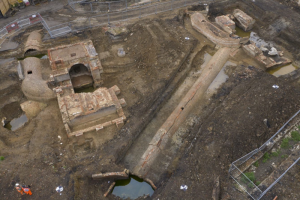
An aerial view of the main excavation looking south-west. It shows the two mill structures and the brick culverts that supplied the water to power them and returned it to the Hogsmill (photo courtesy of Cotswold Archaeology and Aerial-Cam).

Unearthing History: Worcester Park’s Gunpowder Mills Rediscovered

For centuries, the quiet banks of the Hogsmill River at Old Malden Lane, Worcester Park, concealed a remarkable piece of Surrey’s industrial past. The site of the former Worcester Park Gunpowder Mills, which operated in the 18th and 19th centuries, has recently been brought to light thanks to an unexpected archaeological discovery during a housing development project.

This fascinating chapter in local history was uncovered through the work of Surrey County Council’s Historic Environment Planning Team, led by Nigel Randall, in partnership with Cotswold Archaeology. Their findings tell a story of industrial ingenuity, featuring cutting-edge engineering by John Smeaton, the ‘father of civil engineering’, and contributions from the renowned inventor James Watt.

An Unexpected Discovery

The site, long designated as an Area of High Archaeological Potential, had been a haulage yard for the past 40 years before its purchase by developers Taylor Wimpey. On the surface, it appeared unremarkable—concrete hardstanding, rough ground, and piles of demolition rubble. An initial archaeological assessment in 2018 noted the high potential for remains from the gunpowder mills but suggested they would likely be fragmented due to modern disturbances.

When planning permission was granted, it included a condition requiring archaeological investigation before construction began. What followed was a revelation: instead of minor remains, archaeologists uncovered substantial structures, including two gunpowder ‘incorporating’ mills, a sophisticated water management system, and a network of subterranean brick-built culverts.

A Hub of Industrial Innovation

The Worcester Park Gunpowder Mills played a crucial role in Britain’s industrial heritage. Designed in 1771 by John Smeaton, the mills incorporated advanced engineering to power their operations. At the same time, James Watt was commissioned to develop a steam engine to pump increased volumes of water from the Hogsmill River—an indication of the site’s significance at the height of its production.

Balancing Preservation with Development

Faced with such an important discovery, a collaborative approach between the developers and archaeologists ensured that as much of the site as possible could be recorded and preserved. The layout of the housing development was adjusted to avoid major disruption to the mill structures. However, due to safety concerns, some elements had to be carefully dismantled, while others were preserved beneath the new development.

To document and share this discovery, Cotswold Archaeology created a detailed 3D model of one of the incorporating mills, alongside a short video that brings the site’s history to life. These resources provide a valuable opportunity for the public to engage with Surrey’s industrial past and appreciate the ingenuity of 18th-century engineering.

A Lesson in Hindsight

Reflecting on the excavation, the project’s lead archaeologist acknowledges that had an earlier trial trench evaluation been conducted, more could have been done to adapt the development to preserve these historical remains. However, the funding generated by the project enabled a comprehensive archaeological investigation, ensuring that this significant chapter in local history is documented and remembered.

For those interested in delving deeper into the story of Worcester Park’s gunpowder mills, further details and the 3D model can be accessed through Cotswold Archaeology’s online resources.

The uncovering of these historic structures serves as a reminder of the rich heritage hidden beneath our feet—and the importance of balancing development with the preservation of our past.

Acknowledgements: This article is based on research conducted by Nigel Randall of Surrey County Council’s Historic Environment Planning Team and the Surrey History Centre. We extend our thanks for their work and permission to share this story. For further information, contact heritageconsultations@surreycc.gov.uk.

Many many more fascinating stories from Surrey’s rich and varied heritage can be found on the Surrey History Centre website: https://www.exploringsurreyspast.org.uk/

Image: An aerial view of the main excavation looking south-west. It shows the two mill structures and the brick culverts that supplied the water to power them and returned it to the Hogsmill (photo courtesy of Cotswold Archaeology and Aerial-Cam).


Prominent Residents Association Councillor leaves the fold

Alex Coley

Councillor Alex Coley, who has represented Ruxley Ward in Ewell for seven years, has announced his resignation from the ruling Residents’ Association (RA) group, opting to serve as an Independent councillor. In his resignation letter addressed to RA Group Chair Hannah Dalton (RA Stoneleigh) on 11 February 2025, Cllr Coley expressed deep concerns about the council’s financial trajectory and his inability to support the proposed 2025/26 budget.

Throughout his tenure, Cllr Coley has been instrumental in advancing several key initiatives, including the Climate Change Action Plan, the Homelessness & Rough Sleeping Strategy, and the Community Safety Strategy. He also played a pivotal role in enhancing governance and transparency as Vice Chair of Audit & Scrutiny and of Standards & Constitution.

He also stood as an independent candidate in the last election for Surrey’s Police and Crime Commissioner receiving a highly creditable 16% (42,062) of the vote being just a little less than half the votes cast for the Conservative Party incumbent Lisa Townsend.

He was an independent minded Councillor on 22nd March 2023 when he walked out of a Full Council meeting protesting the ruling group’s pause progressing the Local Plan.

His recent efforts to promote Epsom & Ewell as a cultural and creative destination led him to uncover unsettling truths about the council’s finances and property management. “In my pursuit of this goal, I have uncovered many unhappy truths about our finances and the properties we own and operate for the benefit of our residents,” he stated in his letter.

Cllr Coley voiced apprehension about the council’s financial sustainability, indicating that he believes the council may face insolvency by 2026. “I have thought for some time that 2026 is the year this Council runs out of money,” he remarked, highlighting a lack of clarity and planning for this potential outcome.

The RA group has maintained majority control of Epsom and Ewell Borough Council since its formation in 1937. In the 2023 local elections, the RA secured 26 out of 35 seats, reaffirming its dominant position. Despite this longstanding control, the council has faced financial challenges. In February 2021, RA leader Eber Kington acknowledged a £5.8 million deficit, underscoring the fiscal difficulties confronting the council.

Cllr Coley’s departure from the RA group underscores the ongoing concerns about the council’s financial health and the need for transparent and effective fiscal management. As he transitions to an Independent role, he remains committed to collaborating with residents’ groups to serve the best interests of the community.

The council approved the 2025/26 budget. The budget includes a 2.98% increase in the borough council portion of council tax, equating to an additional £6.75 per year for the average Band D property. Despite this increase, Epsom & Ewell’s council tax remains below the average for Surrey.

Related reports:

Epsom & Ewell Full Council Meeting: Budget Approved Amid Debate

Planning or pantomime? Councillors press pause on Plan.


Epsom complainant changes Surrey police procedure

West Midlands police with body worn video cameras

Surrey Police Accepts Recommendation to Improve Retention of Body-Worn Video Evidence in Complaints

Surrey Police has agreed to implement a key recommendation from the Office of the Police and Crime Commissioner (OPCC) following a complaint by an Epsom resident regarding the retention of body-worn video (BWV) footage in police complaints.

The issue arose from an incident on 12 April 2023, when the complainant was filmed by a police officer, PC Scruby, during a meeting at his mother’s address. The complainant alleged that he was not informed he was being recorded until ten minutes into their interaction. He later raised concerns that the footage, which he believed could substantiate his account, had been deleted under Surrey Police’s 28-day evidence retention policy before it could be considered in his complaint.

After being dissatisfied with the response from Surrey Police’s Professional Standards Department (PSD) in October 2024, the complainant appealed to the OPCC. The OPCC conducted a review and found that Surrey Police’s service was acceptable in 18 out of 19 points raised in the complaint. However, it upheld one element of the complaint, determining that the complaint handler had failed to properly investigate the complainant’s concerns regarding what the officer had said during the meeting.

The review confirmed that the interaction had been recorded on BWV, but the footage was not secured by Surrey Police despite the complaint being made the following day on 13 April 2023. As a result, in line with the force’s BWV policy, the footage was automatically deleted from the system without being saved, rendering it unavailable as evidence in the complaint process.

In response to the case, the OPCC issued a recommendation that complaint handlers should secure any BWV footage providing evidence in a complaint against police at the earliest opportunity and, in any case, within 28 days of the alleged incident. This measure is aimed at closing a procedural gap that may hinder transparency and accountability in police investigations.

The complainant expressed frustration over the deletion of potentially valuable evidence, stating: “It is concerning that evidence which could clarify what happened during my interaction with the officer was destroyed. I welcome the OPCC’s recognition that procedural changes are needed.”

The OPCC’s report also addressed broader concerns raised in the complaint, including allegations of inadequate communication and procedural mishandling by PSD. While it found that Surrey Police’s actions were generally in line with existing procedures, the recommendation for improved evidence retention was seen as a necessary step to enhance the fairness and thoroughness of future complaint investigations.

Surrey Police confirmed that it accepted the recommendation in full on 20 January 2025, with the PSD now in the process of implementing the change.

This development highlights ongoing efforts to ensure greater accountability and efficiency in police complaint handling, reinforcing public trust in the system.

Image: West Midlands Police – CC BY-SA 2.0


Surrey County Council’s Climate Change Progress: Successes, Setbacks, and the Road Ahead

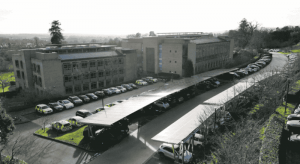
A Surrey County car park with solar panels n roofs.

Surrey County Council (SCC) has made notable strides in its efforts to combat climate change, cutting its own carbon emissions by 38% since 2019. However, despite significant progress, challenges remain, particularly in securing funding and maintaining the momentum needed to achieve net zero by 2030 as an organisation and 2050 for the wider county.

Achievements: Measurable Gains in Emissions Reductions

SCC’s third annual Climate Change Delivery Plan assessment highlights a range of accomplishments across various sectors. Since 2019, the county has:

  • Reduced its yearly emissions by 1 million tonnes.
  • Retrofitted nine council buildings and increased renewable energy capacity by 0.5 megawatts.
  • Converted nearly 100% of its streetlights to LEDs, achieving a 75% reduction in emissions from street lighting.
  • Upgraded over 3,000 homes to improve energy efficiency.
  • Installed 14MW of additional solar power—enough to power 9,000 households.
  • Planted 500,000 trees as part of a broader sustainability drive.
  • Offered 500 green skills courses to improve employment opportunities in eco-friendly industries.

These efforts have collectively helped residents, businesses, and the public sector save approximately £18 million per year in energy costs.

Challenges: Where Progress Falls Short

Despite these commendable efforts, SCC faces several hurdles that could derail its long-term sustainability plans. Funding constraints, supply chain issues, and the cost of implementing further green initiatives pose serious challenges. The county remains at risk of falling behind on its ambitious targets without additional investment and governmental support.

According to SCC’s Net Zero Progress Report, while the county remains generally on track, six out of its twelve borough and district councils have seen an increase in emissions. Moreover, transport remains a significant contributor to carbon output, with Surrey’s transport-related emissions making up 44% of the county’s total emissions—well above the national average of 29%. The report suggests that while cycling and walking rates have increased, they have not been sufficient to significantly reduce private vehicle use.

SCC’s building decarbonisation efforts also face hurdles, with only eight buildings retrofitted against an anticipated 36 by 2025. Similarly, while 39 low-carbon vehicles have been introduced into the council’s fleet, this falls well short of the 196 needed by 2025. The delay in installing EV charging points across council sites has further slowed fleet decarbonisation.

How Does SCC Compare to the Best in the Country?

One of the standout local authorities in climate action in the UK is Nottingham City Council, which has set a 2028 net-zero target—two years ahead of SCC’s goal. Nottingham has implemented a city-wide district heating system powered by waste incineration, extensive home insulation programmes, and one of the most ambitious municipal renewable energy strategies in the UK. Nottingham has also successfully expanded its cycle network and introduced a fleet of electric buses.

By comparison, Surrey’s efforts in public transport and active travel have been less effective. While SCC has made progress with bus electrification (with 16 ultra-low-emission vehicles introduced so far), it still lags behind other councils in deploying public transport solutions at scale. The lack of effective incentives to transition away from car dependency further limits its impact.

The Road Ahead: Priorities for SCC

SCC has outlined several key priorities for the next phase of its climate strategy:

  1. Expanding Renewable Energy: Increasing rooftop solar on council buildings and exploring carbon offsetting options where direct emissions reductions are challenging.
  2. Improving Home Energy Efficiency: Expanding the Warm Welcome initiative and continuing the Solar Together programme to help residents transition to renewable energy.
  3. Decarbonising Public Transport: Expanding electric vehicle charging infrastructure and investing in cleaner public transport solutions.
  4. Boosting Green Skills and Jobs: Strengthening partnerships with institutions like the University of Surrey to create more opportunities in the green economy.
  5. Protecting Nature and Climate Adaptation: Implementing flood resilience measures, developing biodiversity recovery plans, and ensuring green spaces are protected.
  6. Securing National Government Support: Lobbying for greater investment in local sustainability projects and improvements to infrastructure.

Surrey County Council has made strong initial progress in reducing emissions and implementing sustainability initiatives, but serious risks remain. Without significant additional funding and structural improvements—especially in transport, building efficiency, and energy production—there is a real possibility that SCC may fall short of its ambitious targets.

Ultimately, SCC’s ability to meet its targets will depend on whether it can maintain momentum in its existing initiatives while addressing the gaps that still threaten its long-term vision of a net-zero Surrey.

Related reports:

Epsom and Ewell adopts new Climate Action Plan

Climate motion sparks energetic debate in Council


Epsom & Ewell Full Council Meeting: Budget Approved Amid Debate

Town Hall

Epsom & Ewell Borough Council held a full council meeting on 11 February 2025, where key issues, including the approval of the council’s budget, the mayor’s upcoming engagements, and urgent council business, were discussed.

Mayor’s Address

The meeting opened with prayers led by Reverend Esther Holly Hunt, followed by an address from the Mayor, Cllr Steve Bridger (RA Stamford) who reflected on recent civic events, including the 50th anniversary of the Epsom and Ewell Talking Newspaper, the 100th anniversary of the Epsom Rotary Club, and the forthcoming 80th anniversary of VE Day. The Mayor also highlighted the upcoming Mayor’s Ball at Epsom College and the opening of the newly step-free Stoneleigh Station.

Budget Debate and Approval

A crucial part of the meeting was the discussion of the council’s budget for 2025-26. Councillor Neil Dallen (RA Town), Chair of the Strategy and Resources Committee, presented the budget, outlining the financial challenges faced by the borough, including homelessness, climate change policies, and government funding uncertainties.

The opposition groups, including the Liberal Democrats, Labour, and the Conservatives, expressed concerns over housing shortages, procurement processes, and local plan delays. Councillor Alison Kelly of the Liberal Democrat group (Stamford) criticised the council’s lack of action in addressing social housing and discretionary housing payments. Labour Councillor Kate Chinn (Court) challenged the proposed council tax increase, arguing that it would place an undue burden on residents. Meanwhile, the Conservatives called for greater scrutiny of council spending and planning decisions.

Many councillors who voted against the budget voiced concerns over the council’s financial priorities. Labour representatives particularly highlighted the continued reliance on temporary accommodation for those facing homelessness, arguing that the budget did not allocate enough funding to long-term housing solutions. The Liberal Democrats criticised the slow progress on infrastructure projects and the perceived lack of transparency in procurement decisions. The Conservative group, on the other hand, raised issues regarding planning enforcement and the handling of the local plan, arguing that the administration was failing to provide long-term economic sustainability for the borough.

Some opposition members also questioned the feasibility of the proposed budget adjustments, warning that future financial strains could lead to service reductions or higher tax burdens in the coming years. They argued that without a more robust financial plan, the council risked further instability, particularly in areas such as waste management, policing support, and community welfare.

Following the debate, the budget was put to a recorded vote and was approved, despite opposition from some eleven councillors including several Residents Association members against 23 who voted to pass the budget.

Withdrawal of Motion

A motion initially set for discussion was withdrawn at the request of Councillor Dallen. The motion pertained to potential by-election arrangements and was removed following guidance from Surrey County Council, which advised that any by-elections held before May 2026 would need to be conducted under existing boundaries.

Confidential Discussions

Towards the end of the meeting, the council entered a closed session to discuss an urgent item containing exempt information, leading to the exclusion of the press and public.

The meeting highlighted the ongoing challenges faced by Epsom & Ewell Borough Council as it works to balance financial constraints with the needs of local residents. The approval of the budget ensures continued funding for essential services, though the opposition has signalled that they will continue to scrutinise council decisions closely.


Epsom & Ewell Council not much in the red but too much in the pink!

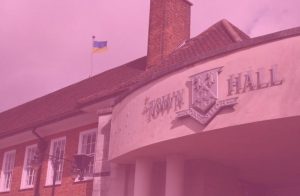
Epsom Town Hall in a pink hue

Governance Failing Exposed by External Audit Findings

The Audit and Scrutiny Committee of Epsom and Ewell Borough Council convened on 6th February 2025, where the External Audit Report by Grant Thornton ignited a heated debate over transparency, governance, and the Council’s use of confidential “pink papers”. Against the background of relative positive news on the accounts and budgets the meeting focussed on the culture of secrecy over decision-making.

The external auditors highlighted a culture of secrecy, citing too many decisions being taken in private and a lack of openness in decision-making. Opposition Councillors Kate Chinn, Chris Ames and James Lawrence strongly criticised the Council’s handling of transparency, while the Council’s leadership attempted to downplay the concerns, insisting that governance processes were robust.


The External Audit Report: A Damning Verdict on Transparency

The Grant Thornton audit report drew heavily on a Local Government Association (LGA) Peer Review, which criticised the Council’s decision-making culture. The report highlighted that:

  • “Too many decisions are being made under part two as a media management strategy.”
  • There is a “lack of transparency” in governance structures.
  • The Council needed to demonstrate clearer and more open decision-making.

These findings were met with stark reactions from opposition councillors, who argued that the Council was withholding information from elected members and the public.


Councillor Kate Chinn: “Stop the Navel-Gazing”

Before the committee formally discussed Item 4: External Audit, Councillor Kate Chinn (Labour, Court Ward) made a strong opening statement, focusing on the governance failures exposed by the auditors. She highlighted:

“Throughout their report, Grant Thornton noted the LGA report stating a culture of secrecy, noting a lack of transparency, stating a culture of secrecy described by members and that too many decisions are being held behind closed doors.”

Chinn criticised the ruling administration for focusing on internal restructuring, particularly the proposal to separate audit and scrutiny functions, rather than addressing substantive transparency issues. She stated:

“The ruling group has chosen to focus as a priority on the LGA recommendation to decouple audit and scrutiny. This is a decision that was already planted in council by the political leadership as a direction of travel, and I’m quite sure this is not a priority for the residents of Epsom and Ewell facing so many cost-of-living challenges.”

She urged the Council to move beyond constitutional tinkering and focus on supporting frontline services:

“In view of the move to a unitary authority, the Council should stop spending so much time on internal matters—no more tweaking the constitution or fiddling about with the functions of a soon-to-be different committee. It’s just become navel-gazing.”


Councillor Chris Ames Challenges “Pink Paper” Secrecy

The overuse of confidential “pink papers” (private reports) became a central point of contention, with Councillor Chris Ames (Labour Court) raising concerns over the council’s reliance on closed-door discussions.

He directly challenged the administration on whether they were deliberately using “part two” rules to restrict public access:

“Are you using part two to be a euphemism for going into a closed session? Because that’s not my understanding of what part two means….. There is a withheld report here. It’s Appendix Two. It’s quite clear. It says on both the public pack and in item 13.”

Chair Steve McCormick Chair of the Committee (RA Woodcote and Langley) defended the Council’s approach, arguing that some reports contained sensitive financial details:

“If you start to ask questions on that, then we will have to go into part two. We will have to basically stop the feed. And once we go into part two, we can’t come out.”

However, Ames remained sceptical, pressing for clear definitions of what was truly confidential and what was being unnecessarily withheld. He questioned whether decisions should be debated in secret unless absolutely necessary: “My question is, are we using the word Part Two consistently and accurately? Because it says item 13 and it says it’s on the public pack.”

Adding to this transparency row, Councillor Alex Coley (RA Ruxley) reported that he was unable to access the part two documents on the Council’s internal system, ModGov:

“I’m not actually able to access the part two items in ModGov. So that’s perhaps why there’s been some confusion. I can’t get to them.”


Councillor James Lawrence: “A Transparency Crisis”

In one of the most scathing criticisms of the evening, Councillor James Lawrence (LibDem  College Ward) said that his own experiences confirmed that the Council had a serious transparency problem. He declared:

“Quite frankly, my own experience of transparency at the Council is not great.”

He pointed to several key examples where he felt information was deliberately restricted:

  1. The Local Plan Process:  “I’ve struggled to be involved at all in the local plan process. The entire time I’ve been elected as a councillor, it has not come to a public committee until right before it went to full council……..If I’m struggling as a councillor, my goodness, what do we think residents are struggling to see?”
  2. The Town Hall Move (£7m Project):  “Still don’t really know why that was in part two……Then of course we had the well-prepared, very slick PR statement to go out after, to give the impression to residents that there were no problems, that it’s all clean sailing.”
  3. The Hook Road Arena Plan:  “I remember I saw that appear in the Local Plan documents, and I emailed in questions about that. Nothing. Nothing back.”
  4. Access to Audit Reports: “Having my own struggles to get hold of an audit report as a member of audit and scrutiny—it’s not a very good sign……Of all the people to be struggling to get hold of an audit report, it shouldn’t be someone on the Audit and Scrutiny Committee.”

Council’s Response: A Dismissive Attitude?

The Council’s official response to the audit findings did not acknowledge any fundamental governance failures. Instead, the Senior Leadership Team (SLT) issued a brief statement, saying: “SLT believes the Council is transparent in its reporting and through Committees.”

Lawrence ridiculed the response, stating: “My impression of the management response is essentially: Don’t care. It’s already transparent enough.”

A pragmatic attitude from Councillor Alan Williamson

Cllr Alan Williamson (RA West Ewell) struck a pragmatic tone, questioning whether the Council should devote energy to internal reforms when local government reorganisation was imminent. He remarked:

“Obviously, the one area where there is an element of concern from the external auditors is governance and transparency. Now, this is, in my mind, an issue of culture rather than performance…….. The whole focus of this Council is going to be the impending local government reorganisation, and to expect it to change its culture in the next year or two is somewhat implausible.”

He suggested that the Council’s priorities should shift towards ensuring stability during the transition rather than engaging in lengthy internal governance debates.


A Governance Crisis?

The Audit and Scrutiny Committee meeting exposed deep divisions within the Council. While external auditors and opposition councillors raised legitimate concerns about secrecy and accountability, the administration remained largely dismissive of these criticisms.

As Councillor Lawrence bluntly put it: “If I’m struggling as a councillor to access this information, what hope do our residents have?”

With local government reorganisation looming, the Council faces mounting pressure to reform its decision-making processes—but the meeting made clear that no immediate action is planned.

Whether transparency will improve or whether secrecy will remain embedded in the Council’s culture remains to be seen.

Related reports:

Seeing through transparency in Council Chamber

“Audit and Scrutiny” under scrutiny

Annual audit of Epsom and Ewell Borough Council


Elections Delayed as Surrey Faces Uncertain Future of Local Government Shake-Up

Surrey and Epsom Councils

Surrey residents will have to wait an extra year to vote in the county elections following the government’s decision to postpone the polls from May 2025 to May 2026. The delay comes as part of a sweeping local government reorganisation that will see the biggest structural shake-up in fifty years. However, concerns are mounting over the rushed timetable, the fate of council debts, and the financial burden that could fall on responsible local authorities.

Reorganisation at Speed

The government’s drive for local government reform is progressing at an accelerated pace, with councils required to submit interim proposals by 21 March 2025 and finalised plans by 9 May 2025. The reform aims to replace Surrey’s current two-tier system – where Surrey County Council oversees borough and district councils – with unitary authorities that will consolidate power at a higher level.

Under plans being considered, a directly elected mayor could manage strategic services such as policing, fire and rescue, health, and education. However, uncertainty remains over whether the new unitary system will feature a single authority covering all of Surrey’s 1.2 million residents or two to three smaller councils.

Who Pays the Price?

A key source of controversy is the issue of existing council debts, particularly in boroughs such as Woking, Spelthorne, and Runnymede, which have amassed a combined debt exceeding £3 billion. Woking has already declared effective bankruptcy, with Spelthorne and Runnymede under government scrutiny.

Local leaders across Surrey are voicing their objections to any attempt to spread the financial burden of these debts across councils that have maintained responsible fiscal management.

Councillor Richard Biggs, leader of Reigate and Banstead Borough Council, said: “Our view remains that plans should not support any restructuring of local government boundaries based on ‘redistributing’ the debt of other authorities.” His council, along with others, has worked to maintain financial stability while continuing to provide additional services beyond statutory requirements.

The Residents’ Association and Independents Group at Surrey County Council has strongly criticised the government’s approach, arguing that it is forcing through change with “zero funding” while suggesting that costs could be covered by selling off council-owned assets. Group leader Councillor Catherine Powell raised concerns that the government expects local authorities to fund reorganisation through “capital receipts,” which could mean selling buildings currently used to deliver essential services.

Opposition to Election Postponement

The Surrey Leaders Group, a forum representing the county’s borough and district councils, has already voiced opposition to the decision to delay elections. Chair of the group, Councillor Hannah Dalton, (RA Epsom and Ewell for Stoneleigh ward), warned that the proposed reorganisation could remove decision-making from local communities and lacks clarity on how existing debts will be handled.

“There is a real risk that new authorities will be set up to fail,” said Cllr Dalton, highlighting the potential for new unitary councils to inherit substantial financial liabilities without sufficient funding or support from the government.

A Distracted Local Government

Critics argue that the rapid timeline for reorganisation is an unwelcome distraction at a time when councils are struggling with increased demand for statutory services, including social care and housing. Concerns have also been raised about the practicalities of implementing a new financial IT system for the newly formed authorities, given that Surrey County Council’s recent system overhaul has been plagued with problems.

With just weeks to prepare draft proposals and a final deadline in early May, councils across Surrey are left scrambling to determine the best way forward. The government’s insistence on a rapid restructuring without clear funding commitments has left many questioning whether the changes will deliver better services—or simply create further financial and administrative chaos.

For now, Surrey residents must wait for further clarity on how their local government will be reshaped, and more crucially, who will bear the cost of these sweeping changes.

Related reports:

Political furies over Surrey election postponement

Surrey County Council election delay stirring up a storm

What might local government reorganisation mean for Epsom and Ewell?

All change! Epsom and Ewell Borough Council approaching its final stop?

Surrey’s Conservative leader wants to postpone May’s poll reckoning

Tiers to be shed if Epsom and Ewell loses its Borough Council?


Citizens Advice Epsom & Ewell Delivers Crucial Support Amid Rising Cost-of-Living Pressures

Montage CAB office and an advice session and banner

Citizens Advice Epsom & Ewell (CAEE) has revealed the scale of its impact over the past year, with thousands of local residents receiving support on a range of pressing financial and social issues. From benefits and debt advice to housing support, the charity continues to be a lifeline for many struggling to make ends meet.

A Year of Helping the Community

Figures released by CAEE highlight just how vital their work has been. In 2024 alone, the organisation:

  • Assisted 3,394 people with 10,233 issues
  • Made 12,406 client and third-party contacts
  • Secured £1,022,934 in additional income for clients

For January 2025, the demand for support has surged even further:

  • 560 people received help in just one month
  • 1,036 issues were handled
  • £159,670 in extra income was secured for struggling households

The most common concerns among residents remain benefits, tax credits, housing, and debt, reflecting the ongoing financial pressures facing families in Epsom & Ewell.

Expanding Outreach in 2025

With the rising cost of living continuing to bite, CAEE is set to expand its energy outreach programme to better reach underrepresented communities. The initiative aims to provide guidance on energy bills, debt support, benefit checks, and energy-saving advice, ensuring that vulnerable individuals can access the help they need.

The charity is also distributing funds from the Household Support Fund until March 2025, offering financial aid to those on low incomes. Residents struggling with essential costs are urged to get in touch before the deadline.

Making a Real Difference

Beyond statistics, the impact of Citizens Advice is best illustrated through the experiences of those they have helped. One such case involved a vulnerable client living in unsuitable accommodation, battling rent arrears and struggling with multiple health concerns.

With extensive support from CAEE, she was able to:

  • Repay her rent arrears
  • Secure a move to a more suitable ground-floor flat
  • Receive medical and financial assistance
  • Successfully challenge a dispute through the Energy Ombudsman

This intervention not only improved her living conditions but also stabilised her finances, demonstrating the charity’s commitment to holistic, long-term support.

Financial and Social Impact

CAEE’s work delivers significant savings to public services, including:

  • £186,802 in NHS savings by reducing demand on mental health and GP services
  • £550,131 in savings for the Department for Work and Pensions by helping people stay in work
  • £326,078 saved for housing providers by preventing evictions

In total, their advice and interventions generated a staggering £3.85 million in value for the local economy.

Looking Ahead: Advocacy and Research in 2025

Beyond direct support, CAEE also plays a key role in influencing policy and addressing systemic issues. In 2025, they will continue to campaign on critical concerns such as:

  • The cost-of-living crisis
  • Housing shortages and homelessness prevention
  • Debt, including rising council tax arrears
  • Access to health and disability benefits

A key event on the horizon is Citizens Advice Data Insights, taking place on 25th February 2025, where experts will discuss how accumulated debt is preventing people from rebuilding their lives.

Support Your Local Citizens Advice

With demand for services higher than ever, Citizens Advice Epsom & Ewell is calling for public support. Running the service costs over £100 per client per year, and donations play a crucial role in ensuring free advice remains available.

Residents can contribute by donating as little as £10 a month, helping to sustain a vital service that continues to transform lives across the borough.

For free, confidential advice, visit CAEE at The Old Town Hall, The Parade, Epsom, or call 0808 278 7963.