

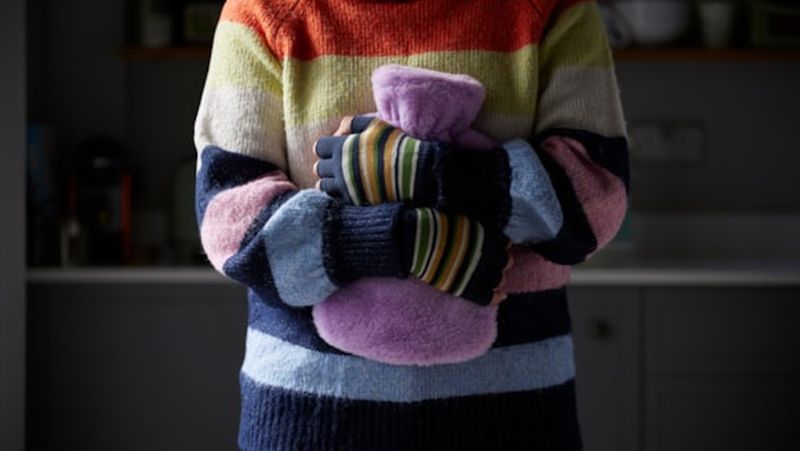
Do you have the bottle for these cold nights?


With the UK in the midst of a bitter cold snap, many of us are reaching for hot water bottles to help keep warm during the day and through the night.
While hot water bottles are an effective and affordable way to keep warm, in 2024 nearly 1,000 people were admitted to burn units in England and Wales following hot water bottle accidents.
Here, the team at Health and Safety training experts High Speed Training share some practical advice on how to use hot water bottles safely.
Dr Richard Anderson, Head of Learning and Development at High Speed Training, said: “Hot water bottles are a fantastic way to beat the chill, and with energy costs remaining a concern, they are more popular than ever. However, like any household item that uses high heat, they aren’t without risk.”
Check the age
It is recommended that hot water bottles are replaced every two years. The rubber used in their construction can deteriorate over time, making bottles more likely to split or leak.
You can check when a hot water bottle was made by looking for a flower-shaped symbol, known as a ‘daisy wheel’, embossed onto the neck or body of the bottle. The number in the centre shows the year of manufacture, while the twelve surrounding segments represent the months of the year. The number of segments with dots indicates the month the bottle was made.
For example, if the symbol has 25 in the middle and dots in the first six segments, the bottle was manufactured in June 2025. If a segment contains more than one dot, the number of dots in the final filled segment shows which week of the month the bottle was produced.
How to fill and use your hot water bottle safely
Dr Anderson added: “Before filling a hot water bottle, always check it for visible damage or signs of wear and tear. Avoid filling the bottle with boiling water, as this can weaken the internal seams. Allow the water to cool slightly before filling.
“It’s also advisable to only fill the bottle to around two-thirds full. Expel any remaining air before tightening the stopper securely.”
He also advised always using a cover on a hot water bottle to reduce the risk of contact burns, and never sitting or lying on one, as this increases the likelihood of the bottle failing. “When not in use, empty the bottle completely and store it with the stopper removed in a cool, dry place, such as a cupboard.”
Copy provided by High Speed Training