

Epsom author shares personal epilepsy journey amid town’s historic link to the condition


An Epsom author has published a deeply personal account of living with epilepsy, adding a modern voice to a local story that stretches back more than a century.
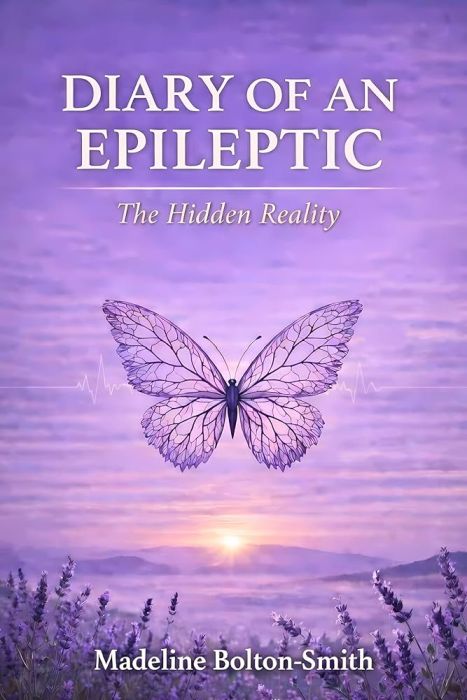
Madeline Bolton-Smith, who lives in Epsom and works as a probate assistant at a family-run accountancy firm in nearby Fetcham, has written Diary of an Epileptic, a book describing her experience of diagnosis, treatment and life with the neurological condition.
Epilepsy affects around one in every hundred people in the UK, yet many newly diagnosed patients still feel isolated when confronting the condition for the first time. Bolton-Smith says her motivation for writing the book was to provide reassurance and solidarity to others navigating similar uncertainty.
“When I was diagnosed with epilepsy, I often felt very alone,” she explains. “Writing the book was my way of saying to others in that position that their feelings are valid and that they are not facing it on their own.”
Her account follows the realities of living with epilepsy from the moment of diagnosis through investigative medical procedures, struggles to secure treatment funding and undergoing Laser Interstitial Thermal Therapy (LITT) surgery. When the surgery did not bring the hoped-for outcome, she had to confront the challenge of adapting to life with epilepsy once again.
The book reflects openly on the emotional impact of the condition – fear, frustration and isolation – but also the resilience required to continue forward. Bolton-Smith hopes the honesty of her story will help readers and families dealing with epilepsy feel less alone.
Epsom’s historical link to epilepsy
Bolton-Smith’s story also resonates with a significant but little-known chapter of local history.
In the early twentieth century Epsom was home to the Ewell Epileptic Colony, later known as St Ebba’s Hospital. Established during a period when epilepsy was poorly understood and widely feared, the colony reflected the prevailing belief that people with the condition should live apart from mainstream society.
Opened in 1903, the colony formed part of the wider Horton Estate of hospitals built by the London County Council to treat mental illness and neurological disorders. Hundreds of patients with epilepsy lived and worked there in what was intended to be a self-contained rural community.
Residents grew food, maintained workshops and followed strict daily routines designed to create stability for those prone to seizures. While some patients experienced relative independence compared with traditional asylum conditions, the colony nevertheless represented an era when epilepsy carried heavy stigma and separation from ordinary life was seen as necessary.
The institution eventually became St Ebba’s Hospital and continued operating for decades before closing in the late twentieth century as attitudes and treatments changed.
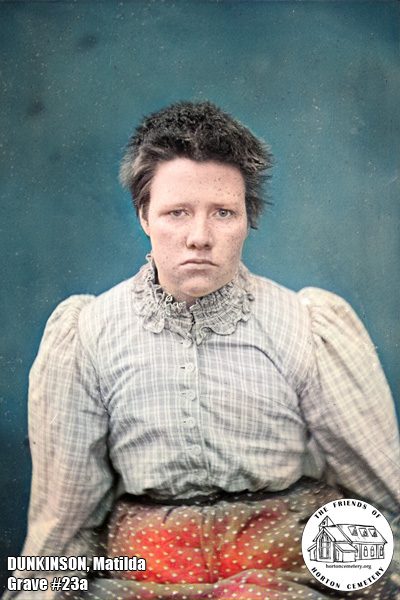
Remembering the patients buried in Horton Cemetery
The lives of many former residents of the Horton hospitals, including St Ebba’s, are remembered today through the work of the Friends of Horton Cemetery. The charity seeks to restore this historic Epsom cemetery, the largest asylum cemetery in Europe, to community ownership and researches the lives of those buried there.
More than 9,000 patients from the surrounding hospitals were laid to rest in the cemetery, many with little recognition during their lifetimes. The charity’s website, hortoncemetery.org, shares their stories.
The contrast between that earlier era and the present day illustrates how far attitudes toward epilepsy have progressed. Modern medicine emphasises treatment, independence and inclusion rather than segregation.
Changing understanding of epilepsy
Medical knowledge of epilepsy has advanced dramatically over the past century. Once widely misunderstood and surrounded by superstition, epilepsy is now recognised as a neurological condition caused by abnormal electrical activity in the brain.
Treatments today range from anti-seizure medications to specialised surgical procedures such as the LITT therapy Bolton-Smith underwent. Support networks, advocacy groups and greater public awareness have also helped reduce stigma.
Yet challenges remain, particularly for those newly diagnosed. Bolton-Smith believes that sharing lived experiences can play a vital role in helping others understand the realities of the condition.
Through Diary of an Epileptic, she hopes to contribute to that wider conversation while offering practical reassurance to readers facing similar circumstances.
Diary of an Epileptic: The Hidden Reality is available online.

Photo: The author on Epsom Common