

Dorking’s role as a refuge from Nazi oppression


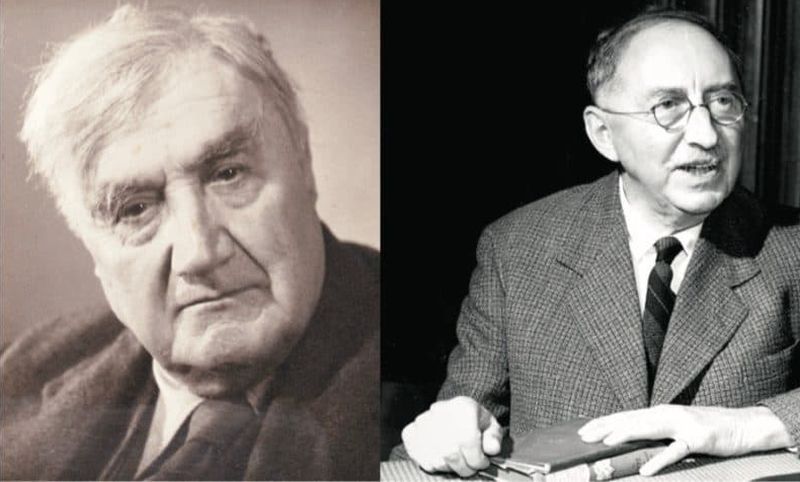
Papers documenting how novelist E.M. Forster and composer Ralph Vaughan Williams helped refugees fleeing Nazi persecution find shelter in the Surrey town of Dorking are to be made fully accessible online for the first time, through a new project led by the University of Surrey and Dorking Museum.
The Dorking and District Refugee Committee was established in 1938 to support people escaping Nazi oppression in central Europe. Operating throughout the Second World War, the committee found housing, work and medical care for refugees, and later helped Dorking’s German and Czech nationals apply to Home Office tribunals to avoid internment as enemy aliens. Its records – held by Dorking Museum – are of national and international significance, containing individual stories of displacement, solidarity and community response during one of the darkest periods in modern history.
The project, Accessing Refugee History in Surrey, is funded by the Community Foundation for Surrey and led by Professor Constance Bantman and Dr Beth Palmer from the University of Surrey’s School of Arts, Humanities and Creative Industries. It will create a new web-based archive, making the committee’s records fully searchable and publicly available, alongside teaching and support resources for schools, researchers and community groups. A launch event and other activities to publicise this significant resource will take place later in 2026.
Among the stories contained in the records is that of Sir Erich Reich, who arrived in Britain on a Kindertransport in 1939, aged four. With his older brothers sent elsewhere, Vaughan Williams personally brought the young boy to Burchett House in Dorking – a hostel provided rent-free by the Duke of Newcastle – where refugees received support from the committee. Reich went on to become a successful entrepreneur and philanthropist, and credited Dorking with saving his life.
The committee’s work extended beyond housing. When war was declared in 1939, Dorking’s German nationals faced internment. The committee intervened on behalf of individuals, including Erika Schmidt-Landry, a former journalist whose husband had been interned on the Isle of Man, and who faced the prospect of placing her three children in an orphanage. Forster and Vaughan Williams took up her case directly.
Professor Constance Bantman, Head of Literature and Languages and Professor of French History at the University of Surrey, said
“These records tell the stories of people who were forced to leave everything behind, and of a community that chose to help them. Making this archive accessible means those stories – of both the refugees and the people of Dorking who supported them – can be understood and learned from by a much wider audience. At a time when questions about refuge and displacement remain urgent, this history has a great deal to teach us.”
Dr Beth Palmer, Associate Professor in English Literature at the University of Surrey, said:
“The Dorking Refugee Committee papers are a remarkable collection. They document not just the administrative work of the committee but the human detail – the individual cases, the letters, the decisions that changed lives. Our aim is to make all of this available to researchers, educators and the public, and to provide resources that help people engage with this important chapter of Surrey’s history.”
Kathy Atherton, Chair and exhibitions, Dorking Museum, said:
“The papers of the Dorking Refugee Committee are one of the most popularly requested by researchers in the archive. Covering the period from 1938 into the post-war period and immensely detailed, the papers are of national interest in documenting the refugee experience during these years.
“We are very pleased to be working with the team from the University of Surrey to bring these papers to a wider audience whilst at the same time protecting the originals from excessive handling.”
The project will also produce teaching resources designed to support engagement with the collection, making the archive a practical tool for education alongside its research value.
Image: R Vaugan-Williams and EM Forster