

Epsom’s empty and second homes face local tax increases


Epsom & Ewell Borough Council has approved a 2.98% increase in its share of Council Tax for 2026/27, alongside new measures to penalise empty properties and second homes, but not without some questioning from councillors over the purpose and clarity of the changes. (Strategy and Resources Committee 27th January.) The increase equates to £6.93 a year for a Band D household, keeping within the government’s referendum limit and adding around 58p per month to bills. While modest in isolation, the rise sits within a wider package aimed at strengthening council finances and aligning local policy with other Surrey authorities ahead of the planned move to unitary government.
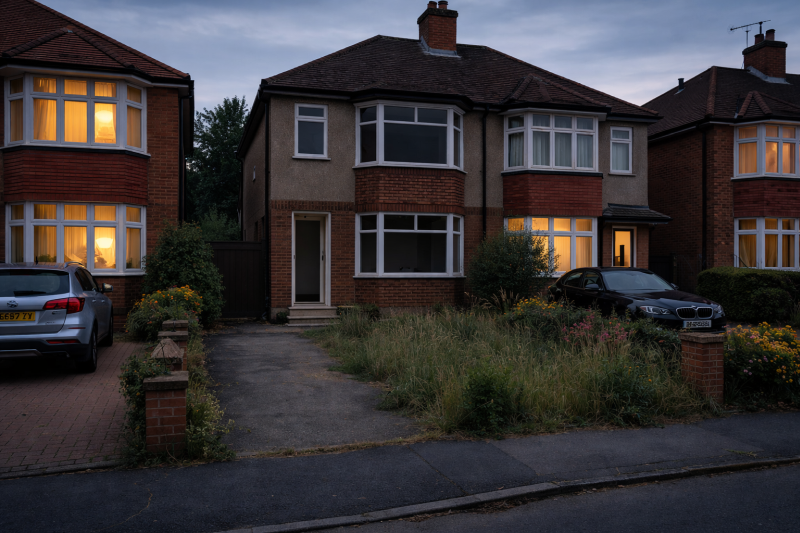
The more contentious element of the decision was the tightening of rules on empty homes and second properties. From April 2026, owners of empty and unfurnished properties will no longer receive a one-month exemption and will face a 100% Council Tax premium after one year, effectively doubling their bill. From April 2027, the same 100% premium will apply to second homes. Introducing the policy, Committee Chair Cllr Neil Dallen (RA Town) said: “It’s something that the rest of the boroughs and districts in Surrey are already doing… coming up to unitary it’s now proposed that we do do it and align ourselves ready for the unity proposal.”
Although the measures were approved unanimously, several councillors probed the reasoning and operation of the policy. Cllr Chris Ames (Labour Court) questioned whether the changes were primarily about raising income or achieving social outcomes such as reducing homelessness and increasing housing supply, asking whether the Council was “trying to achieve any of those things, or is it simply about… increasing the income that we get.” In response, Cllr Dallen indicated the policy served both purposes, noting that while the number of empty homes locally is limited, “every property is another family home,” and officers confirmed that bringing homes back into use remains an objective.
Cllr James Lawrence (LibDem College) also raised detailed questions about how the policy would work in practice, particularly the rules around when a property is considered occupied and how time limits on empty status are reset. He highlighted potential ambiguity in the wording of the policy documents, suggesting that the distinction between a property being “substantially furnished” and actually occupied could lead to confusion. While confirming his support for the policy in principle, he sought reassurance that the expected income—estimated at around £29,000—would exceed the administrative cost of implementing the scheme.
The discussion reflected a broader concern among some members about balancing financial necessity with fairness and clarity. While there was no outright opposition to the proposals, the debate revealed differing emphases: some councillors focused on revenue generation and alignment with Surrey-wide practice, while others stressed the importance of ensuring the policy delivers genuine housing benefits and is clearly understood by residents.
In the end, the committee approved the recommendations without dissent, confirming both the Council Tax increase and the new premiums on empty and second homes as part of the authority’s budget-setting process for the coming financial year.